Key facts
- At least three coal plants receiving Department of Energy grants have repeatedly violated environmental regulations.
- The Trump administration has provided federal funding to extend the lifespan of these plants.
- Cumberland Fossil Plant in Tennessee, Grand River Energy Center in Oklahoma, and Roxboro Steam Electric Plant in North Carolina are among the funded facilities with violation histories.
- Environmental groups and experts criticize the funding, viewing it as a setback for clean energy and public health.
- The administration's actions are seen as consistent with a broader effort to relax environmental enforcement and support fossil fuels.
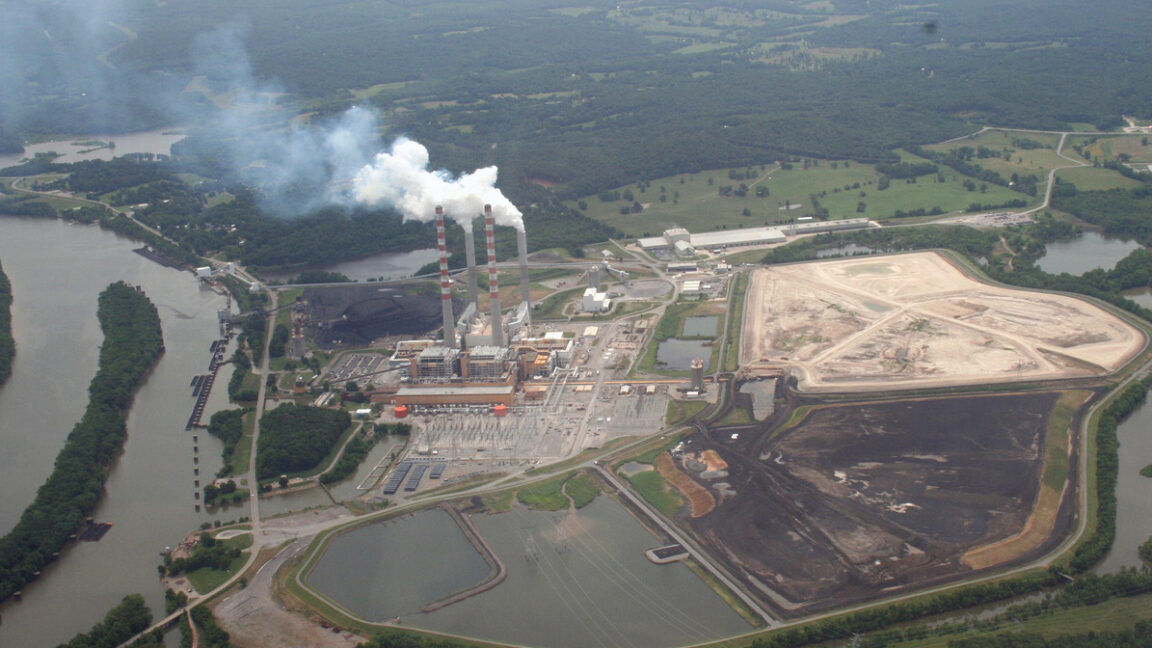
The Trump administration is directing federal funds toward coal plants that have a history of environmental violations, a move that environmental advocates and experts argue is a step backward for clean energy and public health. At least three such plants—Cumberland Fossil Plant in Tennessee, Grand River Energy Center in Oklahoma, and Roxboro Steam Electric Plant in North Carolina—are slated to receive Department of Energy grants despite repeated citations for violating the Clean Air Act, the Clean Water Act, or both.
Cumberland, which had been scheduled for closure by 2028, is now set to continue operating with federal support. This decision followed the Trump administration's replacement of Tennessee Valley Authority (TVA) board members, leading the agency to reverse its retirement plan. Environmental groups like Appalachian Voices and the Southern Alliance for Clean Energy have condemned the investment, stating it hinders progress toward clean energy and exacerbates climate change and health issues.
Experts, such as Courtney Bernhardt of the Environmental Integrity Project, note that funding plants with compliance issues aligns with the administration's broader agenda to relax environmental regulations and support the fossil fuel industry. An Energy Department spokesperson defended the investments, stating they are intended to ensure reliable power generation and grid resilience.
These plants have a documented record of environmental infractions. Cumberland has faced citations for air pollution and wastewater violations. Grand River Energy Center is facing a proposed fine for failing to test for particulate matter and has exceeded wastewater pollution limits. Roxboro has been cited for reporting issues and exceeding wastewater limits, and its operator, Duke Energy, was previously required to excavate millions of tons of coal ash due to leaks contaminating groundwater.
Critics argue that extending the life of these aging, polluting facilities ignores the health impacts on nearby communities and the long-term consequences of continued reliance on fossil fuels. Studies have linked coal plant pollution to premature deaths, with impacts extending hundreds of miles.