Key facts
- South Korea's ruling Democratic Party won 12 of 16 major local races in elections held Wednesday.
- The opposition conservative incumbent Oh Se-hoon won another term as Seoul mayor.
- The election saw 61% turnout, the highest for a local election in 30 years.
- President Lee Jae Myung's approval rating is around 60% one year into his term.
- Ballot paper shortages were reported at several polling stations in Seoul.
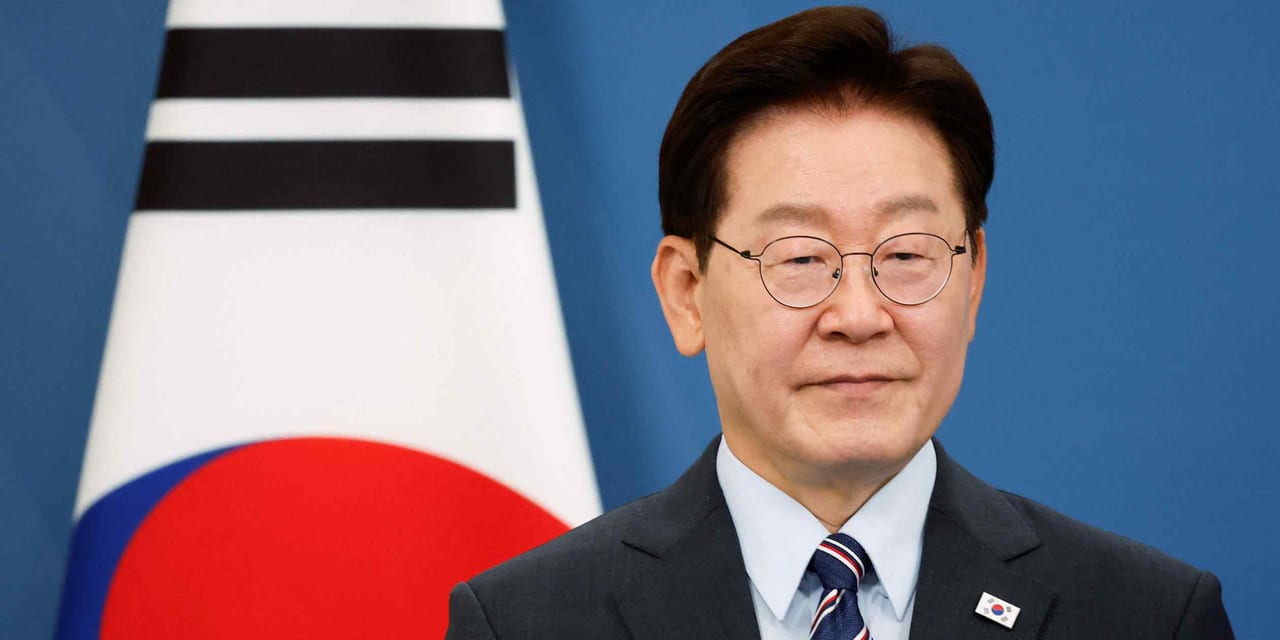
South Korean President Lee Jae Myung's ruling Democratic Party achieved a significant victory in nationwide local elections, securing 12 out of 16 mayoral and provincial contests. This outcome strengthens Lee's political standing a year into his presidency. However, the party experienced a notable setback with the loss of the Seoul mayor's office to incumbent conservative candidate Oh Se-hoon.
The election saw a high turnout of 61%, the highest in three decades, indicating strong public engagement. While the Democratic Party's overall performance suggests continued nationwide support, buoyed by robust exports and a stock market rally driven by the AI chip boom, the loss of Seoul tempered the celebration. Oh Se-hoon's victory was partly attributed to voter dissatisfaction with the Lee government's housing policies aimed at cooling the capital's market.
Democratic Party leader Jung Chung-rae acknowledged the win nationwide but expressed regret over losing Seoul, while Oh Se-hoon stated that voters upheld democratic checks and balances. The election also included 14 parliamentary by-elections. A controversy arose due to ballot paper shortages at several Seoul polling stations, leading to voter frustration, protests, and extended voting hours at affected sites.
President Lee Jae Myung, who entered his second year in office, maintains approval ratings around 60%, the second-highest for a president at the one-year mark since 1987. His governing style is characterized by increased transparency, including live-streamed cabinet meetings and frequent social media use to communicate policy and opinions directly to citizens, though this has drawn criticism for being unfiltered. The benchmark KOSPI stock index has surged to record highs, benefiting from the global AI infrastructure boom, though rising home prices in Seoul present a challenge to one of Lee's key campaign promises.