Key facts
- Rep. Debbie Wasserman Schultz is facing backlash over her decision to run in a newly redrawn, plurality-Black congressional district.
House Minority Leader Hakeem Jeffries declined to endorse Rep. Debbie Wasserman Schultz's re-election bid amid backlash over her decision to run in a newly redrawn, plurality-Black congressional district. Jeffries cited "sensitivities of the moment" and concerns about "Black political representation."
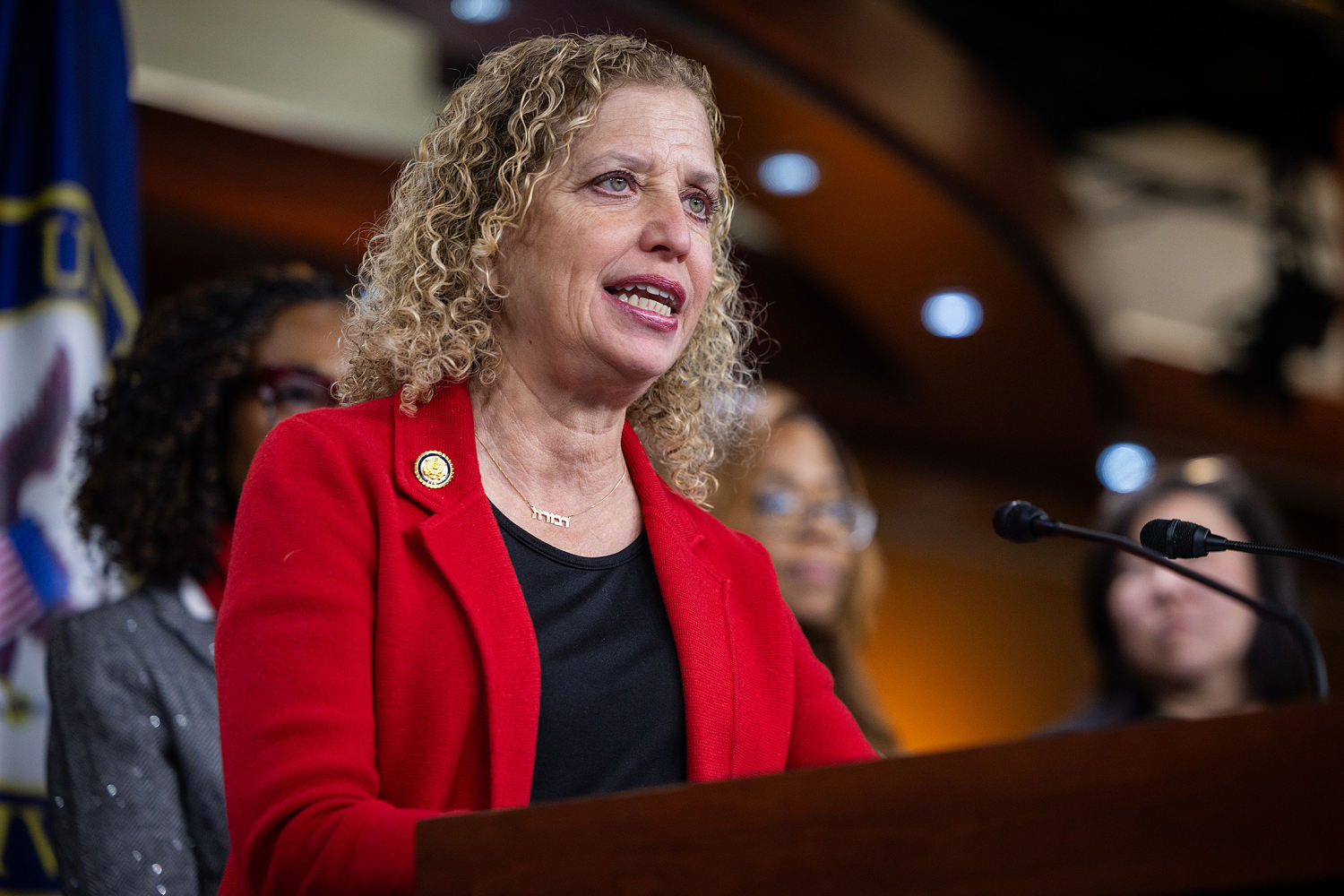
Rep. Debbie Wasserman Schultz, D-Fla., is facing significant opposition from some Black leaders over her decision to seek re-election in a majority-minority district. This controversy has extended to the highest levels of the Democratic Party, with House Minority Leader Hakeem Jeffries, D-N.Y., declining to endorse her candidacy. Jeffries stated that he had spoken with Wasserman Schultz, a member of his leadership team, but stopped short of offering support, citing the "sensitivities of the moment" and what he described as a "Jim Crow-like assault on Black political representation" spurred by a Supreme Court decision impacting redistricting. Wasserman Schultz is competing in the Fort Lauderdale-based seat against four Black opponents in the August primary. The district has been represented by a Black lawmaker for over three decades. Progressive activist Elijah Manley criticized Wasserman Schultz, noting discrepancies in her claims about encouragement from the Congressional Black Caucus and support from Jeffries. Despite the backlash, Wasserman Schultz likely possesses a substantial fundraising advantage, with over $2.5 million in her campaign account. Former Rep. Sheila Cherfilus-McCormick is also running for the seat again, facing a pending criminal trial. The district's map was redrawn as part of a new GOP-friendly congressional map in Florida.
The controversy highlights internal Democratic Party divisions over race, representation, and redistricting, potentially impacting election outcomes and the party's messaging on civil rights.