Key facts
- Reform UK's Zia Yusuf accused Serco of being hostile to the party's immigration policy.
- Yusuf suggested Serco's alleged actions could be viewed as a threat to national security.
- Serco denied taking political positions or commenting on political parties' policy programs.
- Serco stated its role is to deliver services as specified by the contracting authority.
- Serco operates in detention and preparation for removals within the immigration system.
- Serco is a major contractor for UK government services, including asylum hotels.
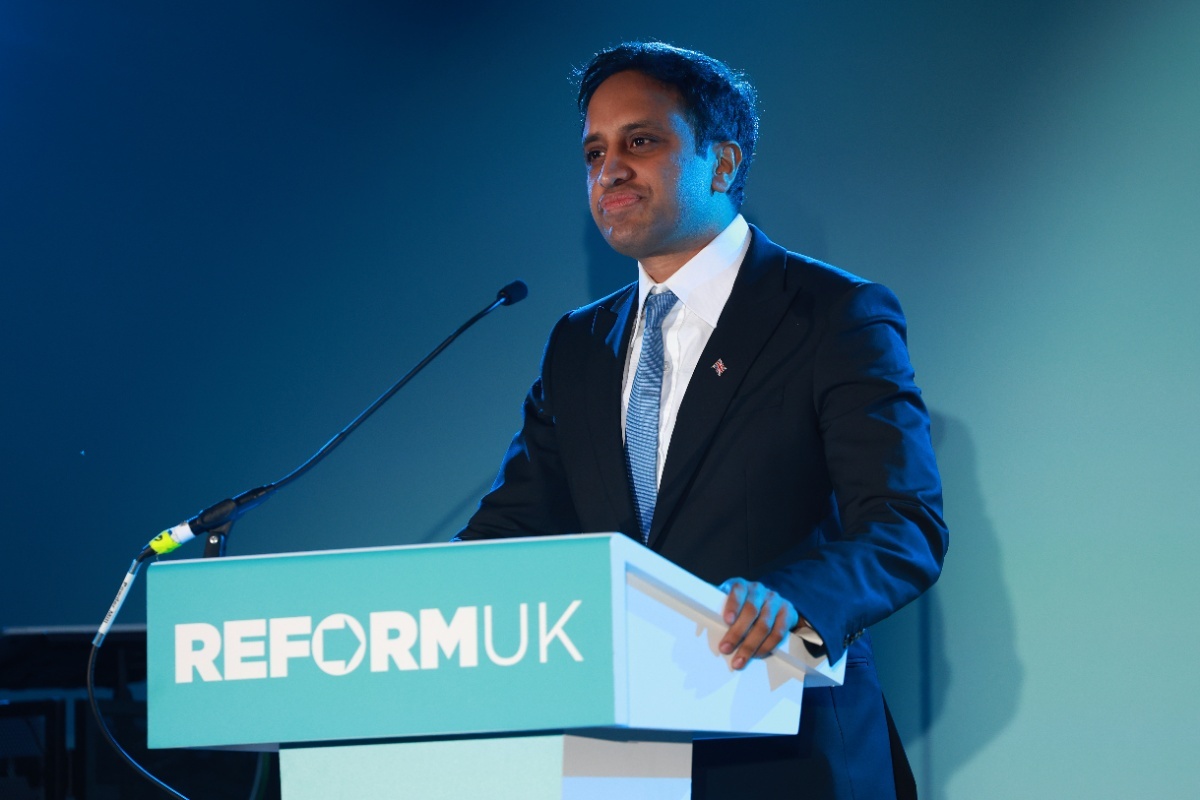
Reform UK's home affairs spokesperson, Zia Yusuf, has accused Serco, a significant private sector contractor for the UK government, of being "hostile" to the party's immigration policies. Yusuf cited a report suggesting Serco would oppose Reform UK's deportation plans if the party entered government, implying the company was acting as an "alternative power base" and a "threat to national security."
Yusuf stated in a letter published on social media that a Reform government would initiate an "accelerated review" of government contracts and exercise break clauses with Serco where possible, asserting that the company would not be permitted to take political positions.
Serco has denied these accusations, stating that it does not take political positions or comment on the policy programs of political parties. The company clarified that its responsibility is to deliver services as specified by the contracting authority, a role it has fulfilled for 60 years. Serco confirmed its involvement in operating asylum hotels and in detention and preparation for removals within the immigration system, indicating it would continue to offer such services.
The company also addressed inaccuracies in a media report, stating they were corrected following Serco's representation. Serco pockets over £1 billion annually from UK government contracts and is a primary operator of asylum hotels, alongside Mears Group and Clearsprings Ready Homes. Contracts for asylum hotels have cost the government £15.3 billion in the decade leading up to 2025.
Serco's chief executive, Anthony Kirby, previously stated the firm operated around 120 asylum hotels, a number later halved to align with government policy. Kirby also noted that the cost of policing protests outside asylum hotels is the responsibility of the Home Office, not Serco.