Key facts
- South Korea's National Assembly passed a bill to abolish the prosecution's direct and supplementary investigation powers.
- Prosecutors can now only request judicial police officers to conduct supplementary investigations.
- The head of the National Office of Investigation vowed to improve the quality of police investigations.
- He stated that all additional investigation findings must be sent to the prosecutor.
- Police will consult with prosecutors before referring cases to prevent indiscriminate requests.
SEOUL, Aug. 3 (Yonhap) -- The nation's top police investigator said Monday that police will strive to improve the completeness of initial investigations before sending cases to the prosecution, following the National Assembly's passage of a bill last week that abolishes the prosecution's direct and supplementary investigation powers.
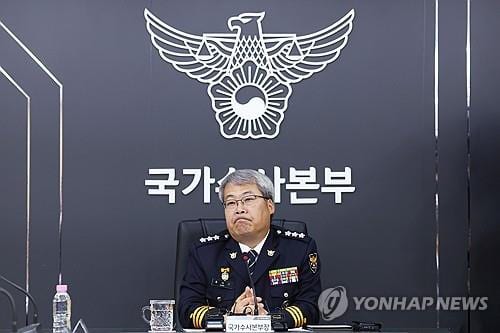
Hong Seok-ki, head of the National Office of Investigation (NOI) under the Korean National Police Agency, told reporters that he feels a heavy responsibility as the criminal justice system faces a critical turning point.
His remarks came after the Assembly approved a revision of the Criminal Procedure Act on Friday, stripping the prosecution of its authority to conduct direct investigations, including supplementary investigations. Prosecutors will instead be allowed to request judicial police officers to carry out supplementary investigations.
"Article 195 of the revised Criminal Procedure Act clearly stipulates prosecutors and judicial police officers must cooperate with each other in investigations, prosecutions and the maintenance of public prosecutions," Hong said, adding he believes it is a legislative change designed to separate investigative and prosecutorial functions while clarifying the roles and responsibilities of the two agencies.