Key facts
- Significant gaps were found between voter turnout and official vote counts in South Korea's June 3 local elections.
- Yonhap's analysis revealed discrepancies in 337 out of 427 administrative districts in Seoul.
- Examples include a difference of 381 votes in Gwanak Ward and 184 votes in Seongbuk Ward.
- A prosecution-police task force is investigating alleged data manipulation by the National Election Commission (NEC).
- The investigation reportedly includes evidence of NEC officials covering up turnout errors.
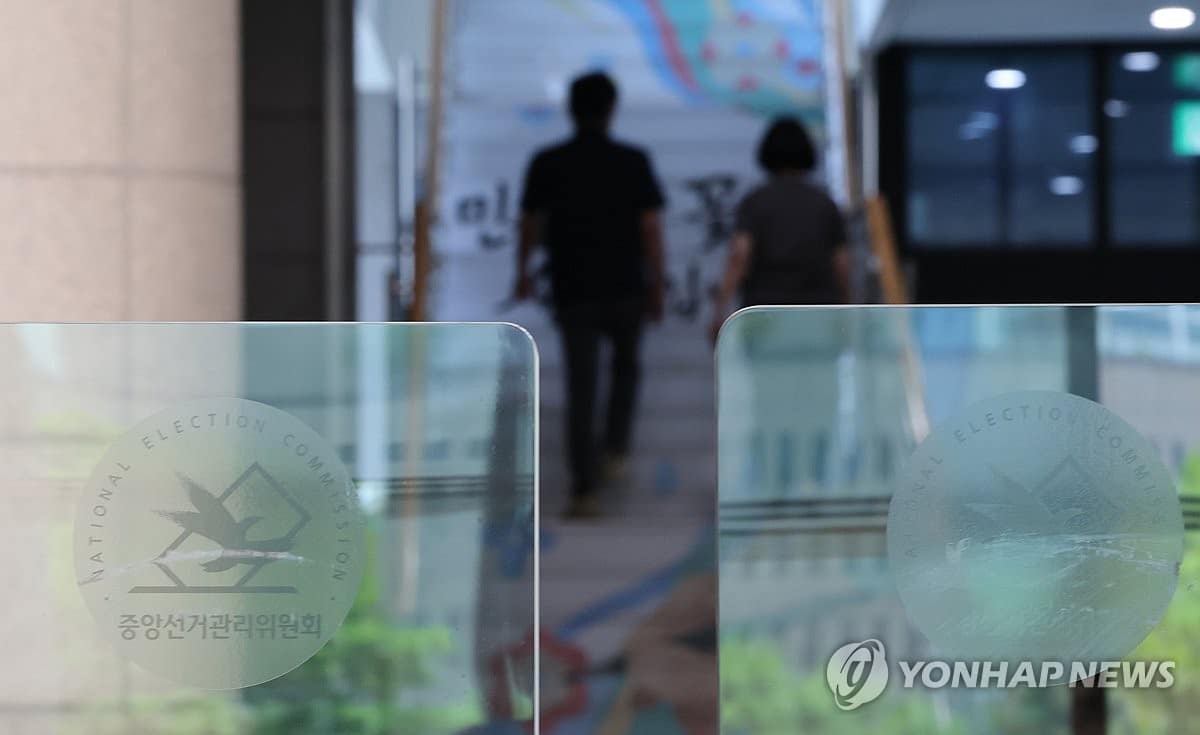
Significant gaps have been identified between the number of voters who cast ballots in South Korea's June 3 local elections and the official vote counts, potentially indicating a new form of data manipulation by the National Election Commission (NEC).
An analysis by Yonhap News Agency revealed discrepancies in 337, or 78.9 percent, of Seoul's 427 administrative districts. For instance, one polling station in Gwanak Ward reported 7,680 voters, but the ballot count was 7,299, a difference of 381. Another station in Seongbuk Ward showed a gap of 184 votes between the 7,454 voters recorded and the 7,270 ballots counted.
A joint prosecution-police task force was established in June to investigate ballot shortages that occurred on Election Day. Evidence reportedly suggests NEC officials and election workers concealed turnout errors by reallocating discrepancies across multiple polling stations. The task force has reportedly expanded its investigation to determine if data manipulation also occurred after polls closed.