Key facts
- UK Prime Minister Keir Starmer plans to ban social media access for individuals under 16.
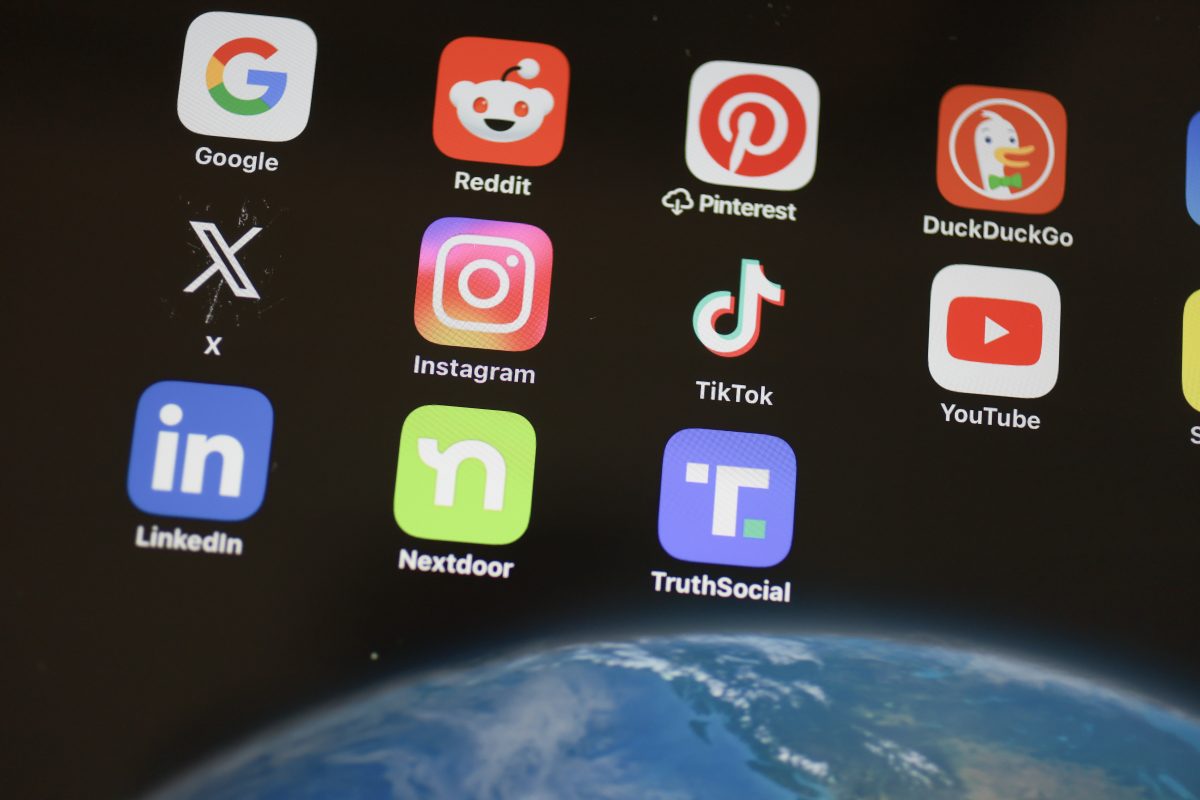
- Platforms affected include TikTok, Instagram, Snapchat, YouTube, Facebook, X, and Reddit.
- Elon Musk called the UK a 'police state' and the ban a 'wolf in sheep's clothing', alleging a goal of government tracking.
- Tech giants like Meta and Google's YouTube have opposed the ban, citing risks of pushing users to less safe services and social isolation.
- The government is considering making Apple and Google responsible for age verification through their operating systems.
- The proposed ban is partly modeled on Australia's, but the UK plans to implement stricter measures, including restrictions on livestreaming and AI chatbots with romantic or sexual features.
- Legislation is expected to pass before Christmas, with measures to take effect by spring 2027.
Elon Musk, Meta, and Google's YouTube have strongly criticized UK Prime Minister Keir Starmer's proposed ban on social media for individuals under 16, warning that such restrictions could drive teenagers to less secure online spaces and enable government surveillance. Musk branded Britain a "police state" over the proposals, which aim to "give children back their childhoods" by barring access to platforms like TikTok, Instagram, Snapchat, YouTube, Facebook, and X from spring 2027.
Ministers are considering making Apple and Google responsible for age verification through their smartphone operating systems, a move that would shift the burden from social media platforms to device manufacturers. This approach is partly modeled on Australia's ban, which came into effect last year. However, critics like Dr. Christopher Snowdon of the Institute of Economic Affairs argue that teenagers in Australia have largely circumvented similar bans using VPNs and inaccurate age declarations, leading to social isolation for those unable to do so. Snowdon compared the government's efforts to banning the printing press, deeming them impractical and illiberal.
Despite the backlash, government officials are moving forward with plans that could involve Apple's iOS and Google's Android software in the age-verification regime. While Meta has long advocated for device-level age checks, Apple and Google have expressed concerns about privacy and the large-scale storage of age data. The UK's proposed measures are intended to be more stringent than Australia's, potentially including restrictions on livestreaming, communication with unknown adults on gaming platforms, and AI chatbots with romantic or sexual features. The government hopes to pass legislation before Christmas, with the measures coming into force by spring 2027. Enforcement is expected to rely on age-assurance technology, with Ofcom tasked to assess its effectiveness. Privacy campaigners, however, warn that widespread age verification could create new risks by requiring users to submit sensitive personal data.