Key facts
- A federal judge has blocked the U.S. Postal Service's proposed restrictions on mail-in voting.
- The judge ruled that the restrictions violated a settlement with a civil rights group.
- The ruling prevents the creation of a national list of voters eligible for mail-in ballots.
- The judge determined that President Trump's executive order exceeded presidential authority and infringed upon states' election oversight powers.
- The decision stops the Postal Service from implementing new regulations that would increase its oversight of mail-in voting.
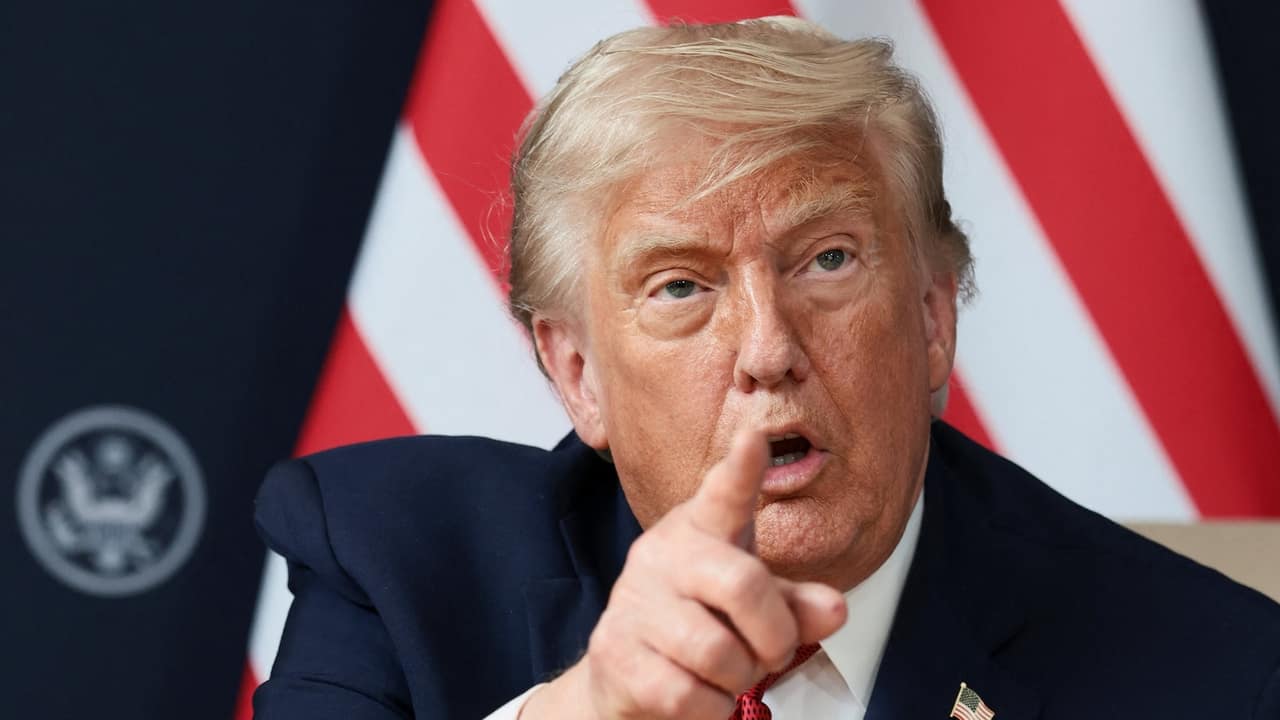
A federal judge has blocked parts of President Donald Trump's executive order aimed at restricting mail-in voting, ruling that the U.S. Postal Service's proposed regulations violated a settlement with a civil rights group and exceeded presidential authority.
Judge Indira Talwani of the U.S. District Court for the District of Massachusetts issued an injunction on June 25, 2026, barring the Trump administration from creating a national list of approved voters eligible to receive mail-in ballots from the Postal Service. The ruling also halts new regulations intended to increase the Postal Service's oversight of mail-in voting.
Talwani stated that the Constitution reserves the power to determine voter eligibility to the states alone and that neither the Executive Branch nor Congress may interfere with this power. She further ruled that the executive order's timing made it impossible for the Postal Service to propose the rule through proper bureaucratic channels, providing "no allowance for Congress’ mandated procedure regarding USPS rulemaking."
The decision marks the third time in less than a week that a federal judge has stymied the Trump administration's attempts to increase federal oversight of elections. Previous rulings have blocked an executive order provision requiring proof of citizenship to register to vote and a voter-screening database that consolidated private information of millions of Americans.
President Trump has sought to crack down on mail-in voting, claiming without evidence that it leads to widespread fraud. The Postal Service's chief executive, Postmaster General David Steiner, had previously expressed support for the president's order, characterizing it as a means to ensure correct ballots are sent to the right people, while deferring to the courts on the Postal Service's authority to implement such rules.