Key facts
- Japan has launched a government efficiency initiative inspired by the U.S. Department of Government Efficiency (DOGE).
- A department of approximately 30 people has been established in the Cabinet Secretariat to identify and eliminate wasteful spending.
- The first ministerial meeting focused on reviewing tax measures, subsidies, and funds.
- Only one out of 120 reviewed tax breaks and subsidies has been flagged for elimination.
- The government plans to solicit public input on spending by year-end.
Japan's government is facing internal resistance from ministries as it attempts to implement a push for greater efficiency and cuts to wasteful spending, a move inspired by the U.S. Department of Government Efficiency (DOGE) established under President Donald Trump.
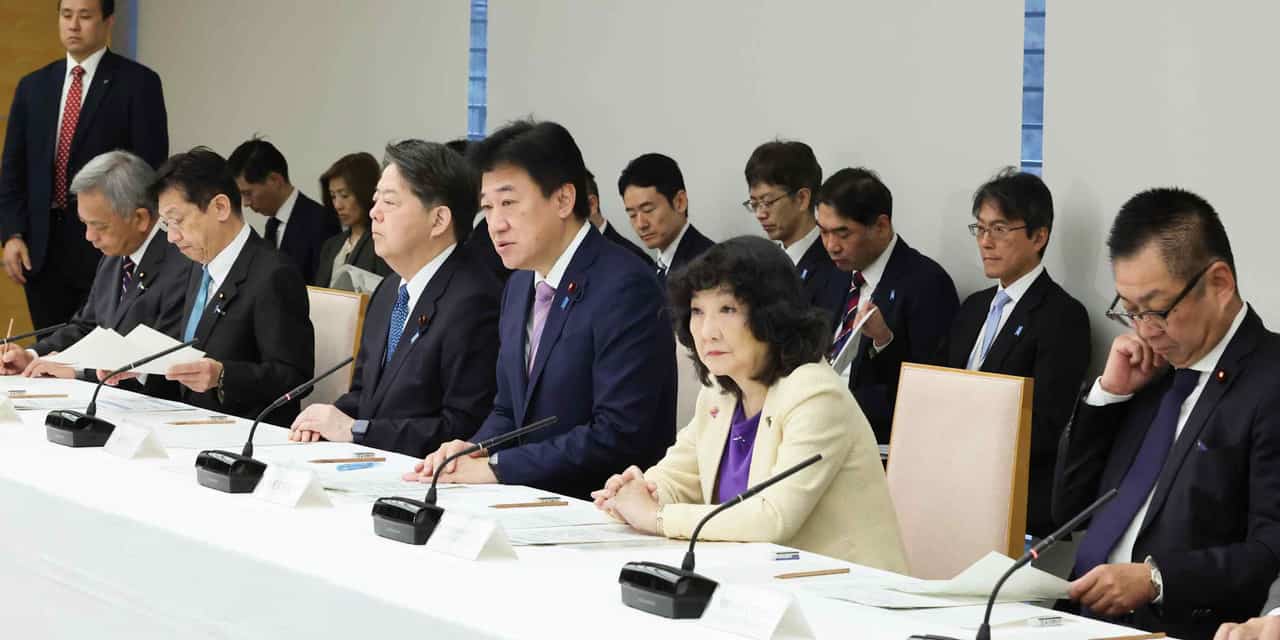
The initiative, spearheaded by Chief Cabinet Secretary Minoru Kihara, aims to scrutinize tax breaks and subsidies to reduce public expenditure. However, out of 120 such measures reviewed, only one has been identified for elimination, underscoring the difficulty in enacting significant cuts.
A dedicated department of approximately 30 individuals has been established within the Cabinet Secretariat to spearhead this effort. During the first ministerial meeting on the matter, Finance Minister Satsuki Katayama indicated that reviews would commence with the fiscal 2026 budget compilation and tax system reform. The government also plans to solicit public opinions on spending by the end of the year.
In the U.S., Elon Musk's DOGE claimed to have saved $55 billion through various measures, including contract terminations, fraud detection, and asset sales. However, verification of these savings has been challenging, with initial reports of large contract terminations later revised to significantly lower figures.