Key facts
- Three International Criminal Court (ICC) judges have filed a complaint in a New York federal court.
- The judges are suing the Trump administration over sanctions imposed by Executive Order 14203.
- Sanctions have resulted in frozen bank accounts, loss of health insurance, and restricted financial services for the judges.
- The judges describe the measures as a 'financial death penalty' and an 'unprecedented attack on judicial independence'.
- Judges Kimberly Prost and Solomy Balungi Bossa had their US bank accounts frozen.
- The sanctions were imposed for judicial decisions made by the judges, including rulings related to investigations in Afghanistan and Gaza.
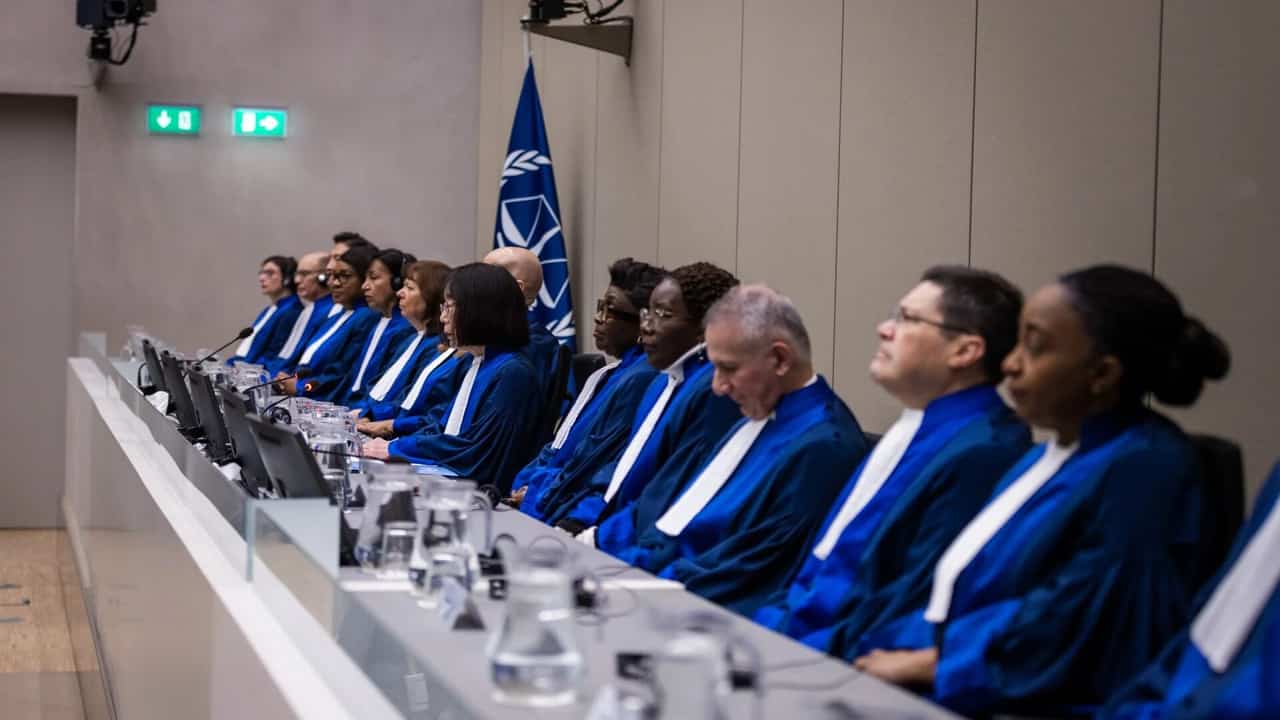
Three International Criminal Court (ICC) judges have filed a complaint in a New York federal court against the Trump administration, alleging that sanctions imposed under Executive Order 14203 have severely impacted their personal and financial lives. The judges, Kimberly Prost of Canada, Solomy Balungi Bossa of Uganda, and Reine Alapini-Gansou of Benin, have reportedly had their bank accounts frozen, lost health insurance, and been cut off from basic financial services.
The complaint, filed on June 24, details how these measures, described by the judges as 'tantamount to a financial death penalty,' extend beyond their professional duties and affect their freedom of movement, physical security, families, and daily transactions. The sanctions were reportedly imposed due to judicial decisions made in their official capacities.
Specifically, Judges Prost and Bossa were sanctioned for their involvement in a March 2020 Appeals Chamber ruling that authorized an investigation into alleged crimes in Afghanistan, including those by US personnel. Judge Alapini-Gansou was sanctioned for her role in Pre-Trial Chamber I, which issued arrest warrants in November 2024 for Israeli Prime Minister Benjamin Netanyahu and former defense minister Yoav Gallant concerning alleged war crimes in Gaza.
James Goldston, executive director of the Open Society Justice Initiative and co-counsel for Judge Prost, characterized the sanctions as an 'unprecedented attack on judicial independence,' suggesting they aim to influence judges' decisions by threatening their personal well-being.
The complaint outlines specific hardships faced by the judges. For Judge Prost, her HSBC account in Manhattan is frozen, preventing her from using credit cards and limiting her access to banking services to parts of Europe and Canada. Transactions passing through the US financial system are blocked, forcing her to rely entirely on cash when traveling outside the EU or Canada. Her accounts with companies like Amazon, Google, and Expedia have been canceled or limited, hindering everyday tasks such as online ordering and booking travel. She has also lost access to health insurance, with her provider refusing claims and other providers unwilling to offer coverage.
Similarly, Judge Bossa's account at the UN Federal Credit Union in New York, held since 2003, has been frozen. She faces restrictions on credit card use, currency purchases involving the US financial system, and inter-account transfers. Booking international transport and accommodation has also become difficult.