Key facts
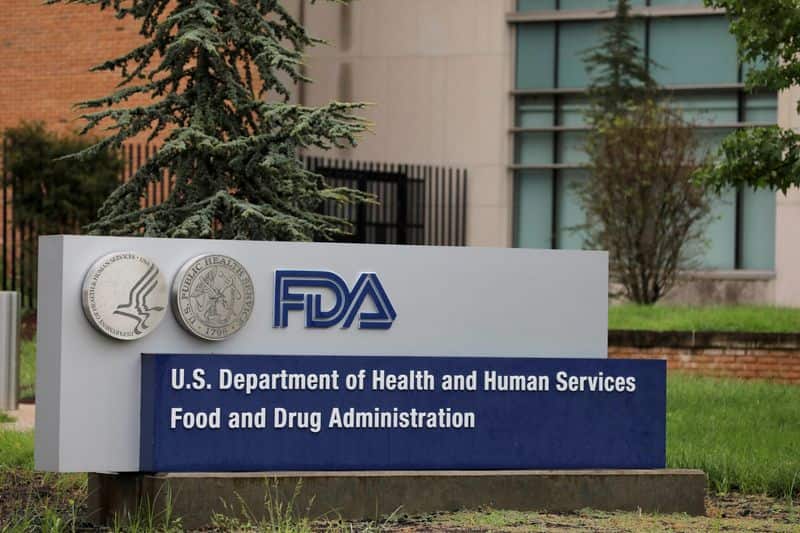
- An FDA panel will review seven popular peptides to determine if they can be compounded by licensed pharmacies.
- The review is scheduled for July 23-24.
- FDA staff reviewers have previously expressed concerns about the lack of safety and effectiveness data for these peptides.
- Despite regulatory concerns, consumer demand for peptides is expected to remain strong.
- Peptides are short chains of amino acids used in the wellness market for various health claims.
U.S. FDA advisers are set to review seven popular peptides this week to decide if licensed pharmacies can compound them. The meeting, scheduled for July 23 and 24, comes amid growing consumer interest in peptides, which are being marketed in the wellness sector for various health benefits, often fueled by social media influencers and endorsements.
Despite public support from figures like Health Secretary Robert F. Kennedy Jr., who has spoken positively about his own use of peptides, FDA staff reviewers have previously flagged a lack of robust human clinical trials to support their safety and effectiveness. This has contributed to a gray market for these compounds.
The FDA's Pharmacy Compounding Advisory Committee will consider adding these peptides to the agency's 503A Bulks List, which would allow state-licensed compounding pharmacies to prepare them for patients with prescriptions. However, any recommendation from the panel is advisory and not binding on the agency. Questions have also been raised about potential conflicts of interest among some voting members who have ties to businesses involved in peptide therapies.
Industry participants believe that even if access through licensed pharmacies is not expanded, consumer demand for peptides is likely to persist. Carrie Carda, national medical director at 10X Health, noted that peptides have become a household name and this public interest is unlikely to disappear. The company, which offers peptide therapies, stated it will comply with any regulatory changes.
Experts like Jeff Cohen, founder of the American Peptide Association, argue that many peptides are naturally occurring compounds and may require different testing requirements than traditional pharmaceutical drugs, lacking the patent protections to justify extensive clinical development. The FDA has cited concerns about immunogenicity and limited data on quality, stability, and consistency.
Advocates for greater access, such as the Alliance for Pharmacy Compounding and Michael Hall of Hall Longevity Clinic, are urging the FDA to implement targeted safeguards rather than outright restrictions. They argue that allowing compounding through the 503A pathway provides accountability and oversight via prescription requirements, quality standards, and adverse-event reporting.