Key facts
- A new Medicare pilot program offers injectable GLP-1 obesity medications for $50 per month.
- Many patients are choosing injectable forms of Wegovy and Zepbound over oral options.
- Doctors report high patient interest and generally quick approvals once processes are understood.
- Injectable drugs have shown higher weight loss percentages in clinical trials compared to oral versions.
- Some patients and clinicians face challenges with coverage and the administrative process.
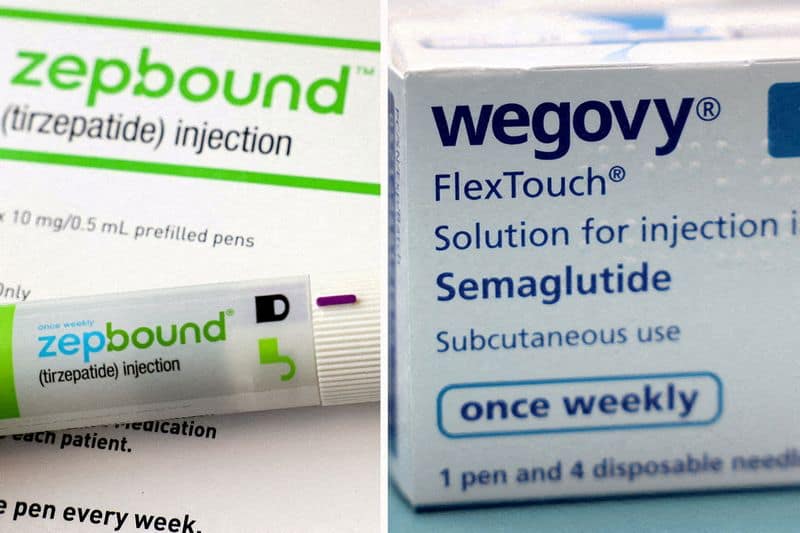
Many patients enrolled in a new U.S. Medicare pilot program are opting for injectable GLP-1 obesity medications, such as Novo Nordisk's Wegovy and Eli Lilly's Zepbound, despite initial expectations that oral pills would be preferred for convenience. The 18-month trial, launched this month, offers these treatments for a $50 monthly cost to eligible Americans aged 65 and older.
Doctors and pharmaceutical analysts report that a significant majority of patients are requesting the injectable forms, citing their known efficacy and the high cost of these medications in the past. Clinical trials have shown that injectable versions of these drugs lead to greater weight loss compared to their oral counterparts. For instance, Lilly's Zepbound helped patients lose over 22% of their body weight in trials, while Wegovy led to a 15% reduction, compared to approximately 14% and 11% for their oral formulations.
While demand for the oral pills remains strong, the effectiveness of the injectables appears to be the primary driver for patient preference. Spokespeople for both Eli Lilly and Novo Nordisk expressed satisfaction with the new Medicare program, noting strong interest and positive initial feedback on its functionality.
However, the rollout has not been without challenges. Some patients and doctors have reported mixed experiences with coverage and a cumbersome administrative process to obtain approvals. Retirees like Katie Smith are still awaiting word on their coverage, expressing frustration over past inaccessibility due to cost. Clinicians also note that navigating the system requires significant time and resources to overcome bureaucratic hurdles.