Key facts
- The Justice Department will not proceed with a $1.8 billion 'anti-weaponization fund'.
- The fund was intended to compensate individuals claiming wrongful investigation or prosecution.
- The decision followed bipartisan backlash and concerns about its potential misuse.
- The fund originated from a settlement in Donald Trump's lawsuit against the IRS.
- A federal judge had temporarily blocked the fund.
- Acting Attorney General Todd Blanche confirmed the DOJ's decision to abandon the plan.
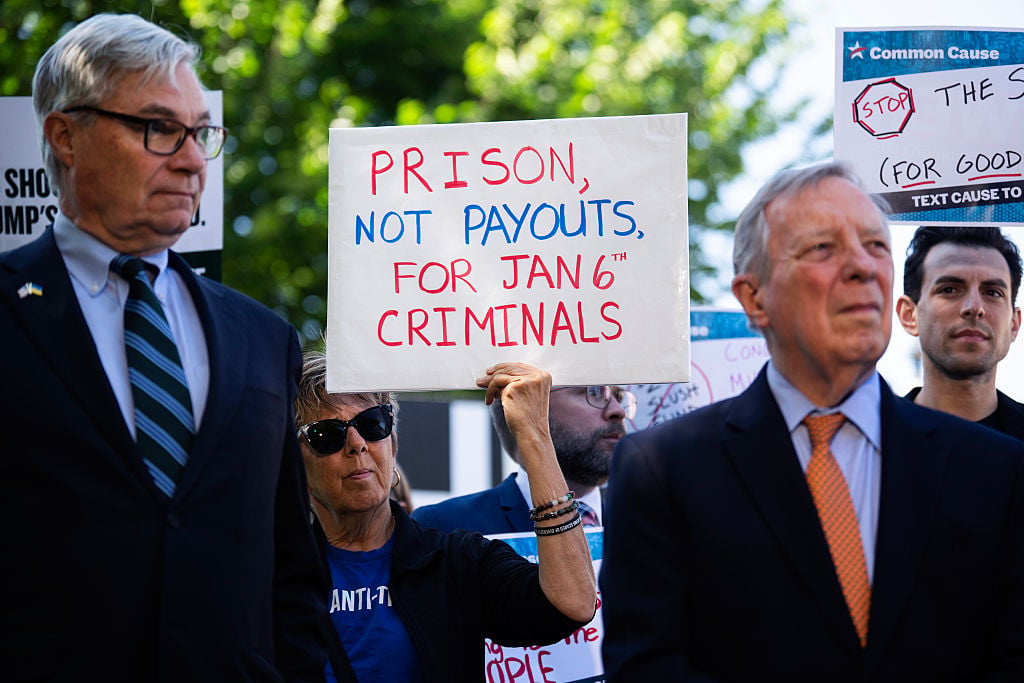
The Justice Department has canceled plans to create a $1.8 billion “anti-weaponization fund” after facing significant bipartisan backlash. Acting Attorney General Todd Blanche confirmed that the DOJ would not move forward with the fund, which was intended to compensate individuals who claimed to have been targeted by the "weaponization" of the Biden administration's government. Critics, including Republican lawmakers and a bipartisan group of former federal judges, feared the fund would serve as a "slush fund" for allies of former President Donald Trump, potentially including those involved in the January 6, 2021, Capitol attack. Legal experts also raised concerns about the fund's lack of a clear legal basis and oversight. The fund was part of a settlement related to Trump's $10 billion civil lawsuit against the Internal Revenue Service concerning the leak of his tax returns. A federal judge had temporarily blocked the fund, and the DOJ stated it would abide by the ruling while confirming its decision to abandon the plans permanently. The settlement also includes protections barring the IRS from auditing Trump, his family, or their companies' past tax returns.
The Trump administration is scrapping plans for a $1.8 billion fund that would have compensated allies of the Republican president, the Justice Department's top official said Tuesday in retreating from a program that faced a fierce political backlash that had threatened to stall key elements of the White House agenda. “We are not moving forward with the fund, period,” Acting Attorney General Todd Blanche said in response to questions at a House hearing on the Justice Department budget. “Not moving forward ever?” asked Rep. Grace Meng, a New York Democrat. “Correct,” Blanche answered. The blunt declaration marked an extraordinary, and rare, Trump administration turnabout in the face of mounting political opposition to a fund that officials said was meant to compensate people who believe they have been improperly targeted by the criminal justice system. Since the establishment of the fund two weeks ago, it's been paused by a judge and lambasted by Democrats and Republicans alike who said they were troubled by a lack of oversight and the potential for payouts to participants in the violent Jan. 6, 2021, riot at the U.S. Capitol. The fund drew concerns even from Republicans. The furor especially complicated matters in the Senate, where Republicans defiantly left town nearly two weeks ago without passing legislation to fund President Donald Trump's immigration enforcement agencies after Democrats said they would offer amendments to scrap or scale back the compensation fund. Furious, Senate Republicans jettisoned White House security money from the bill and made clear they would not pass the legislation at all unless the administration made major changes to the plan. They had sought reassurances from Blanche before moving forward. The $1.776 billion “Anti-Weaponization Fund” was established last month to resolve Trump's lawsuit against the Internal Revenue Service over the leak of his tax returns. The Justice Department had said it was an appropriate measure to correct what officials have insisted was the weaponization of federal law enforcement during the Biden administration, when Trump faced criminal charges and several of his allies were investigated and prosecuted. The administration had said that anyone who felt unfairly persecuted could apply for compensation regardless of political affiliation, but Blanche's refusal to publicly foreclose the possibility that people convicted of crimes of violence in the Jan. 6 riot could get payouts alarmed lawmakers. A five-member commission was to have been responsible for deciding on the payouts, though no commissioners had yet been named and the criteria for eligibility remained unclear. Blanche made clear Tuesday that he stood behind the rationale for the fund even as he was abandoning its implementation, saying: “This Department of Justice, unfortunately, was weaponized against many, many Americans, and we're trying every day to to fix it. And we've made a lot of progress, but we have a lot more to do.” Merrick Garland, the attorney general under President Joe Biden, has denied allegations of politicization and said his decisions followed the facts, the evidence and the law. The Justice Department under his leadership investigated prominent Democrats too, most notably by appointing a special counsel to