Key facts
- Colorado lawmakers have approved a rewritten ban on conversion therapy for LGBTQ+ youth.
- The U.S. Supreme Court previously struck down the state's earlier ban on First Amendment grounds.
- The new legislation, HB26-1322, prohibits licensed mental health providers from imposing predetermined outcomes on a young person's sexual orientation or gender identity.
- Supporters state the revised law is 'viewpoint-neutral' and protects youth from coercive practices.
- The bill also extends the statute of limitations for malpractice claims related to conversion therapy.
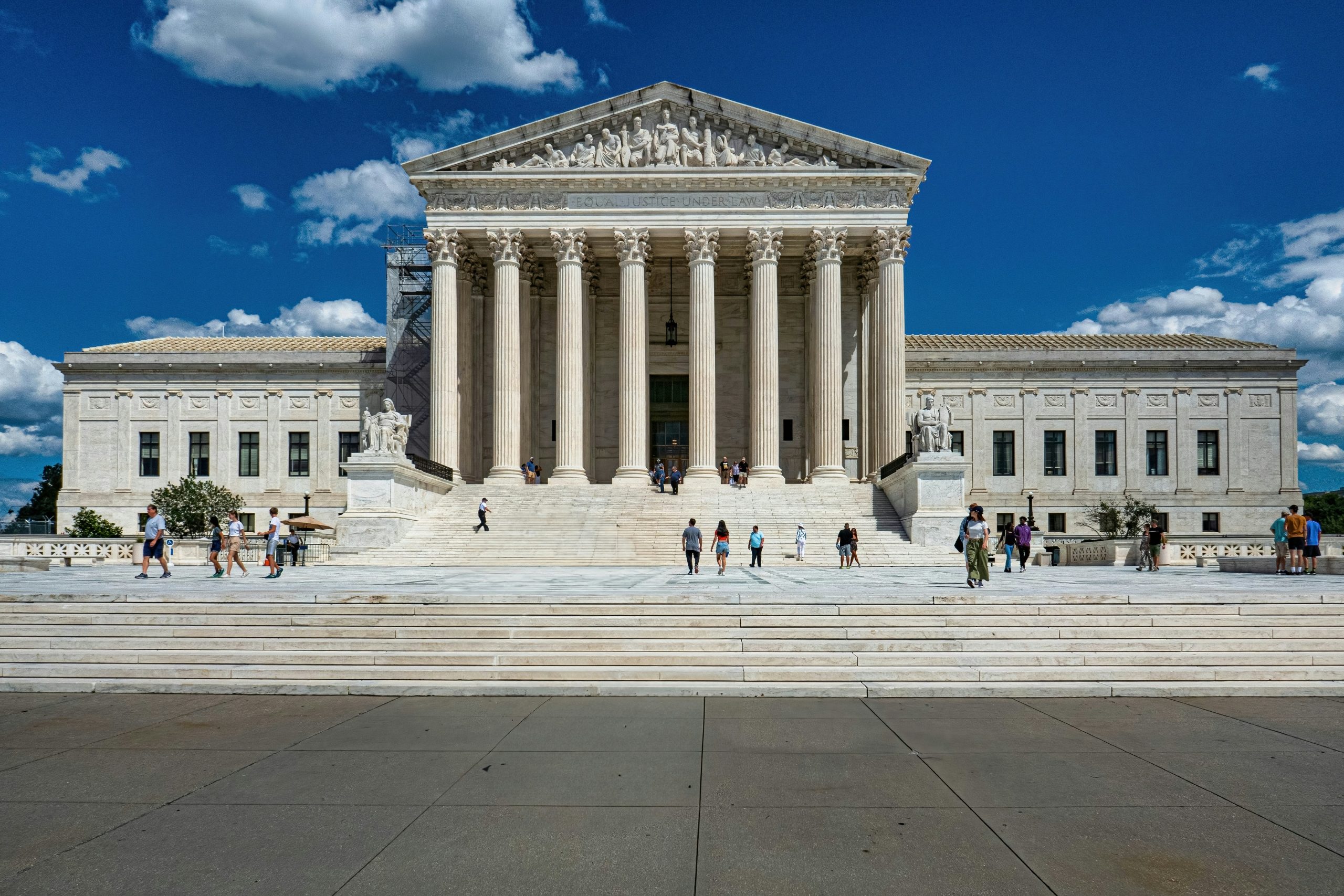
Colorado lawmakers have approved a rewritten ban on so-called “conversion therapy” for LGBTQ+ youth, aiming to preserve protections after the U.S. Supreme Court struck down the state’s previous law earlier this year. The new legislation, HB26-1322, now heads to Democratic Governor Jared Polis, who is gay and expected to sign the bill into law.
The updated bill was drafted in direct response to the Supreme Court’s March ruling in Chiles v. Salazar, which found Colorado’s earlier ban unconstitutional on First Amendment grounds. The original law, passed in 2019 amid a youth mental health crisis, prohibited therapists from attempting to change a minor’s sexual orientation or gender identity, citing evidence of harm including increased depression and suicide attempts.
During arguments before the Supreme Court, Chiles’ attorney, James A. Campbell of the Alliance Defending Freedom, argued that his client offers talk therapy and that banning consensual conversations based on their viewpoints violates the First Amendment. He stated that many clients seek her counsel because their gender dysphoria or sexual orientation do not align with their religious values.
Colorado argued that at least 12 research studies demonstrate conversion therapy causes harm. The state’s Attorney General, Phil Weiser, emphasized the potential for the ruling to create a “Pandora’s box” by exempting professionals from regulation and malpractice. Liberal Justice Sonia Sotomayor questioned whether Chiles’ specific type of talk therapy would even be prohibited by the existing ban, noting it had not been enforced.
The rewritten law now bars licensed mental health providers from imposing any “predetermined outcome” regarding a young person’s sexual orientation or gender identity, regardless of direction. Supporters, including Shannon Minter, legal director of the National Center for LGBTQ Rights, state the new wording makes the law “viewpoint-neutral” while still protecting young people from coercive conduct in talk-therapy settings. The legislation also expands legal options for survivors by extending the statute of limitations for malpractice claims tied to conversion therapy.