Key facts
- California's proposed one-time 5% tax on residents with over $1 billion in assets is certified for the November 2026 ballot.
- The tax would apply retroactively to January 1.
- The measure is proposed by the Service Employees International Union-United Healthcare Workers West.
- Attorney Alex Spiro indicated clients would permanently relocate if the tax is enacted.
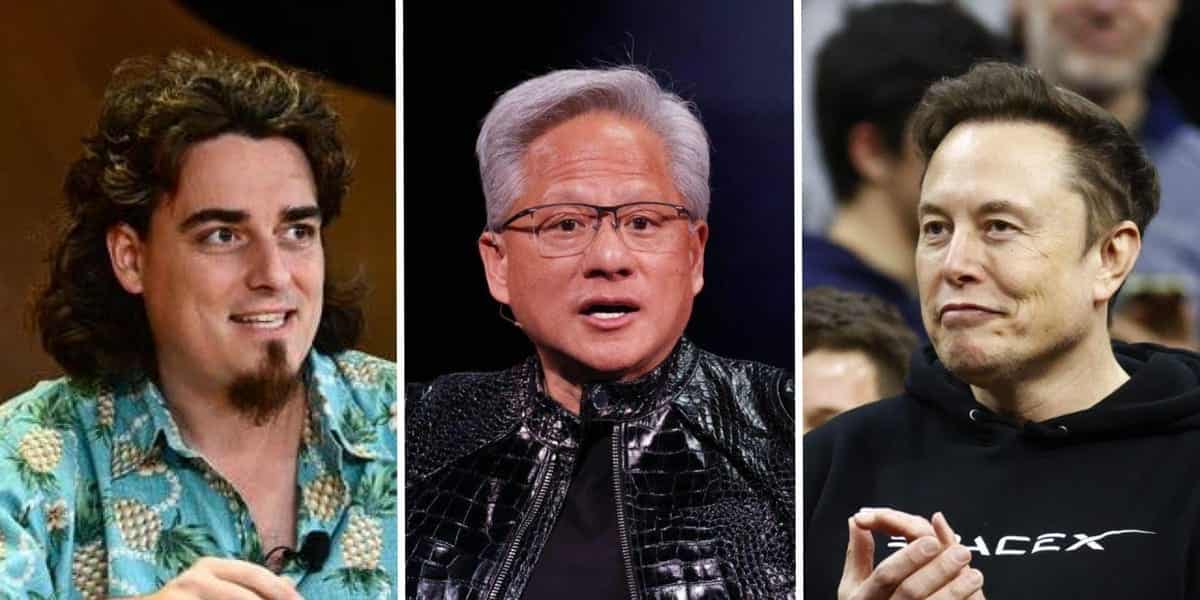
- Nvidia CEO Jensen Huang stated he is unconcerned by the proposal and accepts California's tax structure.
California's proposed one-time 5% tax on residents with assets exceeding $1 billion has been certified for the November 2026 ballot, with the tax applying retroactively to January 1 if passed. The measure, put forth by the Service Employees International Union-United Healthcare Workers West, aims to address a projected multibillion-dollar state budget deficit.
Business leaders and politicians have voiced varied reactions. Attorney Alex Spiro, representing some of the state's wealthiest individuals, stated his clients would permanently relocate if the tax becomes law. Governor Gavin Newsom expressed opposition to a one-time wealth tax at the state level, advocating instead for a nationwide approach.
Billionaire investor Bill Ackman, CEO of Pershing Square Holdings, wrote on X that he opposes wealth taxes, viewing them as an "expropriation of private property" and suggesting that California's budget issues stem from spending rather than a lack of revenue. He argued that individuals amassing significant wealth should not be able to avoid paying personal income tax by living off loans secured by their stock.
Investor Ben Horowitz, who relocated from California to Las Vegas in 2021, described the proposed tax as a "great strategy" to disrupt the "Silicon Valley network effect," drawing a parallel to entrepreneurs leaving Norway due to its unrealized capital gains tax.
Nvidia CEO Jensen Huang, ranked among the world's wealthiest individuals, told Bloomberg TV that the proposal has not crossed his mind, stating he is "perfectly fine" with whatever taxes California applies and that the company remains in Silicon Valley due to the talent pool.