Key facts
- Andy Burnham has not ruled out a wealth tax, suggesting his incoming government may need to increase taxes in the future.
- Burnham indicated that decisions on potential tax increases are for "another day" and not immediate.
- He suggested increasing business rates on warehouses to fund tax cuts for pubs and some high-street businesses.
- Burnham reiterated Labour's manifesto pledges not to raise VAT, income tax, or national insurance.
- Gary Lineker questioned Burnham about a potential wealth tax on the super-rich.
- Burnham also discussed his approach to dealing with US President Donald Trump.
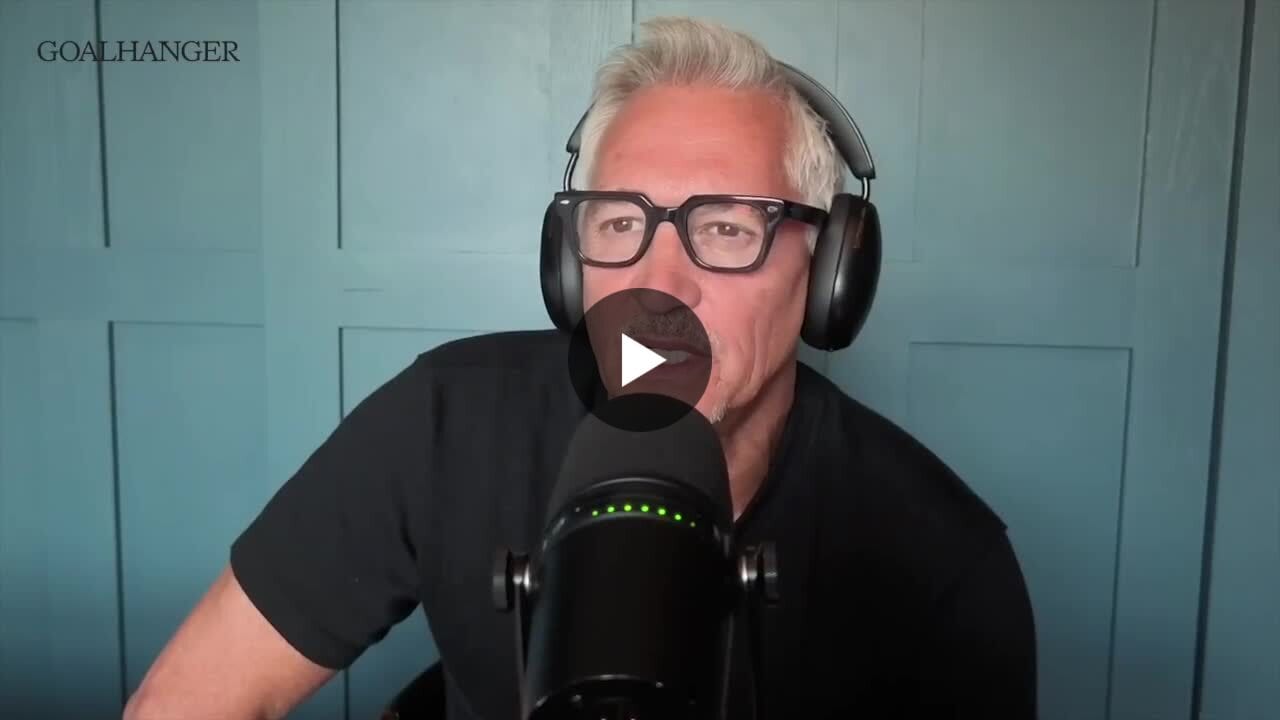
Andy Burnham, who is set to become prime minister, has indicated that his government might consider a wealth tax in the future, emphasizing the need for fairness and to ensure the country can "pay its way." In an interview with former footballer Gary Lineker, Burnham stated he would not rule out such measures at this time, though he stressed that immediate decisions would focus on the state of public finances and avoiding "new divisions."
Burnham suggested that potential revenue could be raised by increasing business rates on warehouses to fund tax cuts for pubs and other high-street businesses. However, he committed to adhering to Labour's general election manifesto pledges, which include not raising VAT, income tax, or national insurance.
Economists and campaign groups, including Oxfam and Tax Justice UK, have proposed a wealth tax, with one suggestion being a 2% levy on assets exceeding £10 million. The Green Party also supports a similar policy. However, political opponents have criticized Burnham's remarks. Robert Jenrick of Reform UK claimed Burnham admitted people would have to pay more tax, while Conservative leader Kemi Badenoch suggested Labour was focused on increasing taxes.
In the same interview, Burnham addressed how he would handle interactions with US President Donald Trump, stating he would engage with him directly. He also commented on the rapid turnover of UK prime ministers, attributing it to a political culture focused on "point scoring" exacerbated by the post-Brexit social media era.