Key facts
- Andy Burnham has become the UK's Prime Minister.
- He pledged to end rough sleeping in England with a £340m investment.
- Burnham plans to devolve power to English regions and increase public control over utilities.
- He has faced criticism for early policy pronouncements on tax, rent freezes, and prisoner releases.
- Burnham defends his candid approach as essential for building trust and doing politics differently.
Andy Burnham has assumed the role of UK Prime Minister, succeeding Sir Keir Starmer, and is already navigating the challenges of his new position, particularly concerning his candid communication style.
In his initial days, Burnham has made significant policy pledges, including a commitment to "end rough sleeping" in England, backed by an additional £340 million investment over five years. This initiative aims to provide 1,200 homes and intensive support for at least 3,000 individuals, with projections suggesting significant savings for taxpayers.
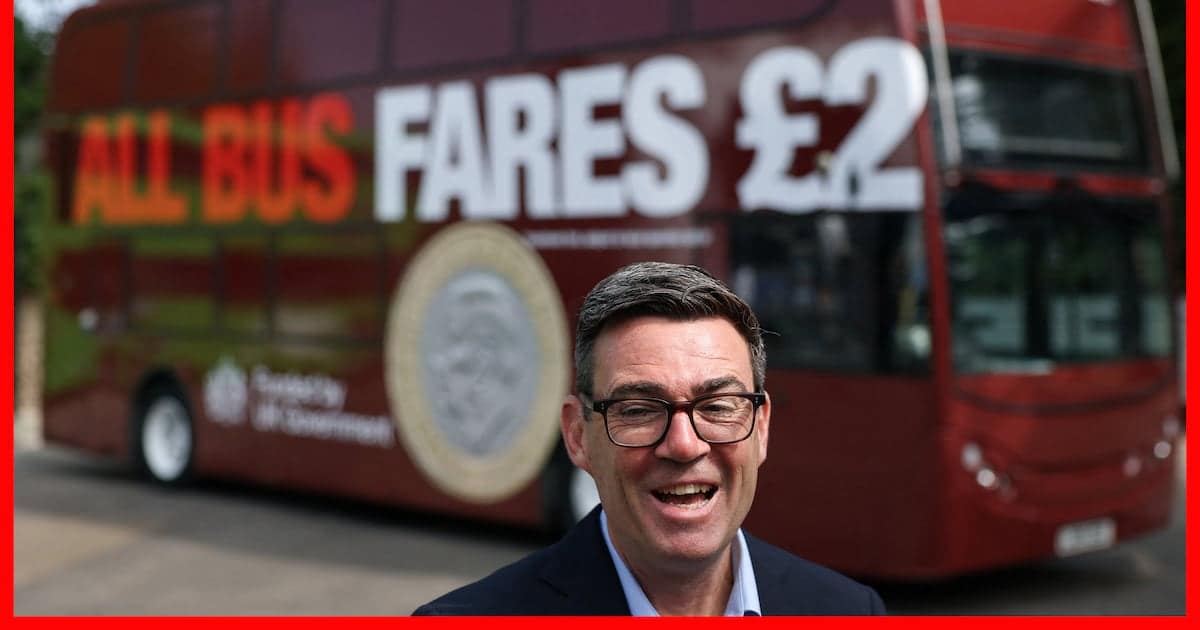
Burnham also intends to enact substantial devolution of power from central government to English regions, establishing a new unit in Manchester to promote "equivalent living conditions" across Britain. He has further proposed increased public control over the water and energy sectors, drawing parallels to the franchised model of Greater Manchester's bus network, while clarifying this does not necessarily mean full nationalisation.
A cornerstone of his housing policy is a pledge for the largest council house building program since the post-war era, though funding details remain to be elaborated. He has also called for the entirety of England's 10-year, £39 billion affordable housing budget to be directed towards social rent homes.
However, Burnham's open approach has led to immediate scrutiny. He has faced accusations of policy U-turns regarding income tax thresholds, tax increases for higher earners, and a potential freeze on private sector rents. Burnham has expressed surprise at the interpretation of his remarks, emphasizing his commitment to answering questions honestly to foster trust and "do politics differently."
His willingness to discuss nascent ideas has sparked debate, with some viewing it as a refreshing departure from more guarded political communication, while others, including political insiders, suggest he may be underestimating the media's scrutiny. Burnham's strategy appears to involve leveraging his conversational style, honed during his time as Greater Manchester mayor, and utilizing social media platforms to convey his message.