Key facts
- The film 'Satluj,' based on Sikh human rights activist Jaswant Singh Khalra, has been removed from Indian streaming platforms.
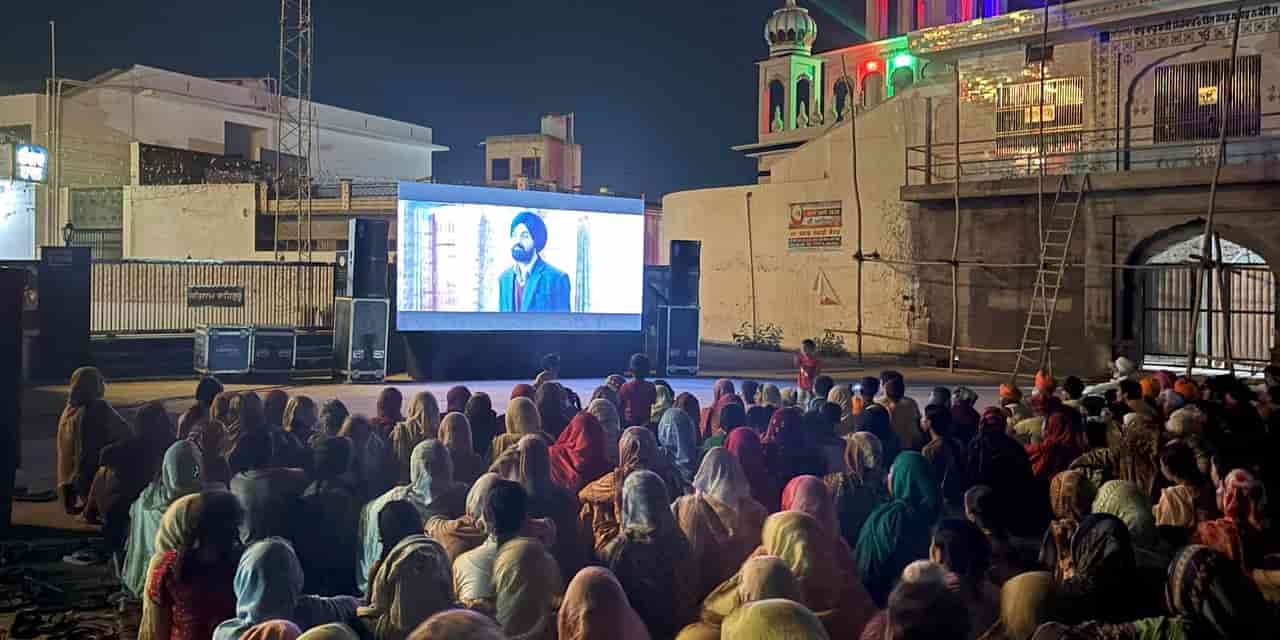
- Following its removal, community groups in Punjab have organized public screenings in villages.
- These screenings are taking place in various public spaces, including gurdwara courtyards and village squares.
- The film details Khalra's investigation into disappearances and extrajudicial killings during the 1980s and 1990s insurgency in Punjab.
- The community screenings aim to educate younger generations about this historical period.
Following its removal from Indian streaming platforms less than 48 hours after its release, the film 'Satluj,' which focuses on Sikh human rights activist Jaswant Singh Khalra, has found a new audience through community-organized screenings in villages across Punjab. Residents are transforming village squares, gurdwara courtyards, and open fields into makeshift cinemas to watch the film, which details Khalra's investigation into thousands of disappearances and extrajudicial killings during the government's crackdown on a separatist insurgency in the 1980s and early 1990s.
Originally titled 'Punjab 95,' the film faced significant censorship, with India's censor board demanding over 120 cuts. After failing to secure a theatrical release, it debuted on the ZEE5 streaming platform but was quickly removed in India. This takedown, however, has spurred a grassroots movement, with Sikh organizations, local activists, and residents using circulated copies to host screenings. These events bring together survivors of the insurgency and younger generations, fostering a shared experience and conversation about a critical period in Punjab's history.
Khalra's investigation exposed alleged illegal cremations and enforced disappearances, with his findings later contributing to judicial scrutiny, including a 2009 Supreme Court judgment. The community-led screenings, often drawing hundreds of attendees, have become a significant way to disseminate the film's narrative and ensure the memories of the conflict are kept alive.