HomeAll NewsEducationTV
Equities & FundsCrypto & Digital AssetsAI & TechnologyBusiness & CorporateUS Politics & PolicyGeopolitics & Global RiskMacro, Rates & FXCommodities & EnergyEuropean Politics & MarketsAsia-PacificReal Estate & Property
Story archiveAll categories
← All Stories

Tunisia's President Saied Assumes Executive Authority

Created at 24 Jul · 10:06 AM1 source↑ Market-relevant
IN SHORT

Tunisian President Kais Saied announced he was dismissing Prime Minister Hichem Mechichi, suspending parliament for 30 days, and assuming executive authority. Saied stated his actions were constitutional emergency measures, not a coup, aimed at saving the state.

✉Newsletter

PiQ Daily

Pick your topics. Get only what matters, on your cadence.

Key Numbers

25 July 2021date of presidential address
30 daysparliament suspension period
2011year of revolution
2019year of Saied's presidential election
1957year of monarchy abolition

Who's Involved

Kais Saied
Tunisian President who assumed executive authority
Hichem Mechichi
Former Prime Minister dismissed by President Saied
Ennahda
Tunisia's largest parliamentary party
Egypt
Country reportedly encouraging dismantling of Tunisia's political order
United Arab Emirates
Country reportedly encouraging dismantling of Tunisia's political order
Gordon Gray
Former US ambassador to Tunisia
Tunisia's President Saied Assumes Executive Authority

↳ Why This Matters

President Kais Saied's assumption of executive authority marks a significant departure from Tunisia's decade-long democratic path, raising concerns about the future of the Arab Spring's sole democratic success and its implications for regional stability.

Key facts

  • President Kais Saied announced the dismissal of Prime Minister Hichem Mechichi.
  • Parliament was suspended for 30 days.
  • Saied assumed executive authority, stating his actions were constitutional emergency measures.
  • Former Prime Minister Hichem Mechichi described being held as a "prisoner" at the presidential palace.
  • Egypt and the UAE reportedly encouraged dismantling Tunisia's post-revolution political order.

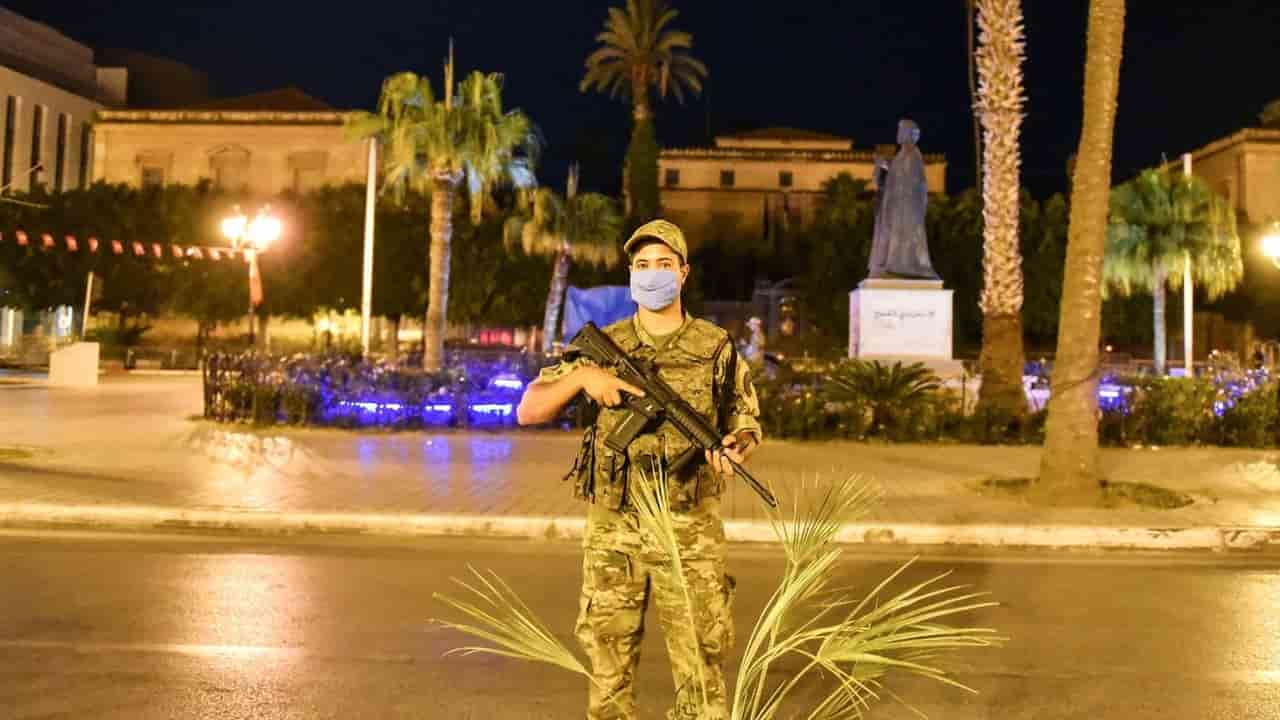
Tunisia's democratic experiment, hailed as the Arab Spring's lone success, dramatically shifted towards one-man rule on July 25, 2021, when President Kais Saied announced he was dismissing Prime Minister Hichem Mechichi and suspending parliament.

Leading up to the events, thousands protested across the country on Republic Day, expressing anger over the political class's perceived failure to deliver on the promises of the 2011 revolution, exacerbated by a severe COVID-19 outbreak and economic stagnation. Youth unemployment remained high, inflation eroded purchasing power, and stalled IMF negotiations highlighted political deadlock.

President Saied, a constitutional law professor elected in 2019 as an outsider, increasingly positioned parliament as the primary obstacle to national progress. His rhetoric grew confrontational, with frequent references to exceptional constitutional powers. The absence of a Constitutional Court, meant to arbitrate disputes between the presidency and parliament, further intensified political disagreements.

Saied invoked Article 80 of the constitution, which he argued allowed intervention during "imminent danger." His critics contended this required consultation with the prime minister and parliament speaker, and that parliament was constitutionally mandated to remain in session.

Following Saied's televised address announcing his decisions as constitutional emergency measures, former Prime Minister Mechichi stated he was effectively detained at the presidential palace. Multiple sources suggested that Egypt and the United Arab Emirates had been involved in encouraging the dismantling of Tunisia's post-revolution political system.

Frequently asked questions

President Kais Saied dismissed the Prime Minister, suspended parliament for 30 days, and assumed executive authority, citing constitutional emergency measures.

Saied stated he was saving the state and that parliament was the principal obstacle preventing Tunisia from escaping its crisis, which included a severe COVID-19 outbreak and economic difficulties.

Tunisia was considered the Arab Spring's lone democratic success, with a functioning, albeit messy, parliamentary system and competitive elections, but faced significant economic challenges and political deadlock.

The absence of an independent body to arbitrate disputes between the presidency and parliament meant constitutional disagreements escalated into political confrontations.

What Happens Next

01President Saied will appoint a new prime minister.
02Parliament remains suspended for 30 days.
03The long-term impact on Tunisia's democratic institutions and economy will unfold.

Get the newsletter.

Pick the topics you actually care about. We'll email when there's news worth your time, on the cadence you choose. Cancel any time from your account.

Cadence

How It Developed

Thousands protested across Tunisia on Republic Day, denouncing the political class and the government's handling of the COVID-19 outbreak and economic issues.
President Kais Saied, a constitutional law professor and outsider, watched the deepening crisis from the presidential palace.
Saied increasingly portrayed parliament as the obstacle to escaping the crisis, aided by Ennahda's support in the 2019 election.
Constitutional scholars warned Saied appeared willing to bypass democratic institutions, compounded by the failure to establish a Constitutional Court.
Saied invoked Article 80 of the constitution, arguing it empowered him to intervene during an "imminent danger".
On July 25, 2021, Saied announced the dismissal of Prime Minister Hichem Mechichi and the suspension of parliament.
Saied assumed executive authority, warning of consequences for anyone contemplating violence.
Former Prime Minister Hichem Mechichi stated he was effectively held as a "prisoner" in a room at the presidential palace after being informed of his removal.
Sponsored

London Quick Take - 22 July - UK inflation softens, oil rises and chips rally ahead of Alphabet, Tesla earnings

SAXO

Sources

T1
The night Tunisia changedMiddle East Eye

Related Stories

Trinidad businessman and wife freed after detention over alleged plot
23 Jul · 9:38 PM
South Africa's Ramaphosa wins court challenge to halt 'Farmgate' impeachment process
24 Jul · 8:26 AM
Court rejects Trump administration bid to re-detain scholar
23 Jul · 11:18 PM
ICC member states vote on removing chief prosecutor Karim Khan
23 Jul · 11:41 AM
Rights groups sue France over inaction on financial ties to illegal Israeli settlements
23 Jul · 3:21 PM