Key facts
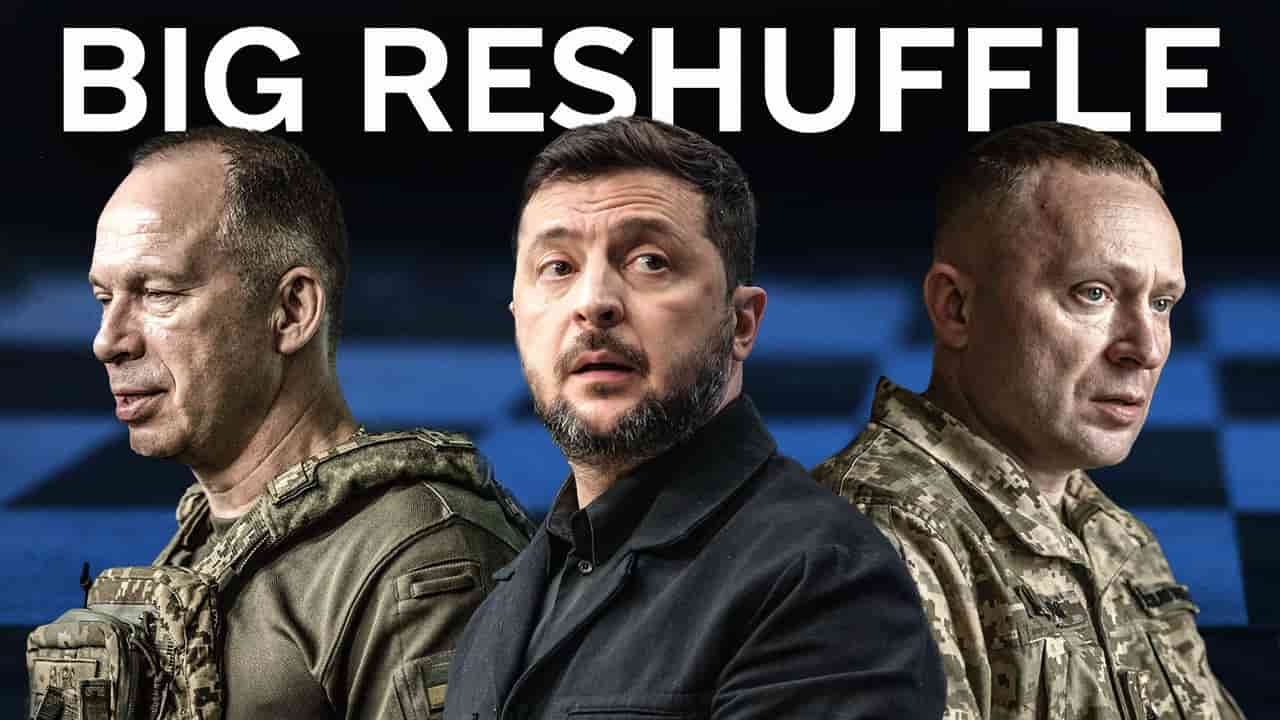
- President Volodymyr Zelensky has replaced Commander-in-Chief Oleksandr Syrskyi.
- The dismissal of Syrskyi follows protests against the earlier dismissal of Defense Minister Mykhailo Fedorov.
- Zelensky offered Fedorov a new government role focused on technology, but Fedorov seeks to return as defense minister.
- Protests initially focused on Fedorov's dismissal but shifted to criticism of Syrskyi's leadership.
- Syrskyi faced accusations of mishandling military operations and weakening brigades.
- Zelensky's office believes public pressure has shifted away from Fedorov, reducing the political cost of his dismissal.
President Volodymyr Zelensky has replaced Commander-in-Chief Oleksandr Syrskyi in an effort to de-escalate public anger following widespread protests against the dismissal of Defense Minister Mykhailo Fedorov. Despite the change in military leadership, Zelensky and Fedorov remain in a political standoff, with neither side willing to compromise.
Zelensky stated on July 21 that he offered Fedorov a significant government position focused on strengthening Ukraine's technological sector. However, Fedorov has indicated he will only return to government as defense minister and is unwilling to accept an alternative role. People familiar with the matter suggest that discussions between the two camps are ongoing, and the outcome could influence future military leadership and the potential resumption of protests.
The dismissal of Fedorov, widely credited for wartime results, immediately triggered demonstrations. Initially focused on Fedorov's removal, the protests evolved to include criticism of Syrskyi's leadership. Activists and public figures accused Syrskyi of alleged misconduct, including covering up friendly-fire incidents and weakening brigades. The controversy intensified with reports of abuse and noncombat deaths within the Skelia Regiment, a large assault formation.
Recognizing the shift in public sentiment, Zelensky began seeking a replacement for Syrskyi and offered Fedorov roles such as presidential adviser or deputy prime minister to oversee military modernization. Fedorov, however, believes his reform agenda, including military recruitment, defense procurement, and drone supply, can only be completed from the defense minister position. His team suggests that sustained public pressure might compel Zelensky to reverse course again, similar to past instances where demonstrations influenced policy decisions.