Key facts
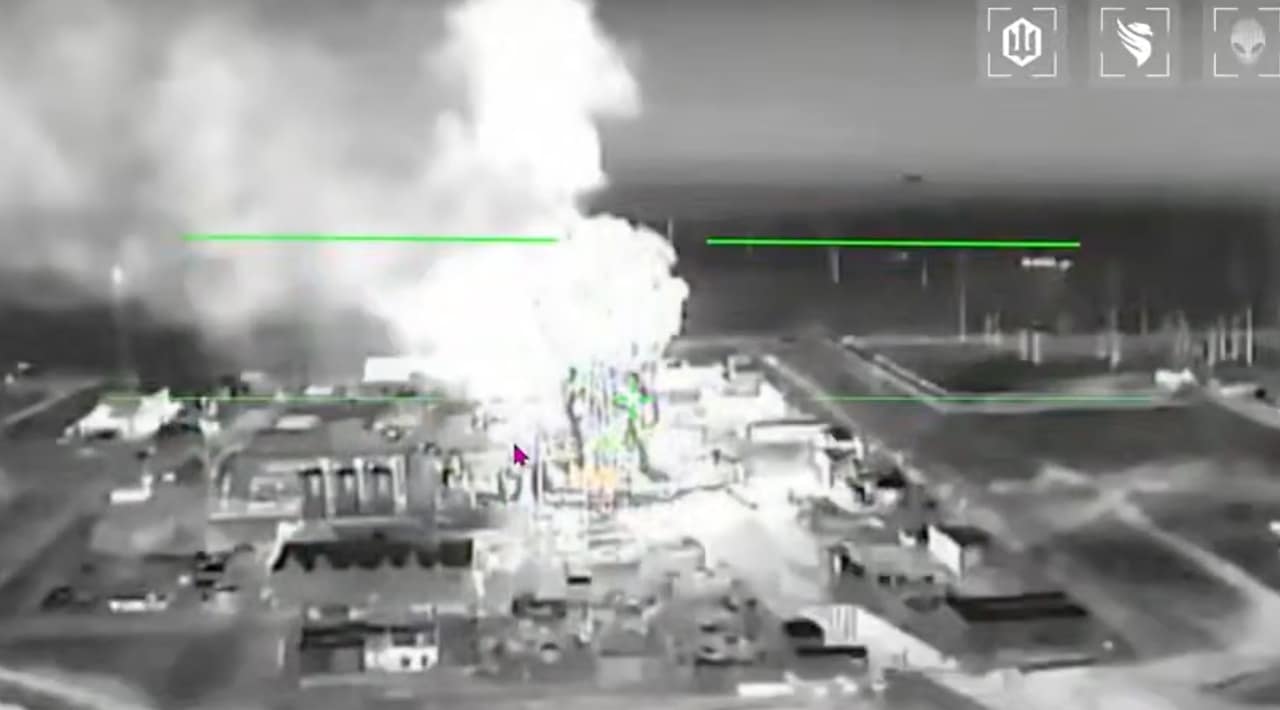
- Ukraine has launched its largest sustained air campaign against Crimea this year.
- Residents across Crimea are facing severe disruptions including power and water outages.
- Fuel shortages have led to a state of emergency and temporary bans on sales to private motorists.
- Ukraine is targeting transport routes and shipping to isolate the peninsula.
- The strikes are impacting tourism and daily life, leading to cancelled events and survival guides.
- Analysts suggest Ukraine will likely intensify attacks on the Kerch Bridge.
Ukraine's intensified strikes on Crimea are significantly disrupting daily life for residents, leading to widespread power and water outages, fuel shortages, and a decline in tourism. The peninsula, annexed by Russia in 2014, has become a key target in Ukraine's sustained air campaign, aimed at isolating it and weakening Russia's strategic position.
Residents across Crimea, including in resort towns like Yevpatoria, are experiencing severe disruptions. Many report prolonged electricity and running water cuts, making daily life challenging, especially during the summer heat. The crisis has extended beyond fuel shortages, which led to a state of emergency and temporary sales bans for private motorists, to essential services. Over 70% of Crimea's approximately 2.5 million residents have faced power outages, with many going days without electricity or water.
Festivals and summer events have been cancelled, and residents are forming queues for fuel and searching for basic necessities. Some residents express frustration with both Russian-installed authorities and Moscow, feeling abandoned. Local Telegram chats have become informal survival guides, with people sharing information on fuel availability and essential services.
Ukraine's strategy involves targeting the main transport routes supplying Crimea, such as the Novorossiya highway, and escalating attacks on Russian shipping in the Sea of Azov. Military analysts suggest Ukraine is likely to intensify its campaign against the Kerch Bridge, which connects Crimea to Russia. The success in isolating Crimea is seen as a morale boost for Ukraine, especially as Russian forces make slow gains elsewhere.
According to a Russian general, Crimea has become a lower priority for Moscow due to the ongoing offensive in the Donbas. Military analysts note that Ukraine's production of numerous medium- and long-range drones makes it increasingly difficult for Russia to defend against all attacks, as the drones are relatively inexpensive to deploy.