Key facts
- Iran and the US have exchanged strikes for 10 days over the Strait of Hormuz.
- Iran's leaders are contemplating three strategic options: concession, escalation, or maintaining instability.
- The Strait of Hormuz has become a key leverage point for Iran, impacting global energy markets.
- Decision-making within Iran is complicated by internal power dynamics following the death of Ayatollah Ali Khamenei.
- Ordinary Iranians are facing significant economic hardship and uncertainty due to the ongoing conflict.
Iran is facing a critical juncture after 10 days of escalating strikes with the United States over the strategic Strait of Hormuz waterway. The exchange of fire has expanded beyond naval targets, with US forces hitting bridges, railways, and an airport in Iran, while Iran has retaliated against US sites in Bahrain, Kuwait, and Jordan, and a tanker was struck in the Strait.
Tehran's leadership is reportedly considering three primary options. The first involves accepting Washington's demands for free passage through Hormuz, ending attacks on commercial shipping, and limiting its nuclear program in exchange for sanctions relief and an end to the naval blockade. This option, while potentially least costly militarily, carries significant political risks by surrendering a newly established deterrent.
The second option is escalation, intensifying attacks on regional US bases, shipping, and infrastructure to force a compromise through higher energy prices and disruption. However, this path carries the greatest military risk, potentially drawing regional neighbors into a broader conflict.
The third option is to maintain the current state of instability, exerting enough pressure on markets to retain leverage without provoking all-out war. This approach aligns with Iran's historical strategy of survival as a form of victory, though it is increasingly strained by sanctions, war damage, and domestic inflation.
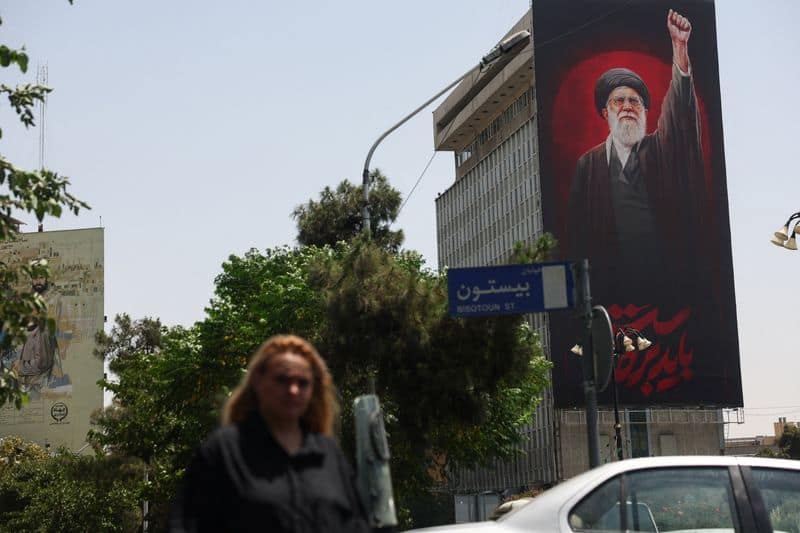
Complicating Iran's decision-making is the uncertainty surrounding its leadership structure following the death of Supreme Leader Ayatollah Ali Khamenei. Disputes between elected officials, clerical institutions, and the Revolutionary Guards, previously settled by Khamenei, are now less clear, with President Masoud Pezeshkian potentially favoring a settlement while hardliners may resist concessions.
Ordinary Iranians are bearing the brunt of the conflict, with accounts detailing job losses, soaring prices, and a general sense of insecurity, illustrating the difficult reality of the leadership's 'endurance' strategy. The situation presents President Trump with his own set of difficult choices regarding the conflict's future trajectory.