Key facts
- A third of World Cup fan visas from non-European countries are being rejected.
- The United States has rejected 74% of visas from Senegalese applicants and 61% from Iranian applicants.
- Iran and Senegal are the most affected countries.
- The US has also rejected half of Canadian tourist and business visas in the last year.
- The World Cup is co-hosted by the United States, Canada, and Mexico.
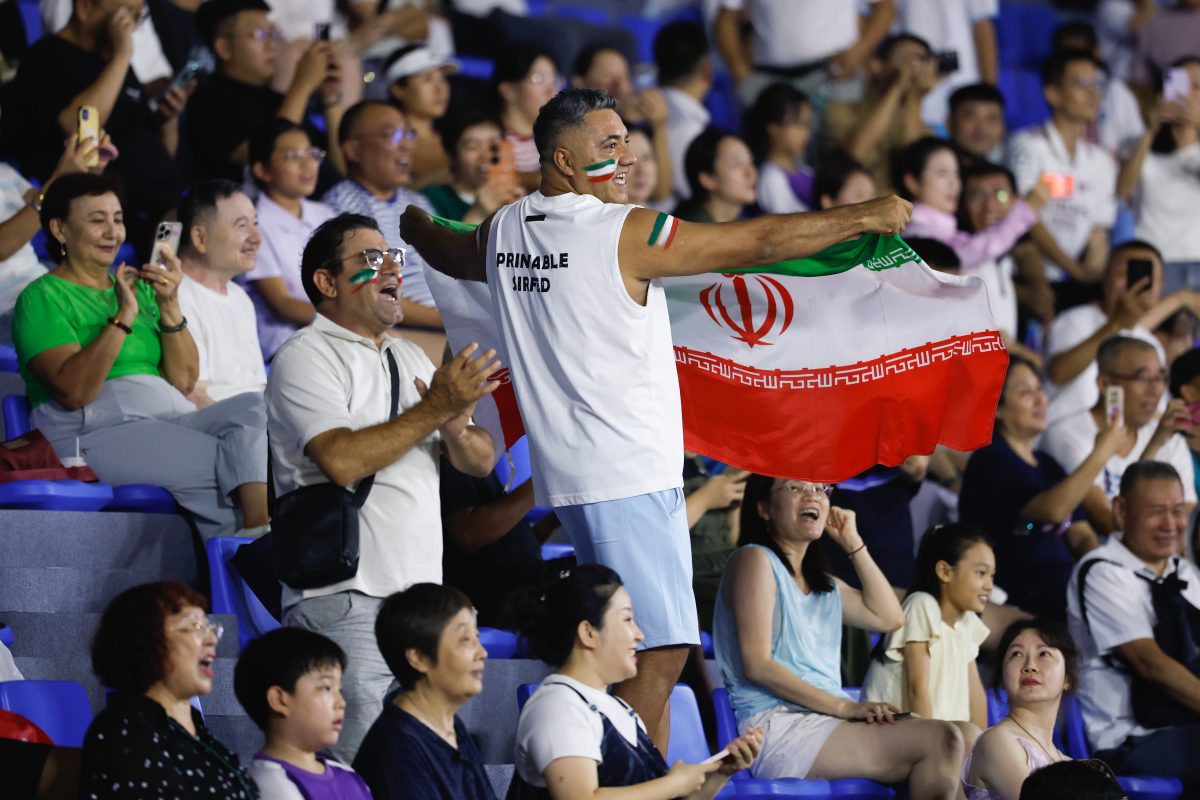
A significant portion of World Cup fan visas from non-European countries are being rejected, with Iran and Senegal experiencing the highest refusal rates, according to research. The United States, which is hosting a majority of the tournament's matches, has refused 74% of visas from Senegalese applicants and 61% of Iranian submissions. Other countries like Ghana, Jordan, and Uzbekistan are also facing high rejection rates. Data from Allianz Trade indicates that the US also rejected half of Canadian tourist and business visas in the past year.
Allianz Trade's report suggests that potential visitors from regions like the Middle East, Africa, and Central Asia may perceive travel to the US as administratively burdensome or politically uncertain. This comes amid security and immigration concerns surrounding the World Cup, co-hosted by the United States, Canada, and Mexico. The report also notes that while the Trump administration had previously exempted 50 countries from a $15,000 visa bond requirement, nationals of Iran and Haiti remain subject to entry restrictions. Additionally, travellers from Ivory Coast and Senegal face restrictions under the expanded travel ban, potentially leading to a redistribution of demand towards Canada and Mexico.
Fifa president Gianni Infantino has urged for a relaxed approach to these issues, following an incident where a Somali referee was denied entry to the United States. The World Cup is set to commence with matches involving Mexico, South Africa, the USA, and Paraguay.