Key facts
- Vietnam is drafting a decree to ban users under 16 from posting, commenting, or reacting on social media.
- Under the proposal, accounts for children under 16 would need to be registered to a parent.
- Social media platforms would be required to identify child users and restrict them to age-appropriate content.
- The goal is to ensure an age-appropriate environment for minors on social media, not to ban access.
- Vietnam is also considering limiting gaming time for under-16s to 60 minutes per day per game.
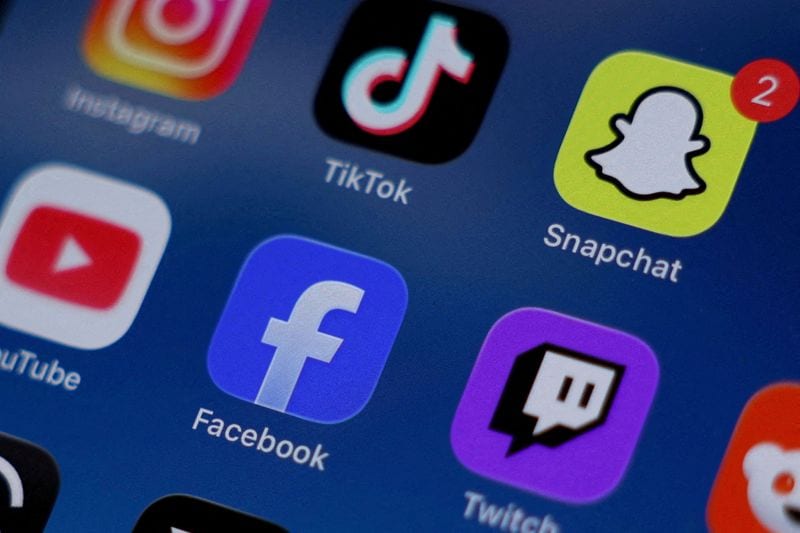
Vietnam is considering a proposal that would ban users under the age of 16 from posting, commenting, or reacting on social media platforms. This move aligns with a growing global trend of countries implementing measures to restrict children's access to social media.
Under the draft decree from Vietnam’s Ministry of Culture, Sports and Tourism, individuals under 16 would retain their social media accounts but would be muted from engaging with content. The proposal mandates that social media accounts for children under 16 must be registered under a parent, who would then be responsible for monitoring their child's online activity and time spent on platforms. Social media companies would be required to implement technical measures to identify child users and limit their access to age-appropriate content.
Deputy Culture Minister Phan Tam stated that the objective is not to ban children's social media use but to ensure they engage with it in an age-appropriate environment. The decree is still in draft form and subject to revision. Vietnam is also contemplating separate regulations for gaming, which would cap daily play for users under 16 at 60 minutes per game and require parental registration, similar to the social media proposal.
Globally, many nations are enacting or proposing restrictions on social media for young users. Australia was the first country to implement such measures in December 2025, banning children under 16 from numerous platforms. France recently announced a similar measure, banning access for those under 15. Other countries considering or implementing bans include Austria, Canada, Denmark, Greece, Indonesia, Malaysia, Poland, Slovenia, Spain, Turkey, and the UK.
These governmental actions are driven by concerns over cyberbullying, addiction, mental health issues, and exposure to predators among young social media users. However, critics, including Amnesty Tech, have raised concerns about privacy related to age verification and excessive government intervention, arguing that such bans are ineffective and disregard the realities of younger generations.