Key facts
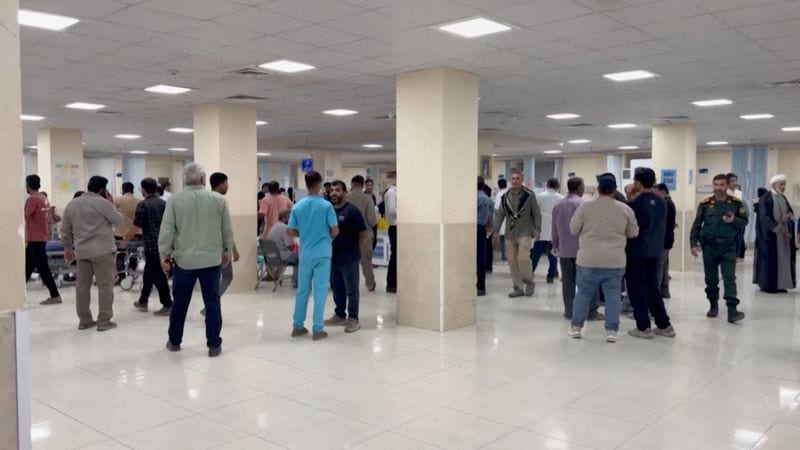
- US Vice President JD Vance confirmed the US is investigating reported strikes on an Iranian wedding that killed at least four people.
- Vance expressed skepticism regarding Iranian state media reports of the incident.
- He stated the US "never targets civilians in combat" but acknowledged "sometimes things happen" when mistakes are made.
- Vance reiterated that there are no open diplomatic channels between Washington and Tehran.
- He emphasized the US military's role in ensuring access to the Strait of Hormuz due to Iranian attacks on commercial shipping.
- The US has imposed a counter-blockade in the Strait of Hormuz.
US Vice President JD Vance stated on Thursday that the United States is "very fully" investigating reported military strikes on a wedding in Iran that killed at least four people this week. Vance expressed skepticism of Iranian state media reports, stating, "The United States never targets civilians in combat. We never will do that. We never have done that. And unfortunately, obviously, sometimes things happen."
Vance acknowledged that there are currently no open diplomatic channels between Washington and Tehran. He pushed back against reporters referring to the situation as a "war," stating, "Major combat operations are currently not ongoing, and they haven't been ongoing in a very long time."
He emphasized the US military's role in the Strait of Hormuz, stating, "We are the only country in the world that can ensure... the control over the Strait of Hormuz... if we don't do it, nobody else would do it," due to Iranian attacks on commercial shipping. The US navy imposed a counter-blockade in April.
Vance advised Iran to "Stop acting like crazy people." In response, Iran's First Vice President Mohammad Reza Aref warned that Iran will deliver an "asymmetrical" and "multi-layered" response and suggested Americans should prepare for "dark months" for the economy.
Harrison Mann, a former US Defense Intelligence Agency officer, suggested that the US might consolidate its regional military presence in Israel, as bases in Bahrain, Qatar, and Saudi Arabia have become political liabilities. Negar Mortazavi, a senior non-resident fellow at the Center for International Policy, commented that Iran has learned to be more offensive and aggressive in dealing with President Trump.
Treasury Secretary Scott Bessent recently unveiled "Operation Economic Outcast," aimed at "asphyxiating" Tehran by cutting off its "enablers," with President Donald Trump reportedly speaking to allies about joining the initiative.