Key facts
- US-Iran peace talks in Switzerland were cancelled due to logistical issues and Iran's demand for implementation signs.
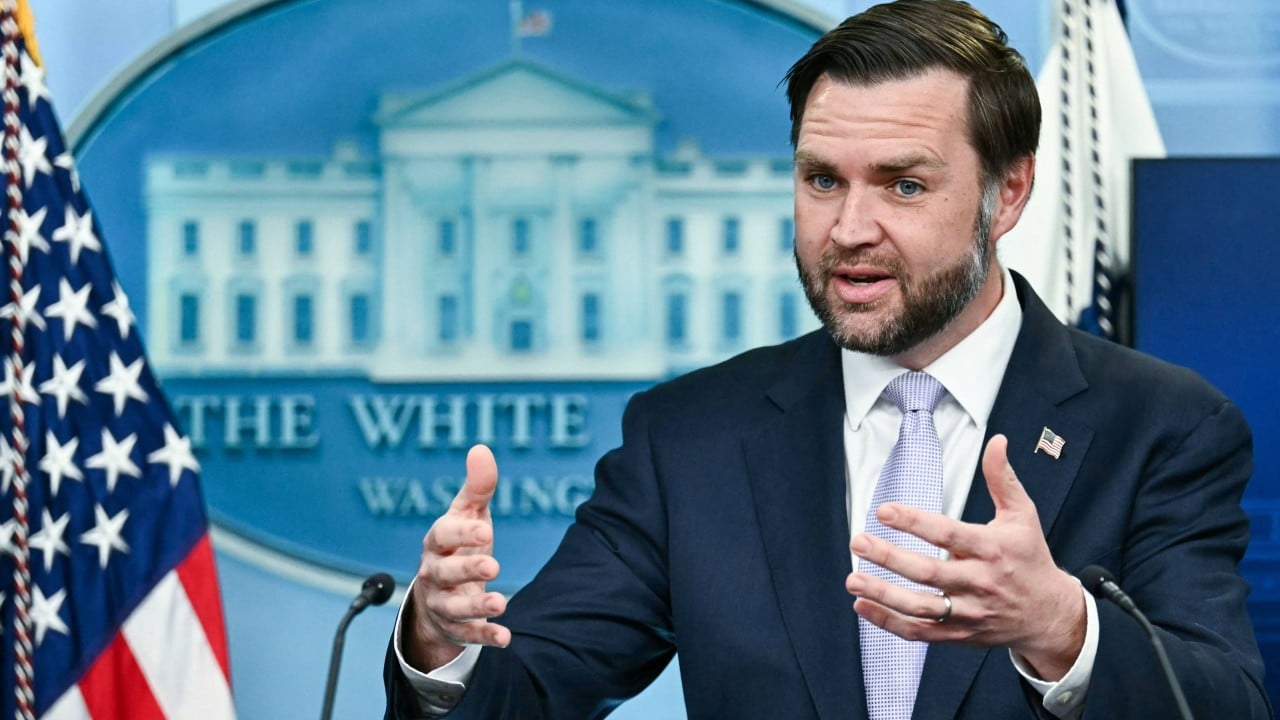
- US Vice President JD Vance postponed his trip to Switzerland, citing complex logistics.
- US President Donald Trump and Iranian President Masoud Pezeshkian signed an initial agreement to end the Iran war.
- The interim agreement includes sanctions relief, asset unfreezing, and oil export waivers for Iran.
- Negotiators have 60 days to agree on Iran's nuclear program status, with a $300 billion reconstruction fund established.
- Fighting continued in Lebanon despite the agreement, with Israeli strikes killing at least 18 people.
Switzerland announced the cancellation of U.S. talks with Iranian negotiators on a pact to end the Middle East conflict, which had been set for Friday. Vice President JD Vance also dropped plans to travel to Switzerland for the negotiations, fueling uncertainty about the prospects for a lasting truce. The war, which began on February 28 with U.S. and Israeli air attacks on Iran, has killed at least 7,000 people, sent energy prices soaring, and shaken global markets.
A White House spokesperson cited the complexity of the logistics for the negotiations, stating that Vance and the U.S. delegation were ready to depart for the talks in Burgenstock as soon as plans were finalized. A Swiss foreign ministry statement confirmed the postponement and indicated that preparatory work at Burgenstock was continuing.
Iran had indicated that its negotiators needed to see signs of the U.S. implementing the interim deal before proceeding. The semi-official Tasnim news agency reported that Iran's delegation had not confirmed travel to Switzerland. U.S. officials had planned a formal signing ceremony, but Iran's foreign ministry deemed it unnecessary after both presidents signed the pact.
The interim agreement, signed by U.S. President Donald Trump and Iranian President Masoud Pezeshkian, provides relief from economic sanctions, unfreezes assets worth tens of billions of dollars, and grants immediate oil export waivers for Iran. The deal includes reopening the Strait of Hormuz, a requirement that Iran will never have a nuclear weapon, and a $300 billion plan for Iran's "reconstruction". Both sides are bound to achieve a final deal in a maximum of 60 days, which could be extended with mutual consent.
Iran's Supreme Leader Mojtaba Khamenei said he had approved the deal despite having a "different view", claiming Trump had "out of desperation, used all kinds of leverage" to bring it about. He stated that while there would be "in-person negotiations in the future" between Tehran and Washington, this would "not mean acceptance of the enemy's position".
Lebanese media reported that the talks had been suspended due to ongoing Israeli air strikes. Iran has always insisted that Lebanon be included in any ceasefire, something Israel has rejected, arguing its conflict against Hezbollah is separate from its war on Iran. Hezbollah has also rejected the terms of the deal between Iran and the US. US President Donald Trump said on Truth Social that he expected a ceasefire to take effect "on all fronts", including between Israel and Hezbollah in Lebanon. The text of the agreement also calls for the permanent cessation of the conflict and for Lebanon's territorial integrity and sovereignty to be ensured.
Lebanon's state news agency described the overnight bombardment across the southern Nabatieh district as one of the most intense of the war, with at least 18 killed, 33 injured and several buildings hit. The Israel Defense Forces (IDF) said it had targeted infrastructure and individuals linked to Hezbollah.
Iranian foreign minister Abbas Araghchi is planning to travel to Switzerland for upcoming diplomatic talks, although the trip remains subject to change. Araghchi has informed several foreign counterparts that the implementation of a ceasefire in Lebanon remains a critical priority for Tehran, adding that US envoy Steve Wittkopf will travel to Switzerland for a round of talks. Iran is insisting on seeing the ceasefire take effect in practice before moving forward with the Switzerland visit, wanting concrete evidence that hostilities in Lebanon have ended before proceeding with the next stage of diplomacy.