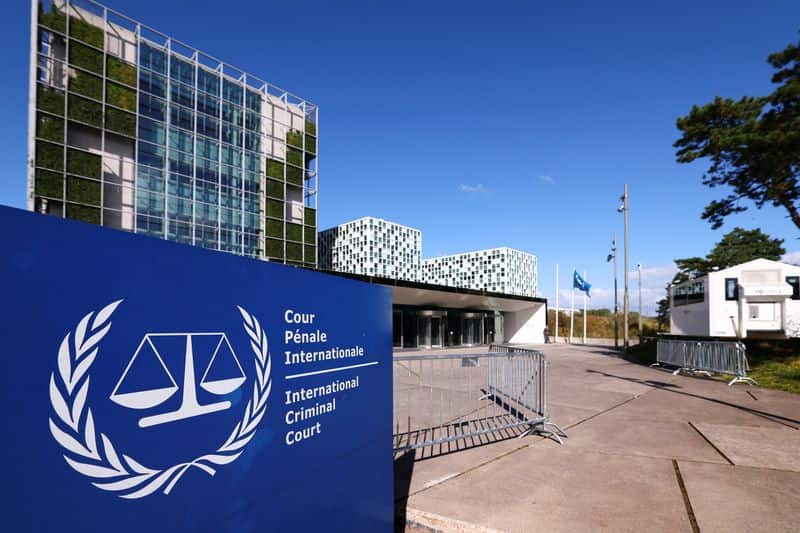
Key facts
- Four U.S. human rights groups have sued the Trump administration over sanctions against the International Criminal Court (ICC).
- The groups claim the sanctions are illegal and violate constitutional rights, including First and Fifth Amendment protections.
- The sanctions target individuals assisting ICC investigations into US citizens or allies, freezing assets and restricting access.
- The lawsuit challenges the legal basis for the sanctions, calling it a 'pseudo national emergency'.
- The Trump administration has previously sanctioned Palestinian human rights organizations and officials.
- The US and Israel are not state parties to the Rome Statute that established the ICC.
Four U.S.-based human rights organizations have filed a lawsuit against the Trump administration, challenging sanctions imposed on the International Criminal Court (ICC) and its officials. The groups, including the American Friends Service Committee, the Center for Constitutional Rights, Human Rights Watch, and the Open Society Institute, have labeled the sanctions as "blatantly illegal" and a violation of constitutional rights.
The lawsuit asserts that the sanctions force the organizations to curtail human rights and legal work, infringing upon their First and Fifth Amendment rights and the Religious Freedom Restoration Act. This action follows an executive order signed by President Donald Trump in late January 2025, shortly after he assumed office, aimed at dismantling the ICC over its investigations into top Israeli officials.
British barrister Karim Khan, the ICC's former chief prosecutor, was the sole individual named in the sanctions, which freeze assets, restrict international banking access, and prohibit entry into the US for those who assist in ICC investigations of US citizens or allies. The executive order was issued shortly after a visit by Israeli Prime Minister Benjamin Netanyahu, who faces ICC arrest warrants for alleged war crimes in Gaza.
Previous legal challenges against the Trump administration's ICC sanctions include a lawsuit filed by advocates for Palestinian rights. The current lawsuit argues that the presidential powers to sanction the ICC are based on a "pseudo national emergency" lacking factual basis. The plaintiff organizations stated that the sanctions impede their ability to represent victims of war crimes, make legal submissions, and collaborate with human rights groups.
The Trump administration had previously sanctioned several Palestinian human rights organizations and officials from the Palestinian Authority and Palestine Liberation Organization for their work in bringing cases against Israel to international courts. Trump stated that the ICC had engaged in "illegitimate and baseless actions targeting America and our close ally Israel."
Neither the US nor Israel are state parties to the Rome Statute, the treaty establishing the ICC. They have challenged the court's jurisdiction over alleged Israeli crimes in Palestine, arguing that Israel is best placed to investigate itself under the principle of complementarity. Senator Marco Rubio has publicly stated the administration's intent to "dismantle the [International Criminal Court] brick by brick."
The European Union has warned that Trump's order could significantly impact the ICC's work across its various investigations. In a related development, the new Venezuelan government withdrew from the ICC, a move praised by the US State Department, which characterized the ICC as "corrupt and worthless."