Key facts
- US law enforcement agencies are concerned Meta's smart glasses could be used for covert recording inside jails and police facilities.
- NYPD issued a memo identifying Ray-Ban Meta glasses as a security and counterintelligence threat.
- Concerns include exposing cell layouts, camera placements, and officer routines.
- A TikTok video showed the interior of a South Carolina detention center, with detainees unaware they were being filmed.
- Maine's fusion center noted that some smart glasses can use AI software, including facial recognition, potentially leading to doxing of officers.
- ICE has banned its employees from wearing smart glasses in federal workspaces, classifying them as body-worn cameras.
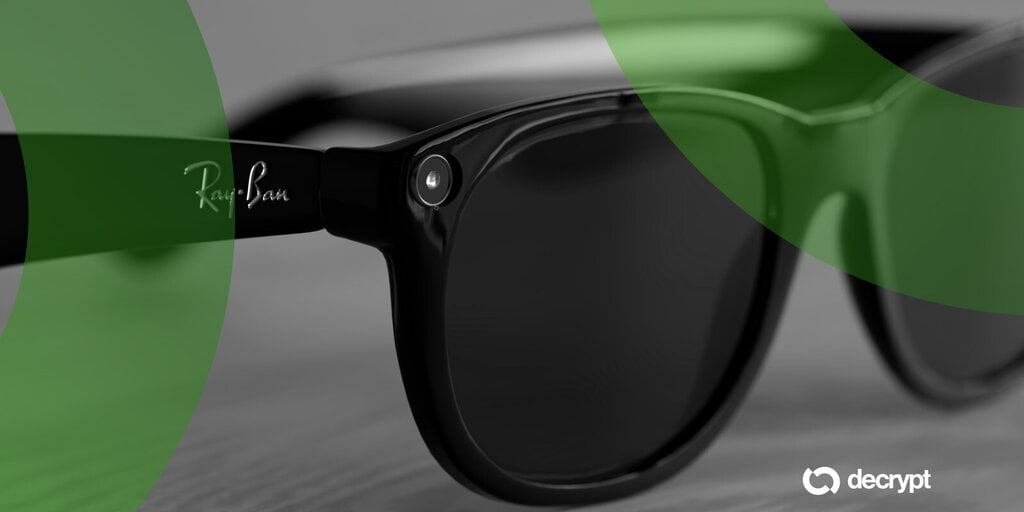
Law enforcement agencies across the United States are increasingly concerned about the potential misuse of Meta's smart glasses, particularly the Ray-Ban Meta model, which are equipped with cameras and microphones.
A January memo from the New York Police Department’s counterterrorism unit warned officers of a new security and counterintelligence threat, directing them to inspect eyewear in inmate cells. The memo cited instances where individuals arrested could use the discreet glasses to record inside police facilities, potentially compromising proprietary information about cell layouts, camera placements, or officer routines.
Documents reviewed by The Guardian reveal that law enforcement agencies from Maine to California share these worries. They fear the technology could be used to secretly record officers and facilities or to assist in the planning and execution of crimes and acts of terrorism. One video posted to TikTok in July 2025 showed a South Carolina detention center, revealing details of cells and detainee activities, seemingly without the knowledge of those filmed.
Despite detention facilities typically confiscating recording devices, some Meta smart glasses have gone unnoticed due to their resemblance to regular eyewear. The glasses feature a small blinking light when recording, but this can be missed or obscured. The NYPD's memo highlighted that the glasses can appear as ordinary prescription eyewear.
Concerns extend beyond law enforcement, with privacy experts and the public dubbing the glasses "pervert glasses" due to their ability to record without consent. Documents obtained by Property of the People indicate that law enforcement agencies are as worried about being filmed as the public, with some suggesting this reflects a desire for exclusive surveillance rights.
Memos from fusion centers nationwide, including in Maine, San Diego, Tennessee, Virginia, and New York, express worries about smart glasses enabling surveillance and other nefarious activities. The Maine document noted that some smart glasses can leverage AI software, including facial recognition, which could lead to doxing or connections to law enforcement officers.
These fears have led federal agencies to prohibit their employees from using such devices in the workplace. In August 2025, ICE stated that smart glasses qualify as body-worn cameras and cannot be worn in the "federal workspace," as they could unintentionally capture sensitive information.
Meta spokesperson Dina El-Kassaby stated that the glasses are designed to be noticed, pointing to the light that blinks while they record.