Key facts
- New York City Mayor Zohran Mamdani released 170,000 documents related to air quality after the 9/11 attacks.
- The documents indicate that asbestos was found 'nearly everywhere' tested near Ground Zero.
- Officials had concerns about air quality soon after the attacks, even while assuring the public the air was safe.
- Illnesses linked to the 9/11 dust and smoke have resulted in more deaths than the attacks themselves.
- The document release was prompted by a lawsuit from advocacy group 9/11 Health Watch.
- An October 2001 memo warned of potential lawsuits if individuals returned to the area too soon due to health advisories.
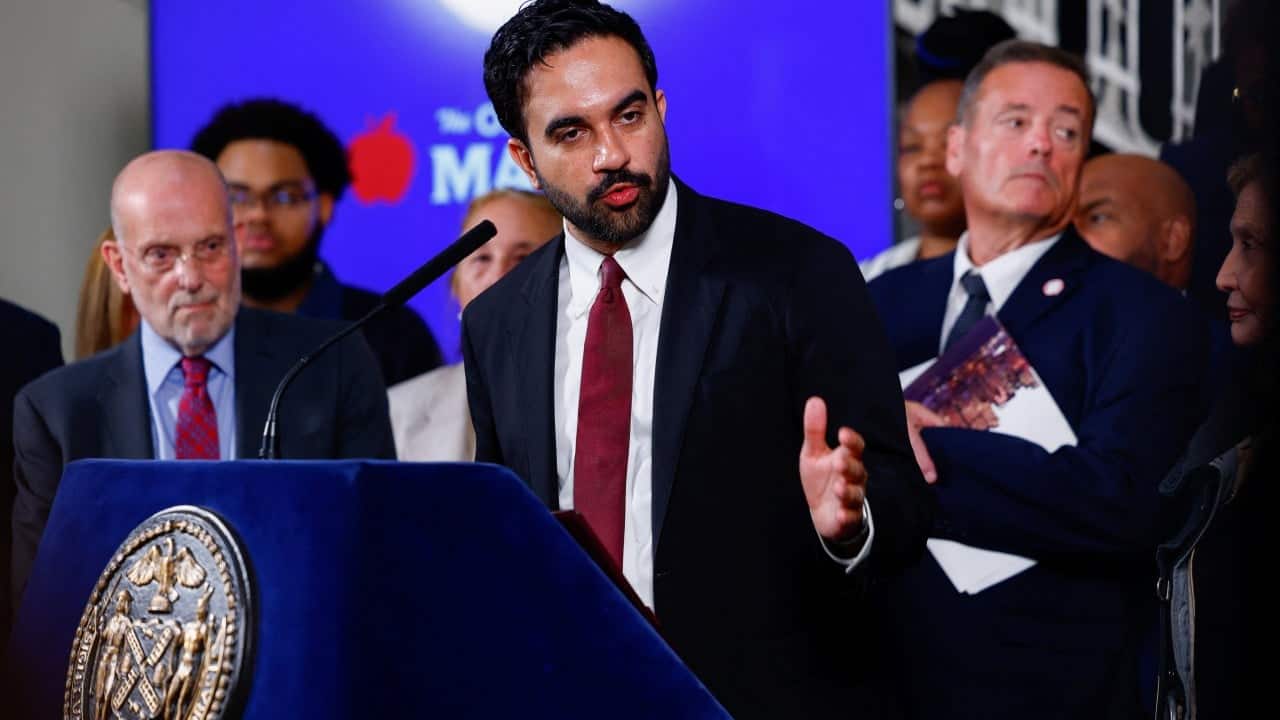
New York City Mayor Zohran Mamdani has released a significant trove of 170,000 documents that reveal officials harbored concerns about air quality in Manhattan in the immediate aftermath of the September 11, 2001, attacks, despite public assurances that the air was safe to breathe.
The documents indicate that asbestos was found "nearly everywhere" the city tested near Ground Zero, the site of the collapsed World Trade Center towers. Mamdani stated that illnesses related to the toxic dust and smoke from the collapse have claimed more lives than the attacks themselves, attributing this to leaders who allegedly lied about the safety of the air.
This release fulfills a requirement stemming from a lawsuit filed by the advocacy group 9/11 Health Watch. City officials located 68 boxes of these documents last year, contradicting previous statements that they were unavailable. Mamdani pledged transparency, contrasting his administration's approach with previous ones that he claimed ignored calls for answers.
Television host and 9/11 survivor advocate Jon Stewart, present at the news conference, sarcastically noted the 25-year delay in releasing the information. The documents include a memo from October 2001, known as the "Harding Memo," which warned former Deputy Mayor Robert Harding of potential lawsuits, estimating as many as 35,000 claims could arise from the city's response, particularly if health advisories caused individuals to return to the area prematurely.
In the days following the attacks, city and federal officials, including the U.S. Environmental Protection Agency (EPA), had declared the air near the Twin Towers safe. However, research suggests toxic chemicals were present. Christine Todd Whitman, who led the EPA at the time, later apologized, stating the agency acted with the knowledge available then. Former FDNY emergency medical technician Elizabeth Cascio recounted experiencing sinus issues and headaches, and feeling the air was toxic and unsafe to breathe upon responding to the attacks.