Key facts
- US manufacturers in the Rust Belt are facing significant electricity cost increases.
- The surge in electricity costs is driven by high demand from data centers, particularly those supporting AI.
- Capacity charges, paid to power generators for peak usage, have dramatically increased in the PJM Interconnection region.
- Some manufacturers are experiencing bill increases of up to 90%, impacting profit margins.
- The rising costs threaten the viability of some factories and could undermine US manufacturing initiatives.
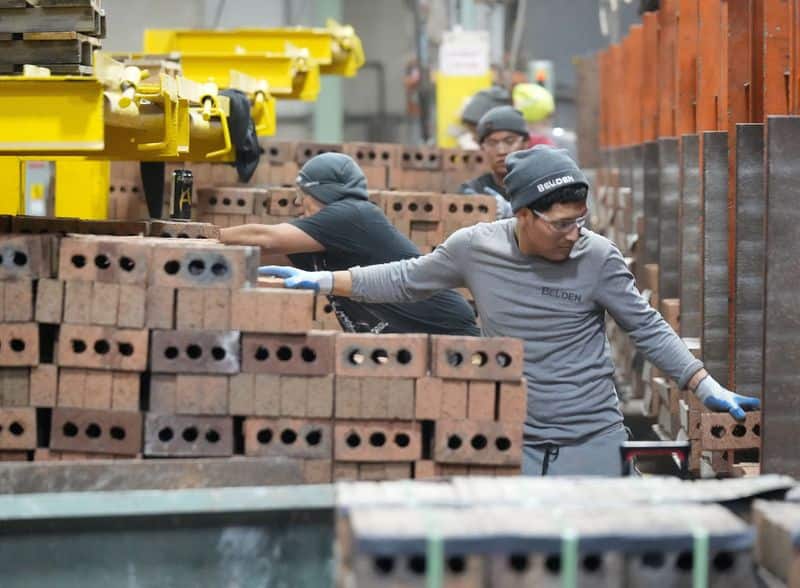
Manufacturers in the US Rust Belt are grappling with significantly increased electricity bills, primarily due to the proliferation of power-intensive data centers serving the artificial intelligence industry. Companies like Belden Brick, a 141-year-old manufacturer, have seen their monthly electricity costs surge by as much as 90%, largely driven by escalating capacity charges. These capacity charges, designed to ensure the power grid can meet peak demand, represent a larger portion of industrial bills compared to residential ones. In the 13-state region covered by grid operator PJM Interconnection, these fees have soared due to stagnant supply and the high demand from data centers, which can consume as much electricity as a mid-sized town. This has led to emergency measures to prevent blackouts and threatens the viability of some factories. In response to consumer anger and grid stability concerns, governments are pushing Big Tech companies to contribute more to grid infrastructure. However, some proposed solutions risk burdening smaller manufacturers alongside tech giants like Meta and Amazon. Manufacturers are advocating for exemptions from new regulations and are exploring alternatives such as onsite power generation to mitigate costs and ensure competitiveness. Data center industry advocates argue that their expansion is spurring much-needed investment in the electric grid, citing factors like power plant retirements and transmission constraints as other drivers of cost increases. Meanwhile, manufacturers are raising prices, considering relocation, or adjusting production schedules to cope with the financial strain.