Key facts
- US lawmakers are considering a ban on diesel exports to address record-high prices.
- President Donald Trump has expressed openness to the idea of a diesel export ban.
- Experts warn a US diesel export ban could worsen global supply shortages and drive prices higher.
- US refineries produce more diesel than the country consumes, with prices influenced by global markets.
- Global diesel prices are affected by supply disruptions from the Iran war, refinery outages, and reduced exports from Russia and China.
- A ban could temporarily lower prices for some US consumers but potentially increase them for others, especially on the West Coast.
- Disruptions to diesel supply for Latin American countries could impact US food supply chains.
- Rep. Tim Burchett (R-TN) has proposed legislation for a diesel export ban.
Momentum is building in Washington for a ban on US diesel exports as prices at the pump reach record highs. Several lawmakers, including Rep. Tim Burchett (R-TN) and Iowa Republicans Sen. Chuck Grassley and Rep. Ashley Hinson, have called for an embargo on US diesel exports. President Donald Trump has indicated his administration is considering the move, stating on Tuesday, September 23, 2026, that he has called for it.
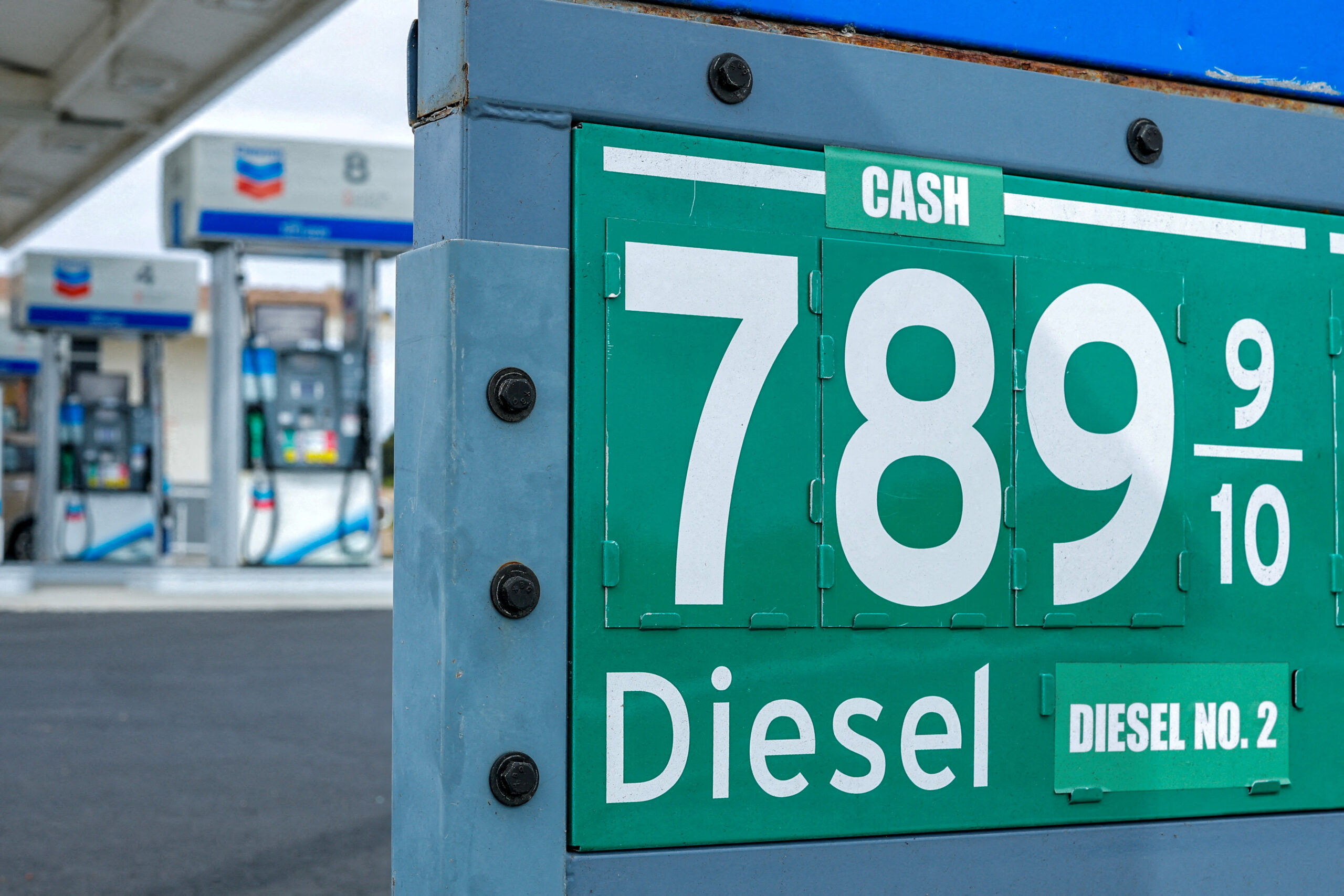
Average diesel costs hit a record $6.53 a gallon on Tuesday, up 77% from a year ago, according to AAA data. This surge is particularly painful for farmers and small businesses. Rep. Burchett has introduced legislation that would ban diesel exports through January 2027 or trigger a ban when the national average price hits $5 per gallon.
However, energy experts warn that a diesel export ban could create more problems than it solves. They argue that the US exports diesel because domestic refineries produce more than the country consumes, and global market prices are influenced by production and shipping disruptions, including those related to the Iran war and the Russia-Ukraine war. Russia's own ban on diesel exports has already removed significant supply from the international market.
Experts suggest that barring US refiners from selling diesel overseas could exacerbate the global shortage, potentially driving prices higher. While a ban might temporarily lower prices for some US consumers, particularly in the Midwest and Gulf Coast, it could lead to higher prices for others, especially on the West Coast, which relies on imports. Second- and third-order consequences, such as disruptions to Latin American agricultural supply chains and potential impacts on AI development, are also being considered.