Key facts
- The U.S. and China agreed on tariff relief for $30 billion of nonsensitive goods each.
- The agreement was announced after a summit between President Trump and President Xi in Washington.
- The tariff reduction framework originated at the May 2026 Beijing summit.
- The scope of the tariff reduction is narrow, affecting approximately 5% of the $585 billion in annual two-way trade.
- The current tariff truce between the U.S. and China expires on November 10, 2026.
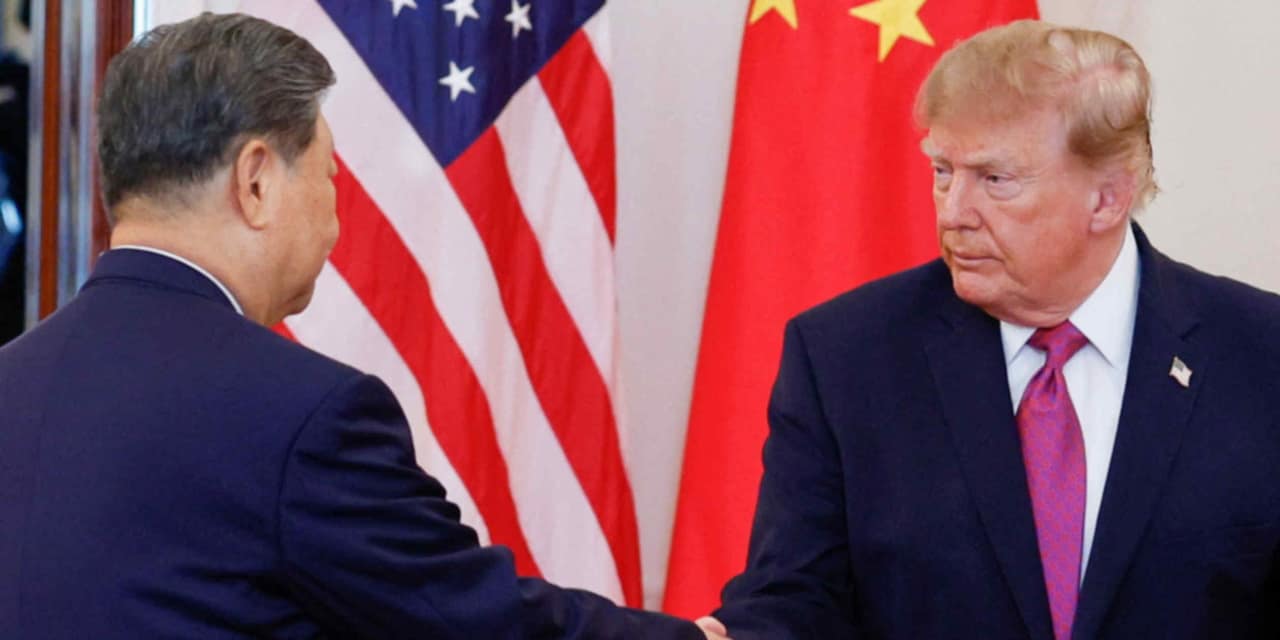
The U.S. and China have reached an agreement on tariff relief for approximately $30 billion of non-sensitive goods traded between the two nations. The White House announced late Friday that the two countries agreed on recommendations for "more favorable tariff treatment" covering this volume of products, shortly after Presidents Donald Trump and Xi Jinping concluded a summit in Washington on September 24, 2026.
The framework for these reciprocal tariff reductions originated at the May 14-15, 2026 Beijing summit, where Trump and Xi agreed to establish a U.S.-China Board of Trade. Negotiators have been working to finalize the tariff component of this agreement. Chinese Commerce Ministry spokesperson Huang Ling confirmed on September 10, 2026, that negotiators were consulting on the $30 billion reciprocal tariff reduction framework arrangement with the aim of early implementation.
Treasury Secretary Scott Bessent explained the logic behind the framework in June 2026 Senate Finance Committee testimony, stating the goal was to identify $30 billion of "non-critical things." The U.S. Trade Representative's office (USTR) opened a public consultation on June 2, 2026, seeking input on which "non-sensitive" products could qualify for reduced duties, with initial comments closing July 10 and rebuttal comments due July 27.
While this agreement offers some relief, its scope is limited. The $30 billion represents about 5% of the total annual two-way trade of approximately $585 billion. The current tariff truce between the U.S. and China is set to expire on November 10, 2026. USTR Ambassador Jamieson Greer has indicated that the administration reserves the right to increase China's tariff rates if talks falter, and ongoing investigations into issues like structural overcapacity and forced labor could lead to additional tariffs.