UNC deputy commander stresses careful, transparent approach after DMZ mine blast
IN SHORT
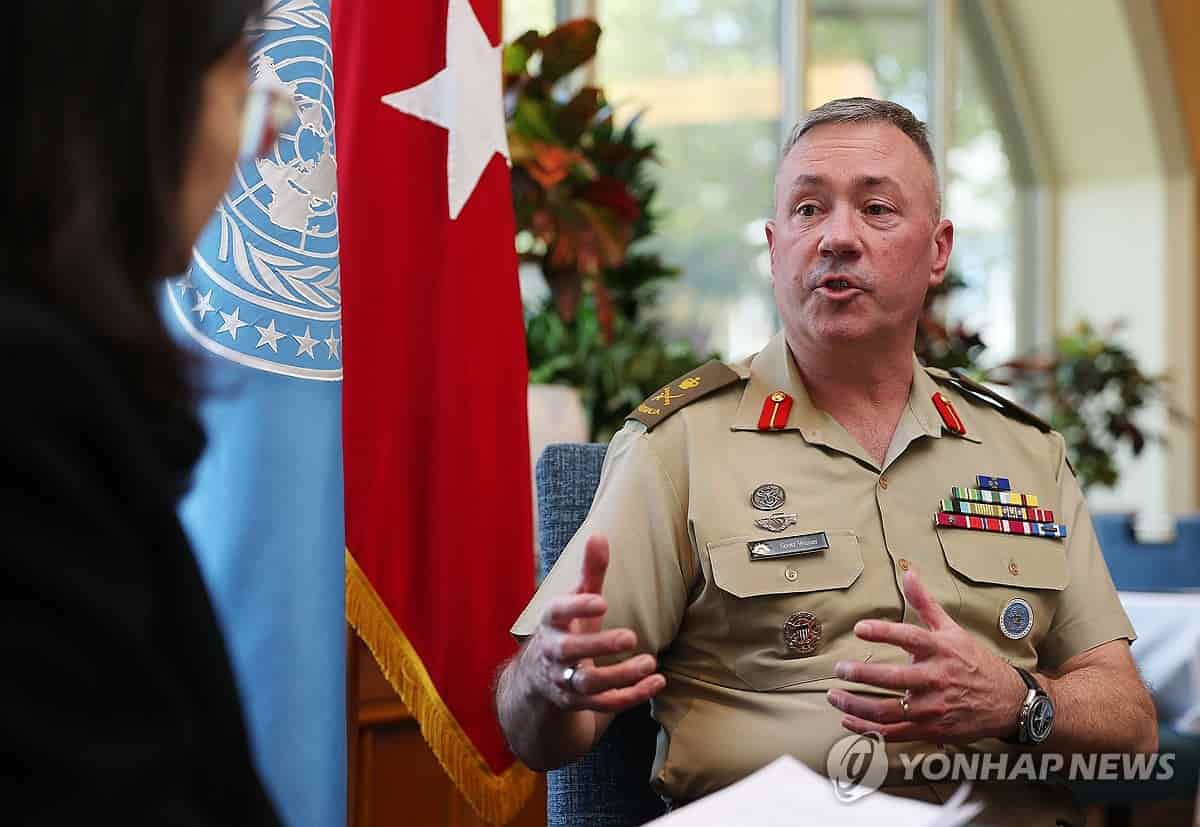
The deputy commander of the UN Command, Lt. Gen. Scott Winter, emphasized the need for careful and transparent planning and communication following a Sept. 21 mine blast in the DMZ that injured three South Korean soldiers. Winter stated this approach is crucial to prevent incidents and avoid escalation.
Key Numbers
3South Korean soldiers injured in DMZ mine blast
2South Korean soldiers severely injured
2kilometers north and south of the border line for the DMZ buffer zone
2times a day the UNC communicates with the North Korean military
Who's Involved
Scott Winter
deputy commander of the U.S.-led United Nations Command
United Nations Command
responsible for administering and maintaining the Military Demarcation Line and DMZ buffer zone
Korean People's Army
referred to by Winter for communication purposes
↳ Why This Matters
The remarks by the UNC deputy commander underscore the delicate security situation on the Korean Peninsula and the importance of clear communication channels between the UN Command and North Korea to prevent miscalculation and potential escalation following border incidents.