Key facts
- Global temperatures are projected to surpass 1.5 degrees Celsius above pre-industrial levels within the next few years.
A new UN Environment Programme report indicates global temperatures are on track to exceed 1.5 degrees Celsius within the next few years, potentially reaching 1.8C even in optimistic scenarios. The report urges faster emissions reductions to minimize the overshoot.
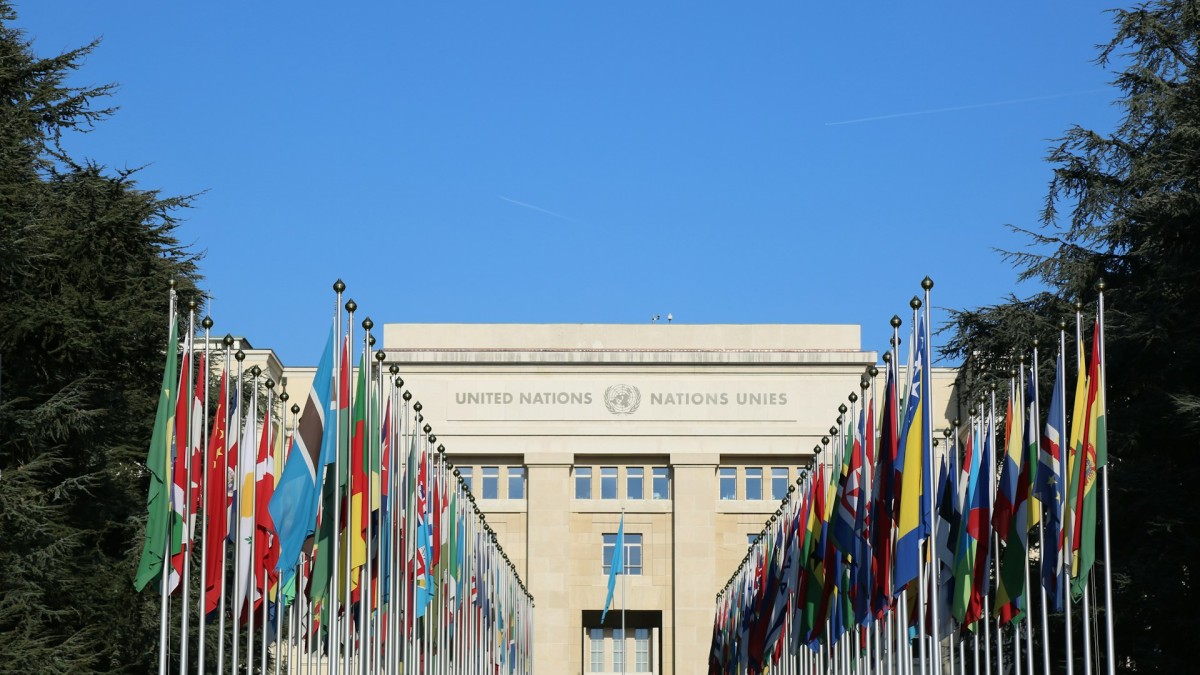
The UN report signifies a critical juncture in climate change, indicating that a key global warming threshold may be breached within years, with potentially dangerous and far-reaching consequences for ecosystems and human societies worldwide.
Global temperatures are on track to exceed the critical 1.5 degrees Celsius threshold above pre-industrial levels within the next few years, according to a new report from the UN Environment Programme (UNEP). The 'Limiting Overshoot' report indicates that even in the most optimistic scenarios, where all national climate plans are fully implemented and net-zero targets are met, the peak temperature rise is expected to reach 1.8°C.
The UN stated that global action to cut greenhouse gas emissions has not been swift enough to prevent crossing the 1.5°C mark. This trajectory means the Paris Agreement's long-term goal of limiting warming to below 1.5 degrees will likely be out of reach. Under current policies, the median projection shows global warming reaching approximately 2.6°C by 2100, with a potential range of 1.9°C to 3.6°C.
UN Secretary-General António Guterres emphasized that the climate impacts associated with a 1.5°C warmer world are already severe, citing recent scorching heatwaves, raging wildfires, and deadly floods as warnings of what lies ahead. He urged for even faster emissions reductions to make any overshoot as small and short as possible.
The report also highlighted the strain extreme weather is placing on energy systems. Europe's power generation has been affected by summer heatwaves, with record-low river levels forcing the shutdown of nuclear capacities and limiting hydropower generation in countries like France and Romania. In Romania, a coal-fired power plant was reportedly restarted to compensate for lost nuclear output due to low water levels on the Danube River.
Pick the topics you care about. Get only what matters, on your cadence.