Key facts
- Failure to agree on a UN-backed plan for moving fertilizer through the Strait of Hormuz could cause a food security crisis.
- The UN taskforce for fertilizer passage through Hormuz has yet to implement its plan.
- An agreement between the US and Iran could activate the UN plan within 7-10 days.
- Missing the planting season could lead to significant price increases for cereals, oil crops, and animal products.
- The proposed operation would use a coordination center in Oman for safe passage and cargo verification.
- The passage of five vessels per day through Hormuz could maintain fertilizer supplies.
A failure by the United States and Iran to agree within weeks on a UN-backed plan for moving fertilizer through the Strait of Hormuz could cause a food security crisis in parts of Asia and Africa, according to Jorge Moreira da Silva, an official overseeing the proposed scheme.
The United Nations established a taskforce in March to facilitate passage of fertilizers through the strait. Moreira da Silva stated that the mechanism could be activated within 7-10 days of an agreement between Washington and Tehran. He emphasized the urgency, saying, "It's absolutely crucial to get the deal in the next few weeks. Otherwise, we will miss the planting season."
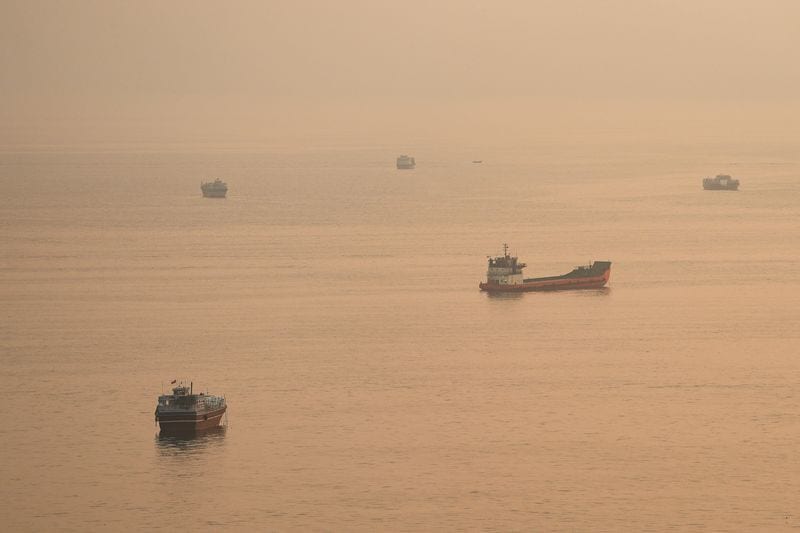
Iran has reportedly sought to control the Strait of Hormuz, a vital chokepoint for global trade. Before recent conflicts, the waterway handled approximately one-third of globally traded urea and nearly half of seaborne sulphur. Fertilizer shipments out of the Gulf region have remained largely halted for over six months, according to the International Food Policy Research Institute.
An August report by the International Chamber of Commerce suggested that continued disruption in Hormuz could lead to price increases of up to 81% for cereals, 66% for oil crops, and 30% for animal products. Moreira da Silva noted that missing the planting season would significantly reduce agricultural productivity and drive up prices.
The proposed UN mechanism involves a coordination center in Oman to register vessels and ensure safe passage, with UN monitors verifying cargo loading. Moreira da Silva indicated that the passage of just five vessels per day could maintain sufficient fertilizer supplies. Efforts to reopen the Strait of Hormuz have stalled due to disagreements over conditions and Iran's nuclear program.
Beyond the Hormuz situation, threats to global food security are compounded by a deteriorating situation in the Black Sea region and attacks by Houthi militants along a key Red Sea shipping route, creating a concentration of maritime chokepoint disruptions.