Key facts
- Tomas Fiala, CEO of Dragon Capital, has spent 30 years doing business in Ukraine.
- He identifies the rule of law and the judicial system as the main obstacles to foreign direct investment in Ukraine.
- Fiala states that Ukraine has attracted approximately four times less foreign direct investment than Poland over the past 30 years.
- Dragon Capital now prioritizes acquiring majority stakes in businesses after negative experiences with minority ownership.
- The composition of Dragon Capital's fund investors has shifted dramatically, with IFIs now comprising 90% of its investor base, up from 10% pre-invasion.
- Dragon Capital is participating in the European Flagship Fund for the Reconstruction of Ukraine, which offers a first-loss guarantee to de-risk investments for private capital.
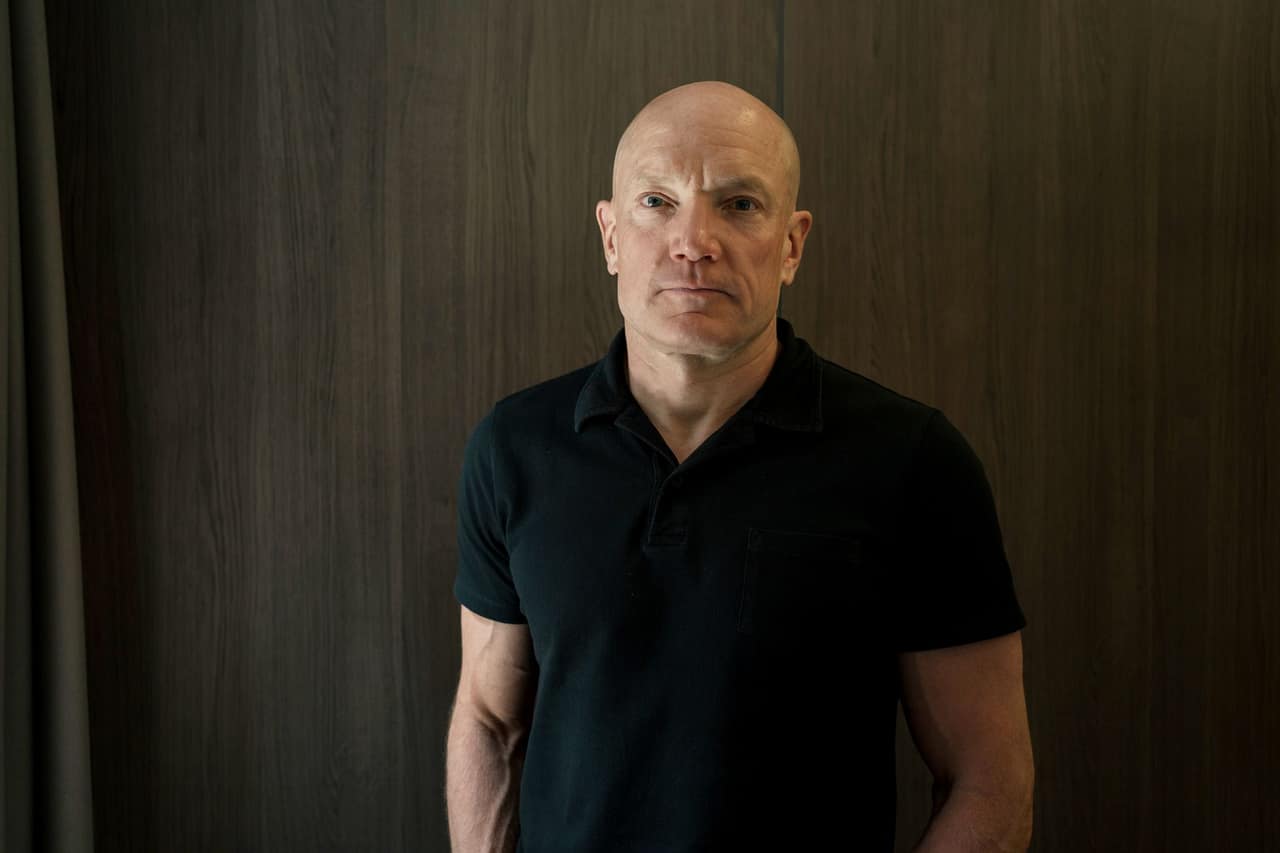
Tomas Fiala, CEO and founder of Dragon Capital, one of Ukraine's largest investment firms, has observed that despite increasing interest, foreign direct investment in Ukraine remains hindered by persistent issues with the rule of law and the judicial system. Marking 30 years of business in Ukraine, Fiala stated that these concerns, which predate the full-scale invasion, have only been compounded by security risks.
Fiala highlighted that the difficulty in obtaining fair judgments in Ukrainian courts and the tendency of law enforcement agencies to pressure businesses are significant deterrents. He noted that this has led many companies, including Dragon Capital, to structure agreements offshore, utilizing EU jurisdictions and English law. Despite these challenges, Fiala acknowledged significant progress since 2015, particularly in areas like public procurement through the Prozorro system and digitalization, which have reduced opportunities for corruption. However, he still benchmarks Ukraine as lagging behind Central European countries like Poland and the Czech Republic.
Dragon Capital's investment strategy has evolved; the firm now exclusively acquires majority stakes in businesses, a lesson learned from past negative experiences with minority ownership. The composition of its investor base has also undergone a substantial shift since the full-scale invasion, moving from approximately 90% private investors to 90% international financial institutions (IFIs). While private investors remain cautious until the war concludes, the Eurobond market has shown activity. To further stimulate private capital, Dragon Capital is participating as the first private investor in the European Flagship Fund for the Reconstruction of Ukraine, which employs a first-loss guarantee structure to de-risk investments.