Key facts
- Ukraine's Embassy in Poland called the graffiti a Russian provocation aimed at undermining trust and weakening support for Ukraine.
- The embassy urged Ukrainians in Poland to refuse offers of "easy money" for painting graffiti or damaging property.
- Warsaw police confirmed reports of vandalism at both monuments and said the perpetrators had not been identified.
- TVN24 reported the same inscription appeared on three monuments in Gdynia earlier in November.
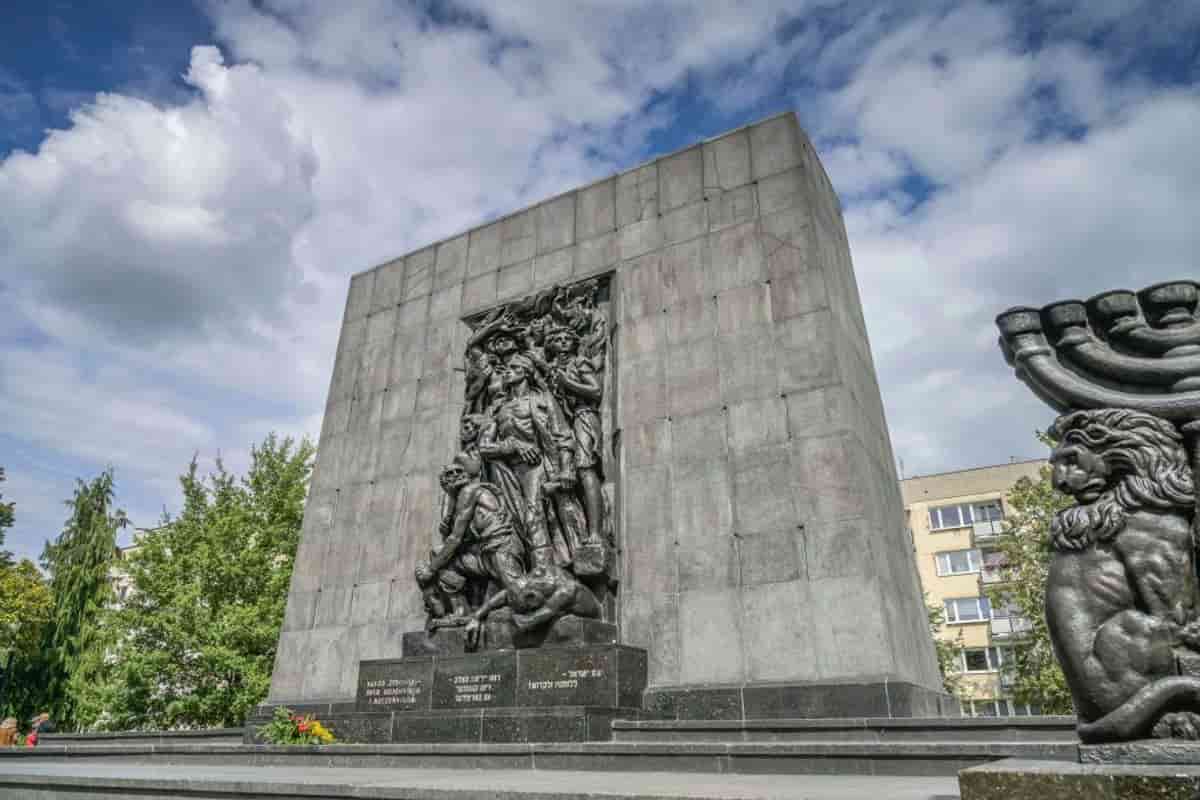
Ukraine's Embassy in Poland condemned red graffiti painted on two historic monuments in Warsaw, calling the vandalism an act of Russian hybrid warfare aimed at fueling tensions between Ukrainians and Poles. The embassy issued its statement on November 15, a day after Polish broadcaster TVN24 reported the incident.
Inscriptions reading "Slava UPA" ("Glory to the Ukrainian Insurgent Army") appeared on the Monument to the Heroes of the Warsaw Ghetto near the POLIN Museum of the History of Polish Jews and on the Monument to soldiers of the First Polish Army in Warsaw's Muranow district, TVN24 reported on November 14. Warsaw police confirmed receiving reports of vandalism at both monuments and said they were investigating; the perpetrators have not been identified.
The embassy said the act was "a manifestation of the hybrid warfare that Russia is attempting to wage by every means possible in European countries, particularly Poland," and urged Ukrainians living in Poland not to accept offers of "easy money" in exchange for painting graffiti, damaging property or carrying out other illegal tasks. "Ukrainian-Polish solidarity is our shared strength. Let us not allow the enemy to destroy it," the embassy said.
According to TVN24, the same inscription appeared on three monuments in the Polish city of Gdynia earlier in November. The UPA was at the center of a diplomatic spat between Kyiv and Warsaw earlier this year, triggered in May when President Volodymyr Zelensky named a military unit after it. In Ukraine, the UPA is remembered primarily for its fight for Ukrainian independence during and after World War II; in Poland, it is mainly remembered for its role in the 1943-1945 Volyn massacres, a mass killing of tens of thousands of Poles in what is today western Ukraine, then under Nazi occupation. Thousands of Ukrainians were killed in retaliatory attacks.