Key facts
- Ukraine has conducted a sustained drone campaign against Russian shipping in the Sea of Azov.
- As of July 14, 116 Russian vessels have been attacked in nine days.
- The operation, named "MoLoChKa," targets military and commercial vessels, including oil tankers, dry cargo ships, ferries, and tugboats.
- The campaign aims to isolate Crimea and disrupt Russia's military logistics and export routes.
- Shipping data indicates a significant decline in maritime traffic in the Sea of Azov.
Ukraine has launched a sustained drone campaign against Russian shipping in the Sea of Azov, targeting 116 vessels in nine days as part of an effort to isolate Crimea and disrupt Moscow's military logistics and export routes.
The operation, led by Ukraine's Unmanned Systems Forces and dubbed "MoLoChKa," aims to cripple Russia's maritime transport network. Targets include oil tankers, dry cargo ships, ferries, and tugboats. Commander Robert "Madyar" Brovdi stated that disabling Russia's feeder fleet, which transfers oil to larger tankers, could effectively halt oil exports through the Volga-Don Canal and the Sea of Azov.
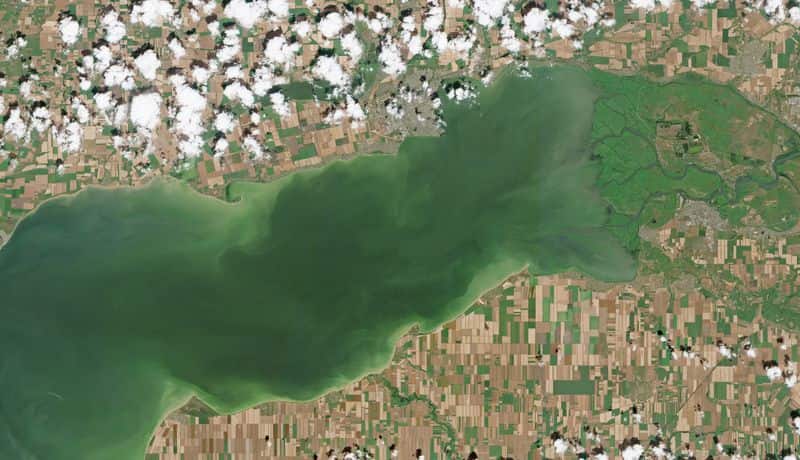
The Sea of Azov is a critical maritime corridor linking southern Russia to the Black Sea via the Kerch Strait, used for transporting oil, grain, steel, and other commodities, as well as for military supply routes to occupied southern Ukraine. The campaign has already led to temporary suspensions of navigation through the Don-Azov Canal and is estimated to affect about a quarter of Russia's normal wheat exports through the region.
Analysts suggest the strikes are part of a broader strategy to isolate Crimea by disrupting its logistics network, affecting fuel supplies and military operations. The targeting of commercial shipping also aims to impose wider economic costs on Russia.
Early indications suggest the campaign is impacting Russian maritime activity. Analysis of Automatic Identification System (AIS) data shows a significant decline in vessel traffic and altered operating patterns, with ships clustering closer to ports and coastlines.