Key facts
- Ukraine and Moldova have officially begun the first phase of EU membership negotiations.
- The accession talks commenced in Luxembourg on June 15.
- The initial focus of negotiations is on chapters related to rule of law and democracy.
- An agreement on Hungarian minority rights was formalized between Ukraine and Hungary, resolving a prior obstacle.
- The process involves negotiating 35 'chapters' of EU law.
Ukraine and Moldova have officially begun the first phase of their European Union membership negotiations, a significant symbolic and substantive step for both nations. The process was launched in Luxembourg on June 15, marking the start of talks on key chapters of the EU rulebook, beginning with rule of law and democracy.
This development follows their rapid acceptance as EU candidate countries in 2022. While a decision to open talks was made in June 2024, substantive negotiations were initially delayed by Hungary. However, following the election of a new Hungarian government in April, EU member states unanimously agreed to proceed with the "first cluster" of negotiations.
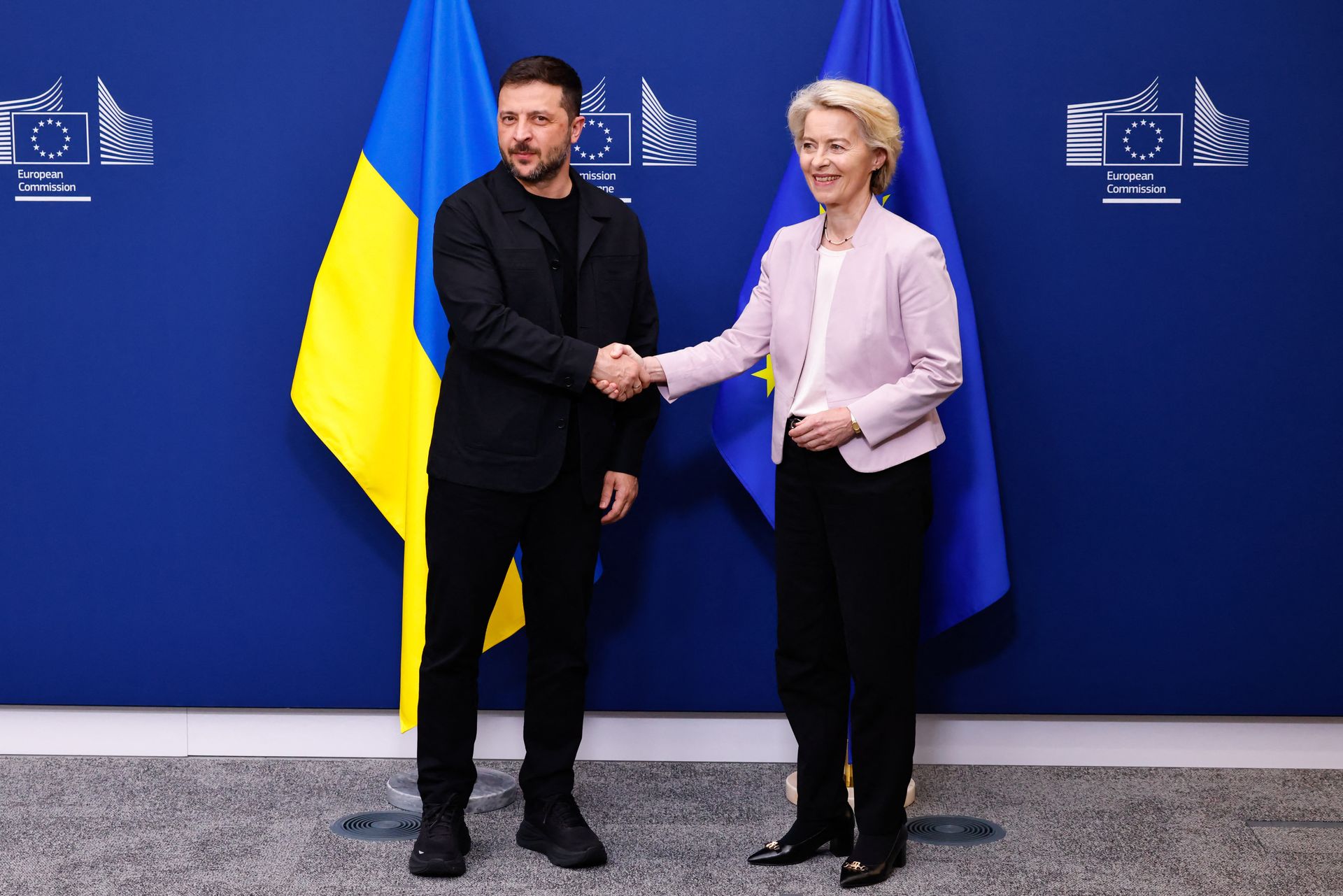
European Commission President Ursula von der Leyen and European Council President Antonio Costa lauded the determination and reform efforts of both Ukraine and Moldova. Ukrainian President Volodymyr Zelenskyy described the opening of the first cluster as crucial political and moral support, emphasizing that Ukraine is defending not only itself but all of Europe. He also congratulated Moldova on advancing alongside Ukraine.
Hungarian Prime Minister Peter Magyar announced that an agreement on Hungarian minority rights had been formalized between Ukraine and Hungary, which had been a primary obstacle. Deputy Prime Minister Taras Kachka described the opening of the first cluster as "another milestone on Ukraine's path to the EU."
Despite the fanfare, the path to full membership remains long and complex. Negotiating through 35 "chapters" covering diverse areas like environment, agriculture, justice, and security will take considerable time. Furthermore, any member state can potentially slow down the process. German Chancellor Friedrich Merz has proposed an "associate member" status for Ukraine as an interim solution, a proposal met with scepticism by Ukraine.