Key facts
- Turkish authorities detained over 100 people during anti-NATO protests.
- More than 100 additional individuals were arrested in anti-terror raids in Ankara.
- A ban on demonstrations in Ankara was in effect until July 10.
- Comedian Deniz Göktaş was arrested on charges of insulting the president and denigrating religious values.
- A cruise ship catering to LGBTQ+ passengers was denied docking in Aydın.
- Journalists Buse Söğütlü and Ceren Erdoğdu were arrested.
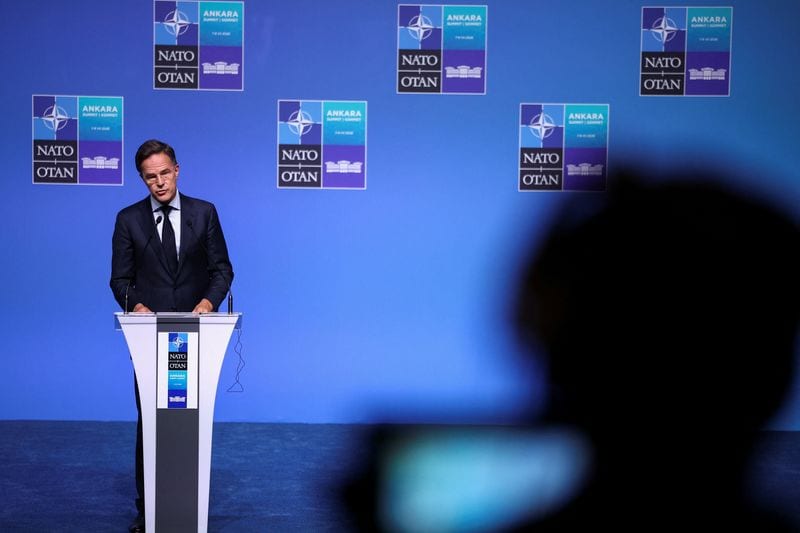
- NATO Secretary General Mark Rutte highlighted the significance of democratic rights, including freedom of assembly and media, in light of the detentions.
Turkish authorities have intensified a crackdown on public life, arresting over 200 people in raids and detentions ahead of the NATO summit in Ankara. The actions include jailing a comedian and blocking a cruise ship carrying LGBTQ+ passengers from docking. A ban on demonstrations in Ankara was in place until July 10. Human Rights Watch criticized the situation as evidence of Turkey’s “ruthless intolerance of freedom of speech and assembly.”
Comedian Deniz Göktaş was arrested and charged with “insulting the president” and “denigrating religious values” for remarks made in a show. In another incident, authorities in Aydın blocked a cruise ship operated by Atlantis, a company specializing in gay-friendly holidays, from docking, citing moral values. Reporters Without Borders has accused Turkey of using “all possible means… to undermine critics,” with prosecutions for criticizing President Recep Tayyip Erdoğan rising sharply. Two journalists, Buse Söğütlü and Ceren Erdoğdu, were arrested, with their lawyer suggesting a link to the NATO summit. Ezgi Onalan, head of the Istanbul branch of the Association of Contemporary Lawyers, was also detained.
Ankara’s prosecutor’s office stated that arrests in late June were intended to “decipher the action and activities of terrorist organisations,” with no evidence provided of crimes committed by those accused. Western leaders have largely avoided public criticism of Turkey's human rights record, focusing instead on security ties, which some critics believe emboldens authoritarian tendencies.