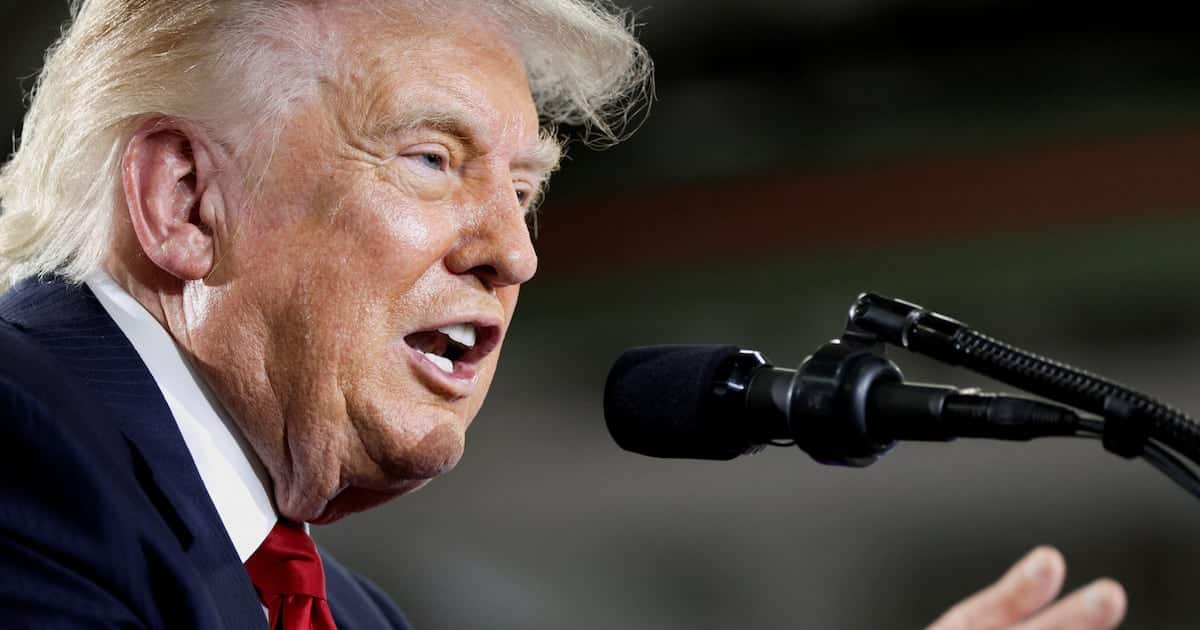
President Donald Trump hosted separate, high-stakes meetings with Ukrainian President Volodymyr Zelenskyy and Israeli Prime Minister Benjamin Netanyahu at the White House. White House Press Secretary Karoline Leavitt stated that both meetings were "positive and productive."
Netanyahu's visit marked his first to the Oval Office since the joint U.S.-Israel military campaign against Iran commenced. Discussions were expected to cover Iran, a framework deal between the U.S. and Israel with Lebanon, and a potential expansion of the Abraham Accords. Netanyahu also aimed to reassure Trump regarding U.S.-led diplomacy in Gaza and Lebanon.
Zelenskyy discussed licensing arrangements for Ukraine to manufacture its own Patriot missile interceptors and spoke with Trump about reinvigorating diplomatic processes. The converging visits offered a snapshot of a world in turmoil, with both leaders aware of Trump's erratic leadership and the potential for their relationships with the administration to be upended.
Netanyahu and Zelenskyy arrived in Washington on different trajectories. Netanyahu's influence has declined, marked by public scolding from Trump and exclusion from Iran negotiations. Conversely, Zelenskyy's standing has risen as Ukraine defied predictions of defeat and became a leader in drone warfare. The occasion for their coinciding visits was the funeral of Senator Lindsey Graham, a Republican hawk.
Trump's approach to the region has been characterized by attempts to extricate himself, while his proposed peace deals for Ukraine have echoed Moscow's talking points. Ukraine has demonstrated resilience despite reduced U.S. military aid, relying more on European support and its own expertise. Zelenskyy has found unexpected support from some far-right influencers.