Key facts
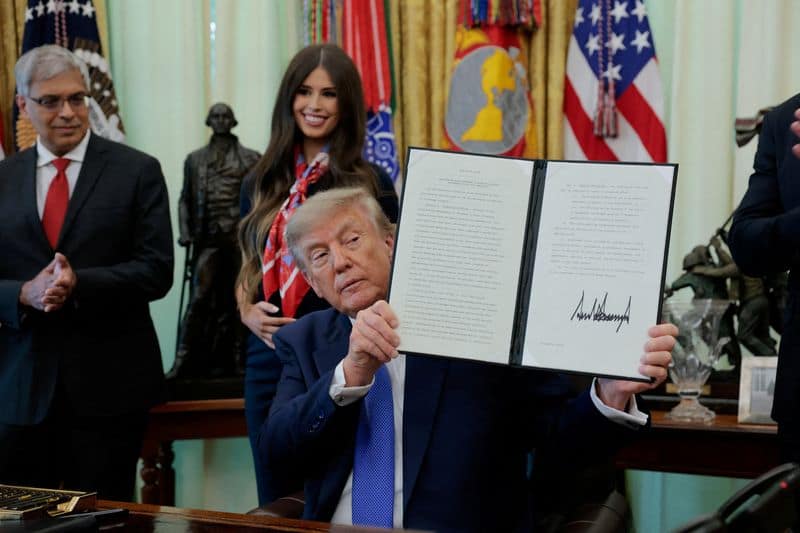
- President Donald Trump signed an executive order proposing changes to childhood vaccine schedules.
- The order suggests spacing out all childhood immunizations and separating the MMR vaccine into single-disease shots.
- Public health experts and medical groups have criticized the order, warning of increased risks and confusion.
- Trump falsely claimed children receive 72 vaccine injections, including adult doses and annual shots.
- Experts estimate splitting the MMR vaccine could take up to a decade due to licensing requirements.
- States, not the federal government, hold the authority to mandate vaccinations for schoolchildren.
President Donald Trump has signed an executive order advocating for changes to childhood vaccine recommendations, including spacing out immunizations and separating the measles, mumps, and rubella (MMR) vaccine into individual shots. This move, which Trump claims is a victory for parental rights and science, has been met with strong opposition from public health experts, doctors, and international health organizations.
Medical professionals warn that spacing out vaccines could lead to children being exposed to preventable diseases before completing their immunization schedule. They also emphasize that the MMR vaccine is already extensively studied and safe in its combined form, and that developing and licensing single-disease versions could take up to a decade. Trump's claims about the number of childhood vaccines and a potential link to autism have been widely debunked by scientific consensus.
The executive order also directs the health department to improve vaccine research and present a plan for separate MMR vaccines, though such single-disease options are not currently licensed in the U.S. While the order advises states to consider updating their school vaccine mandates, the authority to require vaccinations rests with individual states, not the federal government. This action places the newly confirmed CDC director, Dr. Erica Schwartz, in a challenging position, as legal experts suggest the President may have the power to supersede her recommendations.