Key facts
- President Trump announced a potential US-Iran deal aimed at preventing nuclear weapons and reopening the Strait of Hormuz.
- Trump stated the Strait of Hormuz will be 'permanently toll free' and reopening for business shortly.
- Former President Barack Obama expressed skepticism about the new deal's potential to improve upon the 2015 pact.
- An Israeli raid on Beirut's southern suburb killed three people and injured 16 others.
- US House Democratic leader Hakeem Jeffries criticized President Trump's Iran policy for undermining existing diplomacy and weakening the US.
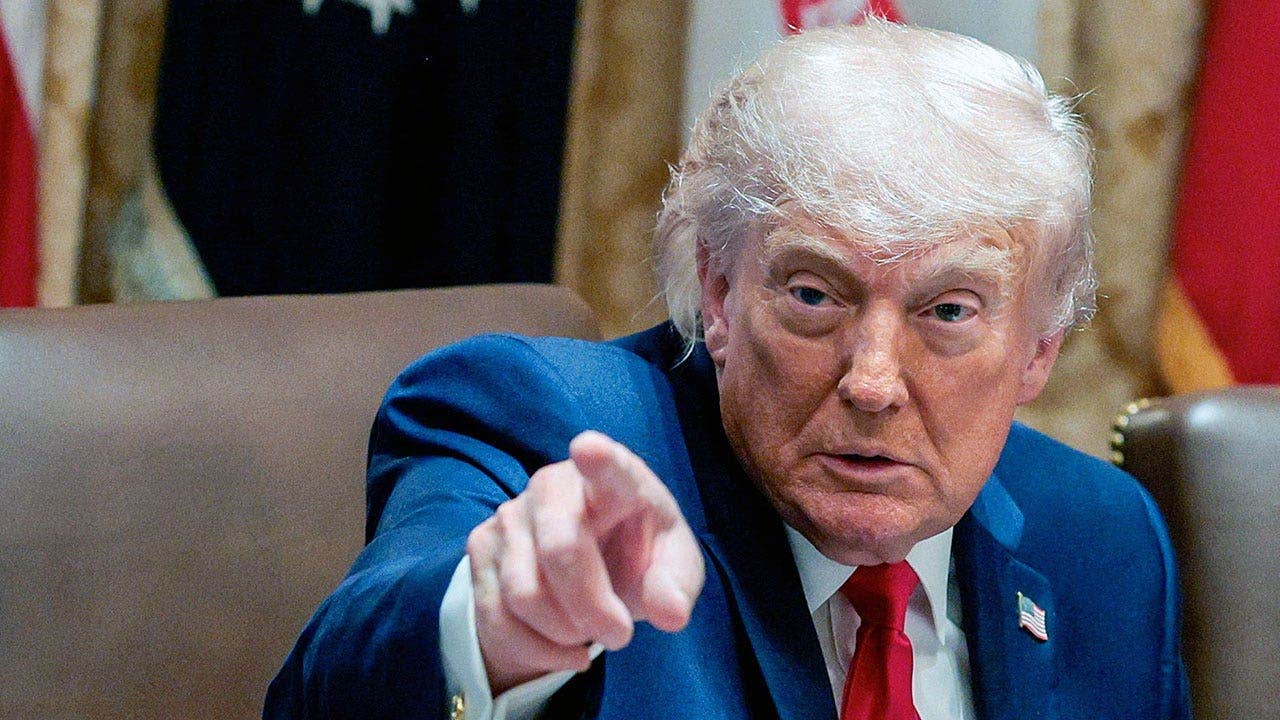
President Donald Trump announced that the U.S. has agreed to a deal with Iran, with a statement to be issued imminently, claiming the agreement would prevent the country from acquiring nuclear weapons and bring peace to the region. Trump also stated that the Strait of Hormuz will be "opening for business very shortly." He warned that if Iran failed to reach a final nuclear accord, he would restart military attacks on Tehran or demand 20% of the region's revenues for acting as the Middle East's guardian.
These diplomatic discussions occur amidst ongoing conflict in the region. An Israeli raid on Beirut's southern suburb killed three people and injured 16 others, according to Lebanon's Health Ministry. Israel's army reported that "several suspected aerial targets" fell in northern Israel near the Lebanese border and stated its recent attacks in Nabatieh targeted Hezbollah infrastructure.
Meanwhile, former US President Barack Obama expressed skepticism about the potential for a new US-Iran deal to significantly improve upon his administration's 2015 nuclear pact, suggesting that a less-than-perfect agreement is preferable to avoiding war. Obama stated that any emerging agreement is unlikely to be "significantly different or a significant improvement" from the 2015 deal, which he noted "worked for a long stretch of time before… the United States pulled out of it." He also remarked that the progress on a new deal serves as a reminder that diplomacy, rather than coercion or military action, is the path to solutions.
US House Democratic leader Hakeem Jeffries criticized President Donald Trump following the announcement of a new agreement with Iran, arguing that the administration had undermined an existing diplomatic framework and left the United States in a weaker position. Jeffries pointed to the 2015 Joint Comprehensive Plan of Action negotiated under former President Barack Obama, stating, "Donald Trump recklessly ripped that agreement up and took us to war. Now gas prices are soaring, Iran is stronger and America is less safe."