Key facts
- President Donald Trump stated he will use new tariff authorities from a sanctions bill if needed to end the Russia-Ukraine war.
- The legislation, named the Lindsey O. Graham Sanctioning Russia and Iran Act of 2026, would allow the president to impose tariffs of up to 100% on major purchasers of Russian energy.
- The bill has advanced toward a House vote after clearing a procedural hurdle in the House Rules Committee.
- Democrats have raised concerns that the tariff provisions grant overly broad authority to the president.
- Representative Michael McCaul urged swift passage, arguing it would provide leverage over Russian President Vladimir Putin.
The US House Rules Committee has advanced legislation imposing tougher sanctions on Russia and Iran, clearing a key procedural hurdle for a possible House vote later this week. The bill, named the Lindsey O. Graham Sanctioning Russia and Iran Act of 2026, has faced opposition from Democrats primarily over provisions that would grant President Donald Trump broad new authority to impose tariffs on countries purchasing Russian energy or aiding Moscow in evading sanctions.
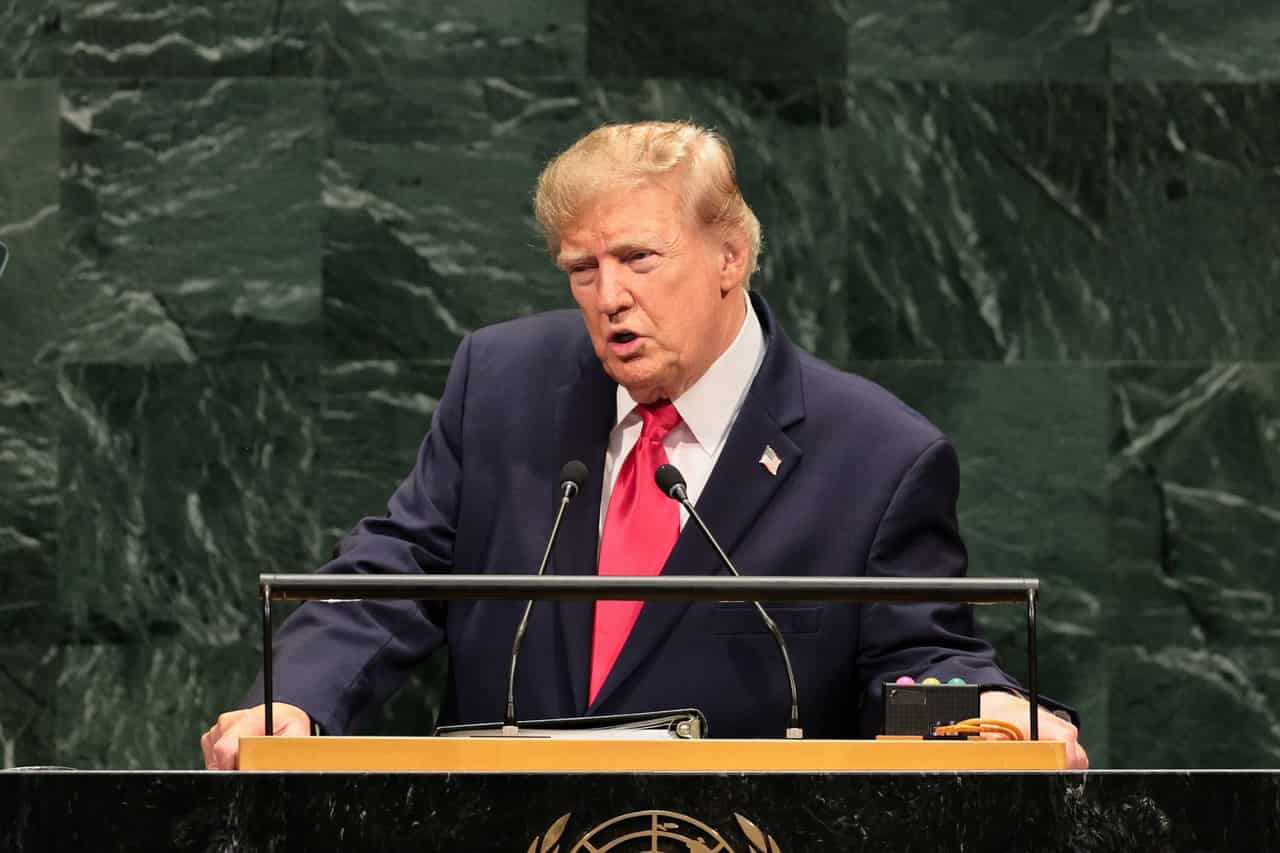
President Trump stated he would use these new tariff powers if necessary to end the Russia-Ukraine war. The legislation, which passed the Senate with overwhelming bipartisan support, would allow the president to impose tariffs of up to 100% on major purchasers of Russian oil and natural gas. Democrats, however, argue that this authority is too broad and could negatively impact American consumers. Representative Gregory Meeks, a leading Democrat, contended that the president already possesses extensive sanctioning authority and that the bill would primarily expand presidential control over tariffs.
Despite Democratic concerns, the House Rules Committee rejected amendments aimed at removing or tightening the secondary tariff provisions. Representative Michael McCaul, a proponent of the bill, urged lawmakers to act swiftly, emphasizing the need for leverage over Russian President Vladimir Putin to encourage negotiations. He also dismissed concerns that the bill's tariff powers would be used indiscriminately against allies, stating the provisions are narrowly defined. The White House supports the legislation, and Trump has expressed a desire for additional tools to pressure Russia.