Key facts
- Bosnia's ethnic groups have united around the perceived benefits of Donald Trump's administration ahead of an election.
- The US has adopted a new policy for the Western Balkans focused on strategic stability, energy security, and competition with Russia and China.
- AAFS Infrastructure and Energy has promised $2.3 billion in investments for Bosnia, including energy infrastructure and airports.
- US sanctions against Bosnian Serb leader Milorad Dodik were lifted last year.
- The US is encouraging Balkan countries to take more responsibility for their own development.
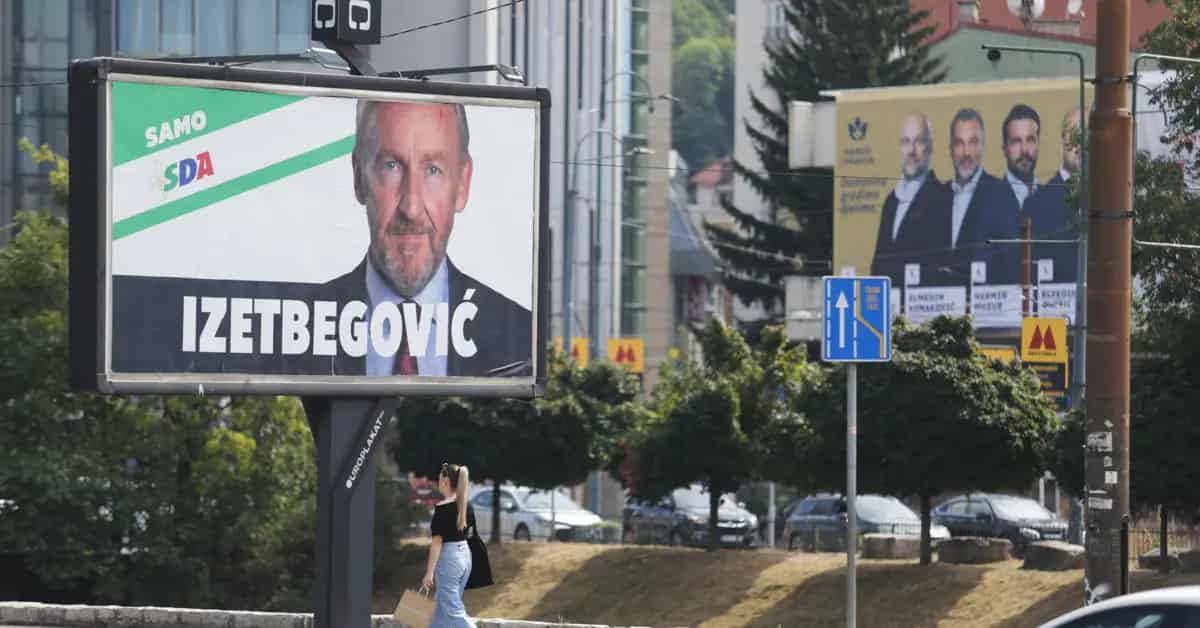
Bosnia and Herzegovina's disparate ethnic groups have found a rare point of unity in the perceived benefits of Donald Trump's administration, particularly as the country heads into an election this weekend. The US policy shift in the Western Balkans, as outlined in a recent report, emphasizes strategic stability, energy security, and geopolitical competition with Russia and China, moving away from a previous focus on nation-building.
This new approach is seen by some as more transactional, encouraging regional countries to take greater responsibility for their own development. A company linked to Trump, AAFS Infrastructure and Energy, run by former Trump attorney Jesse Binnall and Joseph Flynn, has promised $2.3 billion in investments for Bosnia, including energy infrastructure like a natural gas pipeline and power plants, as well as airports. Plans for Mostar alone include a gas power plant and a 100-megawatt data center, estimated to cost €530 million ($607 million).
The shift in US engagement is notable, with the administration stating it is "ready to support where our involvement is wanted." This contrasts with past US approaches that involved more direct intervention. The lifting of US sanctions against Bosnian Serb leader Milorad Dodik last year, in exchange for his stepping down as president, is seen by some in the Serb entity as a sign of less external interference. Dodik, who often advocates for secession, remains influential and met with Trump's oldest son earlier this year.
Bosnia's internal divisions have historically hindered progress on common goals like EU membership, with support for joining the bloc declining. The country faces challenges in meeting reform requirements for EU funding. The US policy also aims to combat organized crime, which has been a persistent issue in the region.