Key facts
- Democratic lawmakers criticized President Donald Trump for ordering a reduction in U.S.-South Korea military exercises.
- Critics argue the move undermines the Seoul-Washington alliance and appeases North Korean leader Kim Jong-un.
- Senators expressed concerns about reduced deterrence against North Korean threats.
- Kim Jong-un's sister, Kim Yo-jong, dismissed Trump's overture regarding the drills.
- An expert stated that the U.S. and South Korea need to address the consequences of reduced exercises for effective engagement with North Korea.
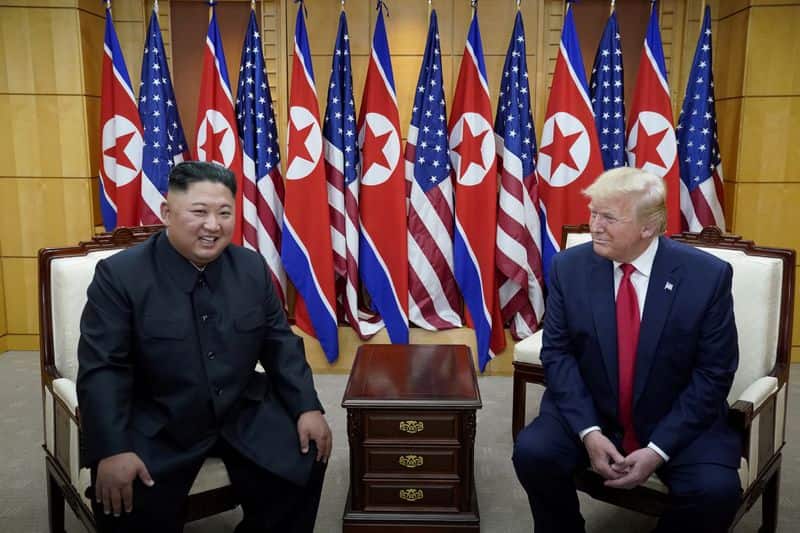
Democratic lawmakers have intensified their criticism of U.S. President Donald Trump's decision to scale back joint military exercises with South Korea, viewing it as a concession to North Korean leader Kim Jong-un without reciprocal benefits.
In social media posts, Senate Democrats voiced concerns that Trump's order to "substantially reduce" the allied drills undermines the Seoul-Washington alliance and weakens deterrence against growing North Korean threats. Senate Minority Leader Chuck Schumer stated that Kim Jong-un no longer respects Trump, citing a report that Kim Yo-jong, the North Korean leader's sister, dismissed the overture as uninteresting. Senator Chris Van Hollen accused Trump of "cozying up to dictators" and compromising U.S. credibility globally.
Senator Tammy Duckworth emphasized the importance of joint exercises for troop readiness and allied security, calling the reduction to appease Kim Jong-un a "grave mistake." Trump had revealed his decision to reduce the drills, citing his "very good" relationship with Kim and expressing frustration with South Korea over its rejection of his request for assistance in the U.S. war against Iran.
Experts, such as Ankit Panda, argue that the U.S. and South Korea must address the fallout from Trump's reduction of exercises to enable productive engagement with North Korea. The move, intended as a conciliatory gesture to Pyongyang, which has long protested the drills as war rehearsals, has raised concerns about its impact on sharpening deterrence.