Key facts
- The U.S. imposed new sanctions on nine Cuban state-owned entities and three individuals.
- The targeted entities include mining, metal, and construction companies.
- The Cuban Institute of Friendship with the Peoples (ICAP) and its leadership are among those sanctioned.
- The U.S. cited alleged malign activities and subversive networks as reasons for the sanctions.
- American citizens returning from Cuba were briefly detained and had electronic devices seized.
- Cuba's Foreign Minister rejected the sanctions, stating they aim to harm the economy and population.
The U.S. administration has escalated its pressure campaign against Cuba by implementing new economic sanctions against nine state-owned entities and three individuals. The Treasury and State departments announced the penalties on Thursday, targeting industries such as mining, metals, and construction, as well as the leadership of the Cuban Institute of Friendship with the Peoples (ICAP).
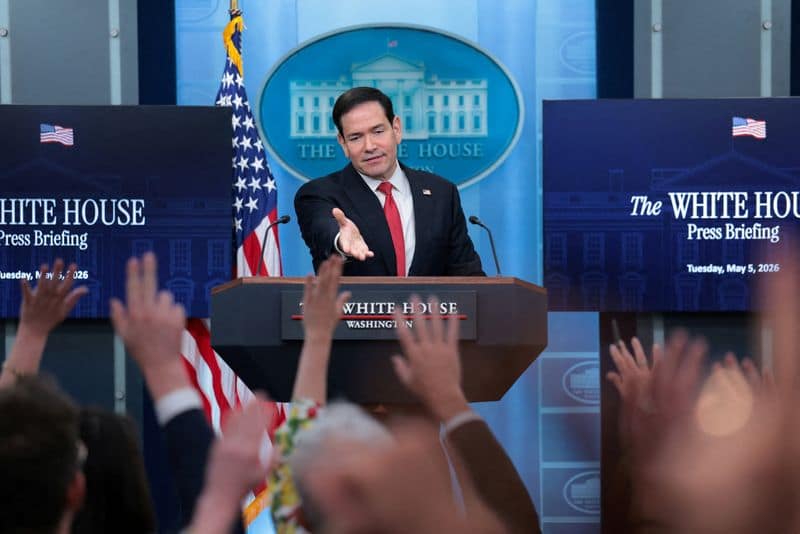
Secretary of State Marco Rubio stated that ICAP is allegedly responsible for a subversive network within the United States aimed at identifying, cultivating, and radicalizing American citizens. He further accused the Cuban regime of attempting to exploit U.S. freedoms by misleading and corrupting Americans to export Marxism and Communist violence.
Cuban Foreign Minister Bruno Rodríguez denounced the sanctions, asserting they are intended to harm Cuba's economy and prevent the provision of essential services to its population. He described ICAP as an institution that has promoted friendship and solidarity for over six decades.
These new measures follow recent incidents at Miami airport where several American citizens returning from Cuba after participating in events marking Fidel Castro's 100th birthday were briefly detained and had their electronic devices seized for inspection. U.S. officials indicated that individuals detained and released could still face prosecution if they are found to have violated U.S. sanctions, which prohibit transactions with Cuban government-owned businesses.
The Trump administration has been steadily increasing sanctions on Cuba, viewing it as a national security threat. A State Department report accused the Cuban government of sponsoring left-wing and anti-American activism in the U.S. for decades. The ongoing U.S. oil blockade, imposed after the U.S. military action in Venezuela, has significantly worsened Cuba's economic crisis, leading to widespread blackouts and impacting public transportation.