Key facts
- President Trump replaced a proposed 20% fee for ships using the Strait of Hormuz with trade and investment deals with Gulf states.
- Trump stated that no one should charge a fee for the Strait of Hormuz.
- The policy shift occurred amid escalating US-Iran conflict and renewed military strikes.
- US forces struck targets across southern Iran and enforced a renewed blockade.
- US Central Command reinstated a naval blockade against maritime traffic entering and exiting Iranian ports.
President Donald Trump has abandoned his proposal to impose a 20% fee on cargo transiting the Strait of Hormuz, opting instead for trade and investment agreements with Persian Gulf states. This policy reversal coincides with escalating military actions between the United States and Iran.
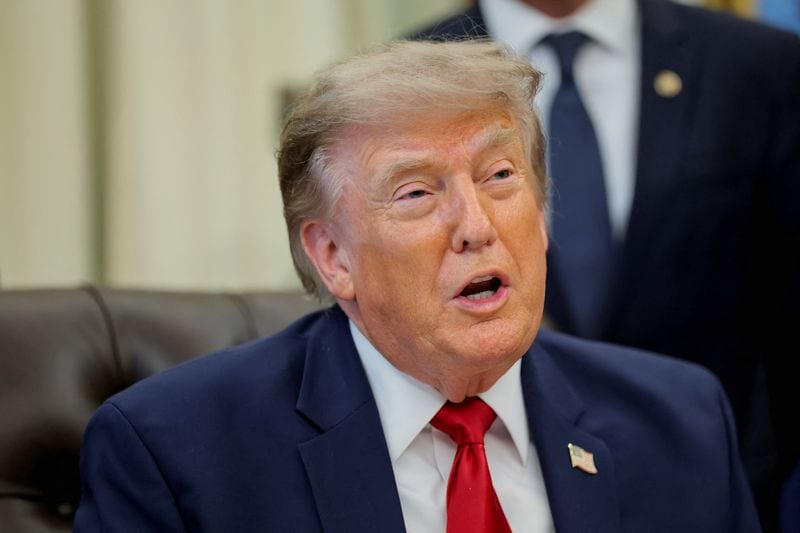
Trump announced the shift via social media, stating that "highly productive conversations with Middle East leadership" led to the decision to replace the "United States Reimbursement Fee" with "Trade and Investment Deals" from Gulf nations, which he described as "MASSIVE."
The change in strategy comes as US forces conducted strikes on targets within Iran and enforced a renewed blockade on Iranian shipping. Explosions were reported in key Iranian cities and islands near the Strait of Hormuz, including Bandar Abbas and Bushehr. Jordan, Bahrain, and the United Arab Emirates reported intercepting missiles and attacks on vessels, resulting in casualties.
US Central Command confirmed the reinstatement of a naval blockade against vessels entering or exiting Iranian ports, effective July 14. The strikes are intended to disable Iran's capacity to disrupt maritime traffic. Despite the heightened conflict, Trump expressed optimism about the possibility of a deal to end the fighting.
Earlier statements from Iranian officials, including the IRGC and Foreign Minister Abbas Araqchi, asserted Iran's role as the "GUARDIAN OF THE HORMUZ STRAIT" and criticized US military intervention. Omani mediators have been involved in discussions with Iran regarding safe navigation through the waterway, with Iran indicating a willingness to consider proposals after internal deliberation.