Key facts
- President Trump will not sign the 21st Century ROAD to Housing Act.
- Trump's refusal is a protest against the Senate's failure to pass the SAVE AMERICA ACT.
- The housing bill is set to automatically become law at midnight Eastern time.
President Donald Trump will not sign the 21st Century ROAD to Housing Act, a bipartisan bill passed by Congress. His refusal is a protest against the Senate's failure to pass the SAVE AMERICA ACT, and the housing bill is set to automatically become law.
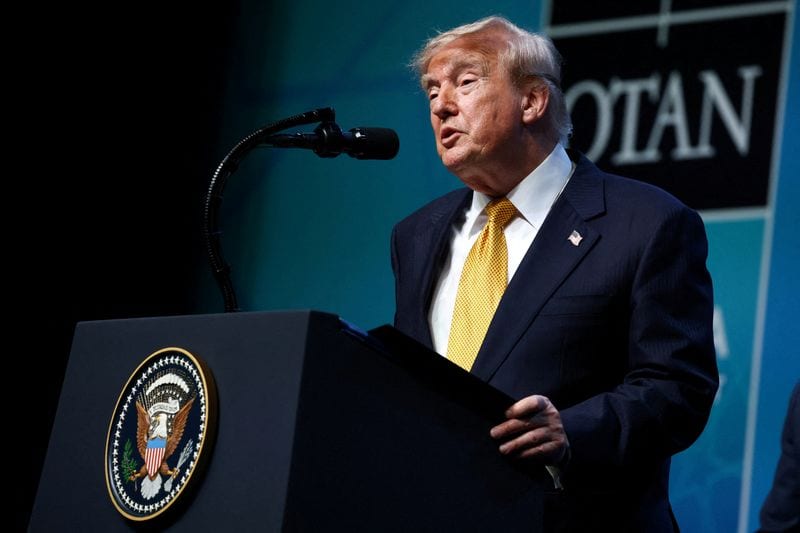
President Trump's refusal to sign the housing bill, despite its bipartisan support and inclusion of a CBDC ban, highlights political divisions and priorities ahead of the upcoming elections. The bill's automatic enactment without his signature underscores the legislative process and the potential impact of political posturing on policy.
President Donald Trump confirmed he will not sign the 21st Century ROAD to Housing Act, a bipartisan bill passed by Congress. His decision is a protest against the Senate's failure to pass the SAVE AMERICA ACT, which aims to strengthen voter identification and registration requirements. The housing bill is expected to automatically become law at midnight Eastern time if Trump does not veto it.
Trump stated on social media that he would not sign the housing bill "in PROTEST over the fact that the United States Senate is not capable of passing THE SAVE AMERICA ACT." He had previously delayed a signing ceremony for the housing bill.
The 21st Century ROAD to Housing Act includes provisions that ban institutional investors owning 350 or more single-family homes from purchasing additional properties. The legislation also aims to streamline housing development by cutting red tape, such as exempting certain small-scale developments from environmental reviews and removing the permanent chassis requirement from manufactured homes. Key mortgage and financing provisions include a Federal Housing Administration (FHA) loan pilot program for small-dollar mortgages below $100,000, a study on loan originator compensation rules, and increased FHA multifamily statutory loan limits. The bill also seeks to bolster the appraiser workforce through expanded training programs.
Housing industry stakeholders have largely backed the legislation.
Pick the topics you care about. Get only what matters, on your cadence.