Key facts
- White House officials denied speculation that President Trump received Eli Lilly's experimental obesity drug, retatrutide.
- The drug is not yet FDA-approved but was accessed via the FDA's compassionate use program.
White House officials denied speculation that President Trump received Eli Lilly's experimental obesity drug, retatrutide, through the FDA's compassionate use program. The drug is not yet FDA-approved.
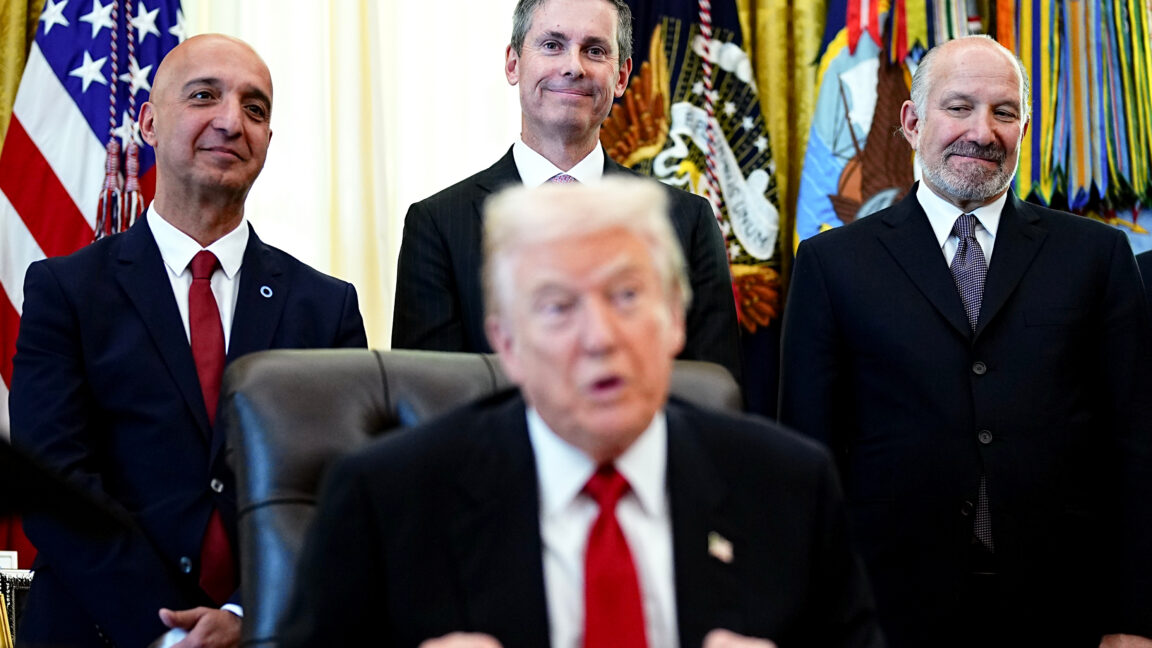
The denial addresses public speculation about the President's health and access to experimental treatments, highlighting the scrutiny of the FDA's compassionate use program and the transparency surrounding access to unapproved drugs.
White House officials on Tuesday denied a report speculating that President Trump gained access to Eli Lilly's experimental obesity drug, retatrutide, through the FDA's compassionate use program. The drug is not yet FDA-approved.
STAT News reported that a single 79-year-old patient received access to the drug, leading to speculation that it could be President Trump, who recently turned 80. The request for retatrutide was reportedly made by Ranganath Muniyappa, a senior clinician at the National Institutes of Health, on behalf of a patient diagnosed with refractory obesity, obstructive sleep apnea, and pulmonary hypertension.
White House senior deputy press secretary Kush Desai criticized the speculation as baseless gossip and urged reporters to maintain standards. White House Communications Director Steven Cheung also denounced the report, calling it "thirsty for clicks and peddling falsehoods."
President Trump's physical from last year listed his weight at 224 pounds, and he previously told The New York Times that he "probably" should be on weight loss drugs.
Pick the topics you care about. Get only what matters, on your cadence.